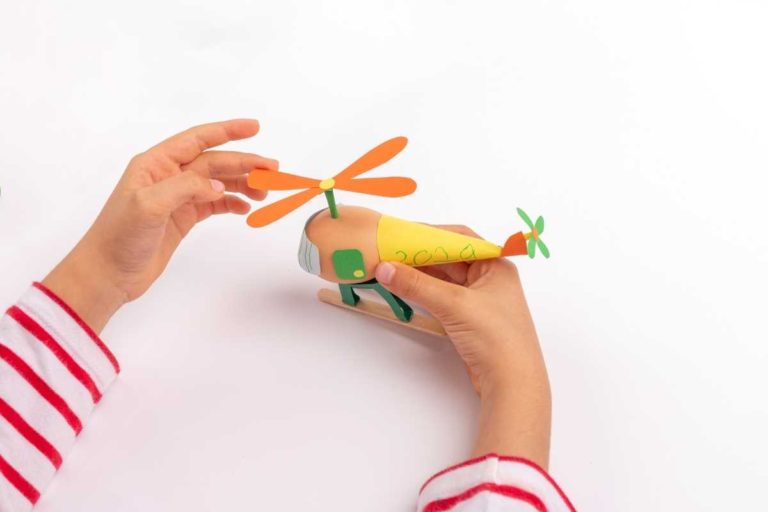
7 Kids Art Corner Ideas at Home
Transforming Your Space into a Creative Sanctuary for Little Artists
Creating a dedicated space for creativity can truly change the way your children engage with their imagination every single day.
You do not need a massive playroom to foster a sense of wonder and artistic exploration within your own four walls.
By setting up a thoughtful station, you provide your little ones with a sense of ownership over their many colorful projects.
Whether you are working with a tiny corner or a large spare room, these 7 Kids Art Corner Ideas at Home will inspire you.
We want to focus on making art accessible, organized, and, most importantly, a place where making a mess is perfectly acceptable.
Let us explore how to build an environment that encourages deep focus and endless joy for your growing family of creators.
Designing for Artistic Flow and Emotional Well-being
When we think about art spaces, we often focus on the supplies, but the environment itself plays a vital role in development.
A well-organized corner reduces the frustration of looking for tools and allows the creative process to start the moment inspiration strikes.
Natural lighting and comfortable seating are essential components that help children stay engaged with their work for much longer periods of time.
By choosing a specific area for art, you are signaling to your child that their hobbies and interests are highly valued.
This psychological boost encourages them to experiment with new textures and colors without the fear of ruining the “grown-up” furniture nearby.
The Hidden Science of Color Selection in Play Areas
The colors you choose for the walls and storage bins in an art station can significantly influence a child’s creative energy level.
Soft blues and greens tend to promote a sense of calm and focus during detailed tasks like drawing or intricate beadwork.
In contrast, vibrant pops of yellow or orange can stimulate the brain and encourage high-energy activities like finger painting or building models.
You might consider using neutral backgrounds for the furniture to let the actual artwork provide the primary visual interest in the room.
Balanced environments help children transition between different types of creative play without feeling overwhelmed by too much visual noise or clutter.
1. The Mobile Creativity Cart Station
A rolling utility cart is perhaps the most versatile tool you can find for organizing 7 Kids Art Corner Ideas at Home.
These tiered carts allow you to group supplies by type, such as placing paper on the bottom and markers on the top.
Your child can easily wheel their entire studio from the bedroom to the kitchen table whenever they feel like starting a masterpiece.
This mobility ensures that the art corner does not have to be a permanent fixture if you are living in a smaller space.
When the crafting session is over, you simply tuck the cart into a closet or behind a door to keep the room tidy.
It is a fantastic way to teach kids about responsibility because they can easily help wheel their supplies back to their home base.
2. The Vertical Magnetic Masterpiece Wall
Utilizing wall space is a brilliant strategy for keeping floors clear while providing a massive canvas for your children to enjoy.
You can install large magnetic whiteboards or use magnetic paint to turn an entire section of a wall into an interactive zone.
This setup allows kids to move magnets around, hang their latest drawings, or even use dry-erase markers to sketch directly on the surface.
Vertical art helps develop different muscle groups in the arms and shoulders compared to sitting and drawing at a standard wooden desk.
It also serves as an ever-changing gallery where your children can proudly display their work for the entire family to see and admire.
By keeping the supplies in baskets attached to the wall, you ensure that everything stays within reach but off the ground.
3. The Repurposed Closet Nook Retreat
If you have a spare closet or a large wardrobe, you can transform it into a secret “narnia” for your little artists.
Removing the doors or keeping them open creates a cozy alcove that feels like a private studio just for your child to use.
You can install a floating shelf to serve as a desk and add battery-operated puck lights to brighten up the interior space.
This setup is perfect for older children who enjoy quiet time and want to focus on more detailed or long-term projects.
It keeps all the glitter, glue, and scraps contained within a specific boundary, making the post-art cleanup much faster for everyone involved.
Adding a small rug and a comfortable stool makes this tiny nook feel like a professional and high-end creative workspace for kids.
4. The Nature-Inspired Outdoor Art Porch
Sometimes the best place for a messy art session is actually outside where the fresh air and natural light are completely free.
You can set up a sturdy weather-proof table on your porch or balcony to act as a primary base for messy painting.
Using natural materials like pinecones, leaves, and stones as art supplies encourages children to connect deeply with the world around them.
Since the floor is likely concrete or wood, you do not have to worry as much about paint spills or stray chalk marks.
This outdoor environment provides a sensory experience that is very different from the controlled atmosphere of an indoor playroom or bedroom.
It is an ideal spot for watercolor painting because the natural sunlight helps the colors dry quickly and appear more vibrant on paper.
5. The Multi-Sensory Textures Table
A low-profile table with built-in bins is perfect for kids who love to explore art through touch and various tactile sensations.
You can fill these bins with kinetic sand, playdough, or even dried beans to create a base for three-dimensional artistic play sessions.
Providing various sculpting tools and molds helps children develop their fine motor skills while they are having fun creating unique shapes.
This type of art corner focuses on the process of creation rather than just the final product displayed on the fridge door.
When the child is finished, you can simply put the lids on the bins to keep the materials fresh for next time.
It is a wonderful way to introduce concepts of geometry and physics through the hands-on building of towers and various textured landscapes.
6. The Chalkboard Paint Feature Wall
Painting a section of a wall with high-quality chalkboard paint turns a boring surface into a giant, reusable sketchbook for everyone.
Kids love the freedom of drawing on the walls without getting into trouble, which makes this a very popular home addition.
You can provide a bucket of colorful dustless chalk and a damp cloth so they can wipe the slate clean whenever they want.
This encourages large-scale movements and collaborative drawing if you have multiple children who like to work together on one big scene.
It also serves as a great place for practicing letters or numbers in a way that feels more like play than schoolwork.
The dark background of the chalkboard paint makes neon chalk colors pop beautifully, creating a stunning visual impact in any room.
7. The Minimalist Window Glass Gallery
Using specialized window markers allows your children to turn your glass sliding doors or windows into a temporary stained-glass museum.
The sunlight shining through the drawings creates beautiful patterns on the floor, adding an extra layer of magic to the art experience.
This idea requires almost no extra furniture and is perfect for families who prefer a clean and minimalist aesthetic in their home.
Cleaning the glass is a simple task with basic window cleaner, which means the canvas is always ready for a new design.
It is particularly fun during holidays when kids can draw festive scenes that are visible to neighbors passing by on the sidewalk.
This approach teaches children about transparency and how light interacts with different colors to create various moods and atmospheres in a room.
Managing the Mess Without Losing Your Mind
One of the biggest hurdles to frequent art time is the fear of a permanent mess lingering in your beautiful living space.
You can easily mitigate this by keeping a “cleanup kit” nearby that includes baby wipes, a small hand vacuum, and some rags.
Establishing a simple rule where “one project must be put away before the next begins” helps maintain order throughout the busy day.
Using washable markers and paints is a non-negotiable strategy that ensures your walls and clothes remain safe from permanent artistic stains.
Involving your children in the cleanup process teaches them to respect their tools and value the space they have been given.
A tidy art corner is much more inviting for the next creative session than a cluttered pile of dried-up markers and scraps.
Curating a Rotating Art Gallery at Home
Instead of cluttering the refrigerator, consider creating a dedicated “Gallery Wall” using simple wooden clips or interchangeable frames for the kids.
Rotating the artwork every week keeps the display fresh and ensures that every new masterpiece gets its well-deserved moment in the spotlight.
You can take photos of the pieces you plan to recycle so you have a digital archive of their creative growth.
This practice shows your children that you value their effort and time, which builds their confidence and self-esteem as young artists.
Encouraging them to choose their favorite piece of the week helps them develop a critical eye for their own artistic progress.
A curated gallery turns their art corner into a professional-looking space that enhances the overall decor of your home environment.
Closing Notes
Creating a special place for art is one of the greatest gifts you can provide for a child’s developmental journey at home.
Each of these 7 Kids Art Corner Ideas at Home offers a unique way to integrate creativity into your daily family life.
You do not need to spend a fortune to make these ideas work; often, the best solutions come from repurposing items you already own.
The most important element is the encouragement you provide and the freedom you give them to explore their own unique visions.
As your children grow, their art corner will evolve with them, reflecting their changing interests and their expanding world of imagination.
Happy crafting to you and your little ones as you begin this exciting journey of building a creative home sanctuary together.