Screen Free vs Screen Time Kids Activities
You’ll hear “screen time” and think it’s the doom or the dream. Spoiler: it’s a spectrum, not a verdict. Let’s cut through the noise and get real about screen-free versus screen-time kid activities. You want options that actually work, not guilt trips or buzzword bingo. FYI, the goal isn’t perfection—it’s balance that sticks.
Why the Debate Feels Personal (and totally valid)
Kids are wired for curiosity, and screens pull at that curiosity like a shiny magnet. On one hand, screens can teach, entertain, and connect. On the other, too much can cramp imagination, sleep, and family moments. So where’s the sweet spot? It’s less about banning devices and more about intentionally choosing activities that compete for your child’s attention in meaningful ways.
What Screen-Free Means in Real Life

Screen-free isn’t a secret club you join once and forget about. It’s a set of daytime habits that reduce passive consumption and boost active play.
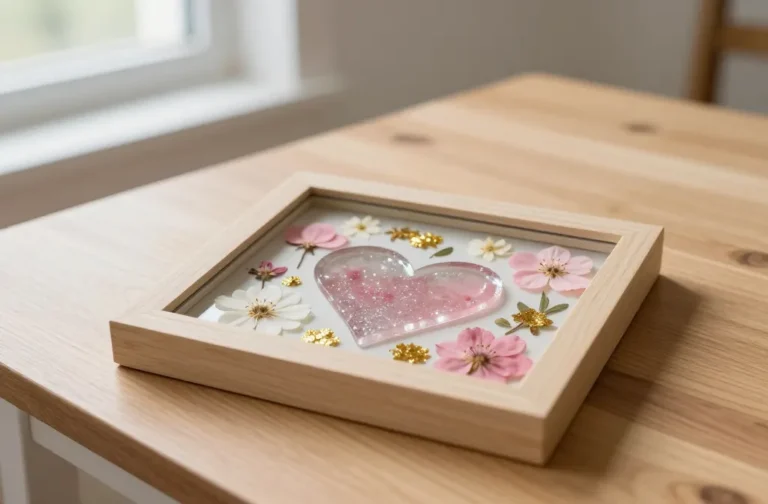
- Creative play time: drawing, building forts, or DIY crafts that require hands and imagination.
- Outdoor adventures: nature scavenger hunts, bike rides, or simple park days.
- Hands-on learning: puzzles, science experiments with household items, or cooking.
- Social rituals: board game nights, storytelling circles, or family trivia.
Why it matters
When kids aren’t staring at a screen, they often stumble into ideas they wouldn’t have found otherwise. They practice patience, problem-solving, and cooperation without someone else’s algorithm dictating the pace.
What Screen Time Can Do (With a Purpose)
Screen time isn’t the enemy. It can be a doorway to creativity, collaboration, and learning—if you steer it well.
- Educational apps and videos: short, focused sessions with clear goals.
- Co-viewing moments: parents and kids learning together, which strengthens trust and vocabulary.
- Creative outlets: digital art, music making, or coding mini-projects.
- Time-bound fun: set a checklist like “watch one science video, then build a model.”
Smart boundaries worth trying
– Use a timer and end on a note your kid can immediately transition from (often a curiosity cliff, not a crash).
– Create a shared family tech menu with approved apps and sites.
– Schedule regular “tech-free zones” during meals and playtime.
Practical Ways to Mix It Up

Mixing screen-free and screen-time activities keeps weekdays lively and weekends even more interesting.
- Swap one screen-based activity for a hands-on alternative once a day.
- Turn chores into quick games—think timed clean-up races or scavenger hunt-style tasks.
- Plan a weekly family project: build a cardboard castle, grow a mini garden, or bake something new.
- Have a “no screens earlier than 9 a.m.” rule and see what fills the time—usually something surprising and delightful.
Deep dive: model the behavior
Kids copy what they see. If you’re glued to your phone at dinner, you’re teaching prioritization by device. Show them how to take breaks, set boundaries, and pick up a book or a guitar in the same breath you pick up your own phone.
Turning the Dilemma into a Routine
Routines help families survive the chaos that comes with kids and devices.
- Morning ritual: two minutes of stretching or a quick puzzle before screens.
- Afternoon reset: 20 minutes of independent play, then a check-in chat about the day.
- Evening wind-down: screen-free 30 minutes before bed to boost sleep quality.
Sample daily rhythm
– 7:00 Wake up, puddle-jump out of bed, a small breakfast victory.
– 8:00 Quick screen-free puzzle or drawing before school.
– 16:00 Snack and a 20-minute outdoor breather.
– 18:30 Dinner with everyone sharing one good moment from the day.
– 20:00 Book time or quiet play, then lights out.
When to Reassess and How to Adjust

Kids change fast. What works this week might need tweaking next month.
- Track how many hours of screen time feel productive versus draining. Adjust accordingly.
- Notice sleep, mood, and attention shifts. If screens creep too late, tighten the schedule.
- Ask kids what they enjoyed about a screen-free day or a screen-based activity. Let their feedback guide tweaks.
If you’re hitting steady roadblocks
– Try a family challenge: a week of screen-free dinners with a new board game each night.
– Swap one passive screen activity for a hands-on alternative and celebrate small wins.
– Consider a “tech-free weekend” to reset expectations and prove what life looks like unplugged.
Conclusion
Screen-free and screen-time activities aren’t opposing forces on a chalkboard; they’re two gears that, when meshed, keep kids curious and families connected. The trick is less about policing devices and more about designing moments that matter: moments that spark curiosity, collaboration, and stories you’ll tell for years. So, start small, watch what happens, and adjust like a good DJ—fade in the good stuff, fade out the rest, and keep the vibes light.
FAQ
How do I start without drama or a power struggle?
Set a simple rule and model it. “We’ll do 20 minutes of screen-free play after school.” Then join in. When you’re present, kids feel safer trying new activities without fear of losing screen time forever.
What about my kids who prefer screens for learning?
Use screen time as a tool, not a babysitter. Co-view or co-create: watch a science video together and then replicate a small experiment. Turn passive viewing into active doing.
How can I keep screens from taking over the day?
Build a clear routine with specific windows for screens and for non-screen activities. Keep screens out of bedrooms and meals, and have a “tech menu” so kids know what’s allowed and what isn’t.
Is it okay to carve out screen time for family bonding?
Absolutely. Shared experiences—multi-player games, collaborative art apps, or family movie nights—can build connection while still feeling intentional, not mindless.
What if my child pushes back hard against limits?
Explore their why: ask what they want to do with the time, offer appealing alternatives, and give them a voice in the boundary setup. When kids feel heard, rules feel less like punishment and more like teamwork.