Montessori vs Traditional Kids Activities
From the jump, Montessori and traditional kids activities are not a battle of good vs. evil. They’re different paths that can lead to the same destination: a kid who loves learning. Montessori leans into choice, autonomy, and real-life skills. Traditional activities often lean into structure, repetition, and coachable milestones. Both have their charms, their pitfalls, and their fans. So, how do you decide what fits your kid, your vibe, and your sanity? Let’s break it down without the drama.
What makes Montessori tick—and why it feels different
Montessori isn’t just about pretty wooden toys. It’s a full mindset about learning as a natural, self-directed affair. Kids choose activities that spark their curiosity and work at their own pace. Teachers play the role of guide, not drill sergeant. The environment is carefully arranged to invite exploration, order, and independence.
– Child-led choosing: From blocks to practical life tasks, kids decide what to work on.
– Hands-on learning: Concrete materials replace abstract instructions for as long as needed.
– Freedom within limits: Choices exist, but there are boundaries to keep things respectful and focused.
– Real-world ties: Activities mirror life—pouring water, sorting objects, buttoning clothes.
Why it can feel magical: kids feel autonomous, respected, and unhurried. Why it can feel tricky: you’ll need to curate a calm, organized space and accept that not every day will be a rocket ship of progress.
What traditional activities bring to the table
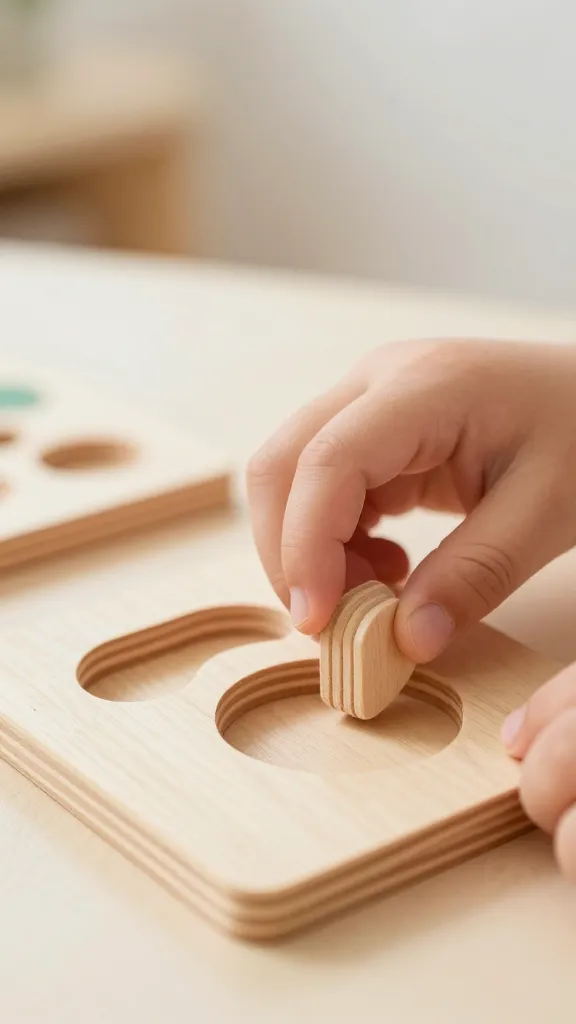
Traditional activities usually pride themselves on structure, standard milestones, and teacher-led lessons. Expect a more teacher-centered approach, with clear steps and benchmarks. There’s comfort in predictability: a routine that says, “Today we do math, then reading, then science.”
– Clear progression: Skills build in a linear, trackable way.
– Group learning: Students often work together, which builds social norms and collaboration.
– Time-tested tools: Flashcards, worksheets, timed drills, and guided practice.
– Routine and pacing: Schedules that help kids know what comes next.
The upside? It’s fast to scale, easy to assess, and familiar to many families. The downside? It can feel rigid to kids who crave choice, and it may lean into performance pressure if not balanced with play and autonomy.
Choosing between autonomy and structure: a side-by-side glance
If you’re torn, here’s a quick way to map it out.
– Focus on independence: Do you want your child making choices, setting goals, and managing materials? Montessori leans that way.
– Need for routine: Do you crave predictable, teacher-led sequences with clear milestones? Traditional fits.
– Social dynamics: Montessori often emphasizes mixed-age groups and peer learning; traditional tends to lean into age-based cohorts with direct instruction.
– Assessment style: Montessori measures progress through observation and portfolios; traditional uses tests and benchmarks.
Short answer: you don’t have to pick one. The best mix often lives in the same classroom or home by blending structure with choice, and short bursts of guided instruction with long blocks of self-directed activity.
Ways to mix and match in real life
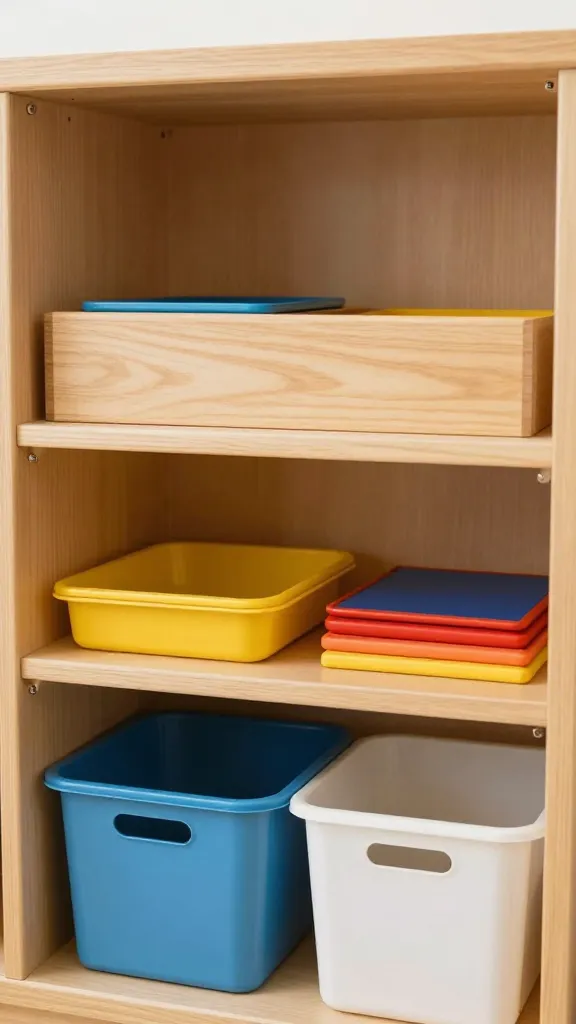
Try these practical hybrids that keep the best of both worlds.
- Structured choice time: Give kids a curated menu of 4-6 activities to pick from, with clear time limits. They choose, but you keep the pace.
- Guided discovery with a finish line: Start a project with a short teacher-led intro, then let kids explore, and close with a quick reflection or presentation.
- Mini lessons followed by free play: A 15-minute explicit instruction block, then 30 minutes of self-directed work.
- Practical life as a bridge: Montessori-style real-life tasks (pouring, sorting, dressing) woven into a traditional rhythm—math warmups, language stations, phonics games.
- Portfolio-based progress: Track learning through photos, samples, or short notes instead of only tests. FYI, this feels awesome for self-esteem.
When to pick Montessori-style environments
Consider Montessori if:
– Your child thrives when they lead their own pace and choose tasks.
– You value an organized space that minimizes clutter and maximizes intentionality.
– You want a longer attention arc on projects, with hands-on materials doing the heavy lifting.
– You’re aiming for practical life skills that transfer to daily living.
Hint: Montessori shines when you’re patient with “slow starts” and celebrate the small, meaningful wins along the way.
Common myths—and the realities
– Myth: Montessori means no grading. Reality: assessment happens through observation and portfolios, not heavy testing.
– Myth: It’s all about free play. Reality: there’s structure and sequence; play is purposeful, not random.
– Myth: You must live in a Montessori school to get the vibe. Reality: you can recreate the same ideas at home with setup, routines, and chosen activities.
When traditional methods feel right

Choose traditional when you want:
– A clear ladder of skills with visible milestones.
– Strong emphasis on literacy and numeracy foundations that are easy to measure.
– A straightforward day plan that’s easy to manage for busy families or schools.
– A social environment where kids learn through teacher-guided discussion and structured practice.
The trick is to keep the human element: even in a traditional setup, sprinkle choice, collaboration, and real-life relevance to keep kids engaged.
Practical tips to keep it human
– Mix “teacher-led” with “student-led” blocks every day.
– Use short, punchy instructions and check-ins to avoid overwhelm.
– Celebrate effort as much as achievement; avoid a sole focus on grades.
– Keep materials accessible and labeled—organization reduces friction and builds independence.
What to look for in a classroom or activity set-up
If you’re scouting a program or organizing at home, here are red flags and green flags.
– Green flags: accessible materials, clear routines, opportunities for choice, positive teacher feedback, and a calm environment.
– Red flags: constant shouting, chaotic clutter, one-size-fits-all tasks, and glossed-over safety or inclusivity concerns.
Small setup wins:
– Low shelves with easy-to-grab activities
– A dedicated work mat or desk space
– Rotating materials to sustain curiosity
– Quiet corners for focus or reflection
Conclusion
Montessori and traditional kids activities aren’t rivals; they’re different flavors of the same dessert. If you want autonomy, hands-on learning, and a space that grows with a child, Montessori vibes fit. If you crave structure, measurable progress, and a straightforward route to core skills, traditional methods shine. Your job as a curious grown-up is to mix, match, and tailor the experience to your kid’s temperament, your family rhythm, and your sanity level. FYI, the right blend often turns even the most reluctant learner into a curious explorer.
FAQ
Is Montessori better for every child?
Not necessarily. Some kids thrive with autonomy and open-ended exploration, while others flourish with clear steps and guided instruction. The best approach fits your child’s personality and needs—and sometimes a smart blend works best.
Can I do Montessori at home without expensive materials?
Absolutely. You can leverage everyday objects, simple practical life tasks, and kid-sized stations. The key is intention: calm, organized spaces, and choices that align with real-life skills.
How do I assess progress in a mixed approach?
Use a mix of portfolios, short observations, and practical demonstrations. Short check-ins help you see growth without relying solely on tests.
What if my child resists structure or autonomy?
Meet them where they are. Offer a small amount of choice within clear boundaries, and schedule micro-lessons to build trust. Patience and humor go a long way here.
Are group learning experiences worth it in Montessori?
Yes, but they look different. Mixed-age group work, peer tutoring, and collaborative projects can happen within Montessori norms. The key is guided interaction that still honors individual pace.