Bought vs DIY Kids Activities
The minute a kid spots a toy, the debate begins: bought vs DIY activities. Both can spark joy, but which actually fuels creativity, learning, and patience? If you’ve ever stood in the craft aisle torn between a ready-made kit and a box of glue, you’re not alone. FYI, there’s no perfect answer—just options that fit you, your kid, and your schedule. Let’s break it down without the drama and with a little humor.
Why the whole bought vs DIY debate even matters
You want activities that grab attention, teach something, and keep you from pulling your hair out. Bought activities come pre-packaged for easy access and consistency. DIY activities lean into improvisation, personalization, and a bit of chaos that kids secretly crave. The real question: what do you value most right now—structure or spontaneity, time or budget, short-term fun or long-term skills? IMO, you don’t have to pick one lane. You can mix and match like a playlist that actually works.
Time, money, and the three-party trade-off
– Time: Ready-to-go kits win when you’re sprinting between meals, naps, and soccer practice. They minimize setup and decision fatigue.
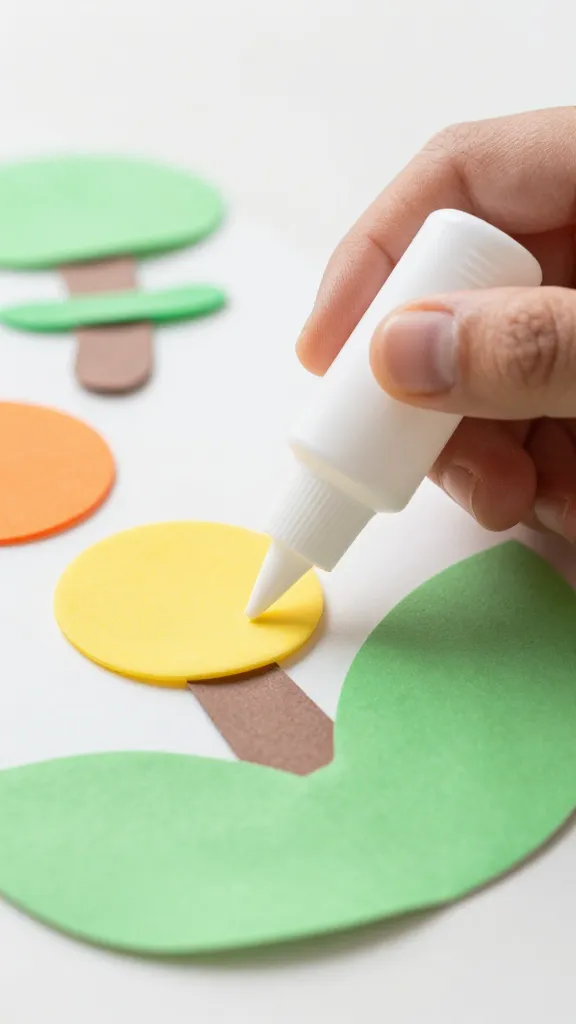
– Money: DIY can be cheaper, but not always—good craft supplies add up, and you might buy many small items that accumulate fast.
– Energy: DIY often demands your creative energy. Are you willing to lead, or do you need a passenger activity that’s hands-off?
Five quick reasons to buy something instead of DIY
- Consistency—the activity comes with clear steps and outcomes, great for toddlers who want predictability.
- Quality and safety—premade kits often come with tested materials and safety guidelines, saving you the worry cycle.
- Time-saver—you bypass shopping, planning, and sourcing. One package, one plan.
- Peer appeal—kids love “the kit” vibes; sometimes a little hype helps get them excited.
- Portability—great for travel, waiting rooms, or Auntie’s house with zero prep.
Five compelling reasons to DIY

- Personalization—you tailor activities to your child’s interests, moods, and attention span.
- Creativity boost—open-ended materials spark experimentation rather than ticking boxes.
- Skill-building—planning, measuring, problem-solving, and collaboration happen in real time.
- Budget pie tricks— reuse leftovers, repurpose containers, and skip the flashy packaging.
- Memory-making— mess, magic, and inside jokes. DIY often creates the stories you’ll retell at family gatherings.
Where a hybrid approach shines
Sometimes the best strategy is not “all bought” or “all DIY” but a blend. Hybrid means you buy a core activity that you know works, then customize with DIY add-ons. For instance, a wooden train set can be paired with DIY color ramps, or a science kit can be augmented with household materials for extra experiments. This approach gives you structure plus exploration, and it minimizes the “what now?” moment after the kit’s instructions are done.
How to mix it without chaos
– Start with a baseline kit or activity you trust.
– Add one DIY twist per week, not per day.
– Keep a simple supplies box: markers, tape, recycling bits, glue, and a few odds-and-ends.
– Document the results with photos or a quick kid-friendly journal. It’s amazing to see progress over time.
What kids actually learn from each path
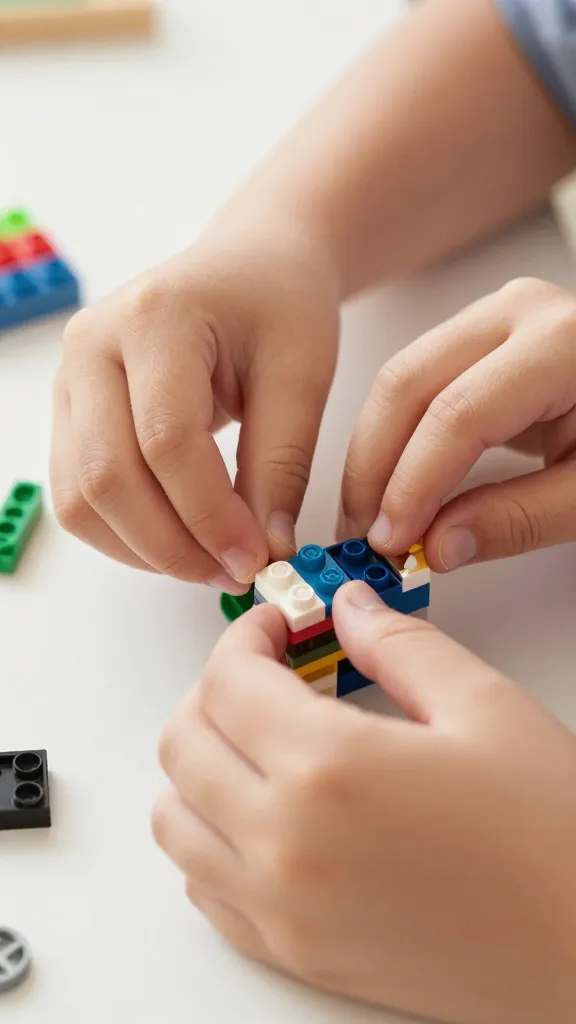
– Bought activities: often excellent for fine motor practice, following directions, and completing a project by a deadline. They also help kids who crave clear goals and immediate feedback.
– DIY activities: shine at problem-solving, adaptability, and resilience. If something doesn’t work, kids pivot, reframe, and try again. It’s messy, but the learning sticks.
When to drop the expectations
– If your kid hates following orders, DIY might be the better route to let them experiment without pressure.
– If your child needs a quick win to boost confidence, a simple bought activity with clear outcomes can deliver.
Safety, mess, and the art of letting go
Mess happens. It’s not a disaster; it’s a sign that learning is happening. Keeping safety front and center is smart, not stifling. With bought kits, you often get safety standards baked in. With DIY, you’re in charge: you choose non-toxic materials, supervise hot glue, and establish cleanup routines that feel manageable.
A few practical tips:
– Set a timer and a cleanup station. It helps kids know the end is in sight and makes the mess feel controllable.
– Use a “one-in, one-out” rule for supplies to prevent the craft closet from exploding.
– Have a designated project bin with a few go-to materials for instant start-ups.
Personal favorite mix-and-match playbooks
– The Quick Starter: one bought activity that’s easy to wrap up, plus one DIY twist to customize (pick a color theme, add stickers, or adapt the challenge level).
– The Science Saturday: buy a simple science kit monthly, then expand with household materials for extra experiments and “what if” questions.
– The Creative Friday: DIY projects that reuse scraps and household items, paired with a ready-made template or pattern to guide the first few attempts.
Conclusion
Bought or DIY, the right choice is the one that keeps your kid engaged, curious, and learning without turning every afternoon into a drama. Mix, match, and adjust as your child grows. FYI, you don’t have to be perfect—just present options, cheer the wins, and skip the guilt when a project goes sideways. The goal is joyful, repeated experimentation, not flawless masterpieces.
FAQ
1. Is one method really better for early learners?
Both have strengths. Bought activities provide structure and easy success, which can boost confidence. DIY encourages curiosity and problem-solving. A balanced approach often works best—start with a simple bought activity, then add a DIY twist.
2. How much should I budget for these activities?
Depends on your pace and preferences. A monthly kit can be cost-effective if it replaces multiple spur-of-the-moment purchases. DIY tends to be cheaper upfront but can add up with specialty supplies. Track your actual spend for a month and adjust.
3. How do I keep kids engaged with DIY projects?
Offer a clear goal, give them ownership, and keep the mess manageable. Rotate materials, set time limits, and celebrate small wins. A little competition (in a friendly way) can also boost motivation—think “who can build the tallest tower before lunch?”
4. What about safety concerns with DIY projects?
Always assess materials and adult supervision needs. Choose non-toxic supplies, avoid hot tools for younger kids, and set up a dedicated workspace. When in doubt, opt for a ready-made kit with built-in safety guidelines.
5. Can I save time and still keep things exciting?
Yes. Build a rotating schedule: one bought activity one week, one DIY the next. Keep a wishlist of kits and materials, so you’re never scrambling. A little planning goes a long way toward keeping afternoons from spiraling into “What now?” moments.
6. How do I involve siblings with different ages?
Choose activities with adjustable difficulty or offer parallel tasks. For younger kids, simplify; for older kids, add challenges or add-on materials. The key is shared space, not the same exact project for everyone.