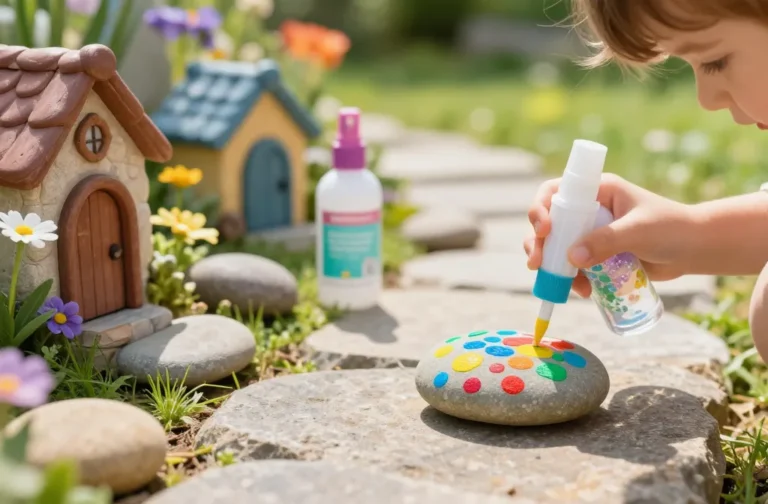
Indoor vs Outdoor Kids Activities
Indoor vs Outdoor Kids Activities: a friendly showdown you won’t want to miss
There’s a whole world of play waiting, and it isn’t all chaos or quiet. Some days cry out for sunshine and dirt under nails, others beg for blankets, cushions, and a fortress of imagination indoors. The trick is balancing both without turning your living room into a disaster zone or missing out on fresh air and motion. Let’s break down the real benefits, myths, and hacks so you can pick the right activity for the moment—without the guilt or drama. Ready for the ultimate kid-friendly cheat sheet? Let’s dive in.
What each setting actually brings to the table
Indoor activities bring coziness, focus, and control. Outdoor activities bring space, risk, and big sensory inputs. Simple, right? Not exactly. The real magic happens when you mix and match, tailoring to your kid’s mood, weather, and your house layout.
- Indoor perks: predictable weather, easier to supervise, fewer sunburns, and more time for crafts, reading, or imaginative play.
- Outdoor perks: gross motor energy, fresh air, sunlight (hello vitamin D), and chances to explore nature.
How to pick the right activity in the moment
Sometimes you know instantly what to do. Other times you need a quick framework to decide. Here’s a simple decision tree you can actually follow without pulling your hair out.
- How much energy does your kid have? High energy = outdoor options or big indoor obstacle courses.
- What’s the weather doing? If rain and wind hit, indoor ideas win.
- Is a screen-free hour on the agenda? Go for hands-on, imaginative, or movement-focused activities.
- Do you want quiet concentration or noisy chaos? Reading nooks and puzzle drawers favor indoors; sidewalk chalk and scooters welcome the outdoors.
Indoor ideas that actually feel like an adventure
Indoor play doesn’t have to mean melting into the couch. Try these ideas that spark curiosity, creativity, and a little bit of chaos—in a good way.
Creative corners
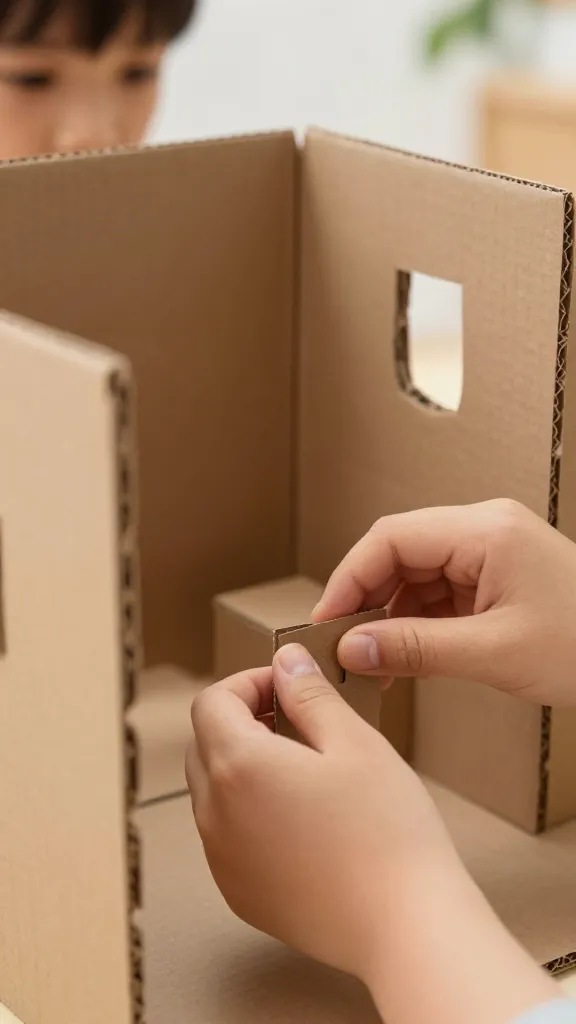
Set up a mini studio in a corner with paper, paints, fabric scraps, and old boxes. Let your kid transform a cardboard box into a spaceship, castle, or secret clubhouse. FYI, the mess is part of the fun.
- Set a 20-minute timer and see what they create.
- Swap materials weekly to keep it fresh.
Indoor obstacle course
Use pillows, tape on the floor, chairs, and a blanket over a table to build a course. Time each run, add silly penalties, and celebrate the victory lap.
- Incorporate balance, crawl, jump, and sprint stations.
- Adjust difficulty by adding or removing obstacles.
Story-led play
Turn a rainy afternoon into a theater audition. Prompt with a starter line and watch your kid improvise scenes, props, and characters. Improv teaches confidence and listening, plus it’s hilarious.
Outdoor ideas that turn the outdoors into a playground
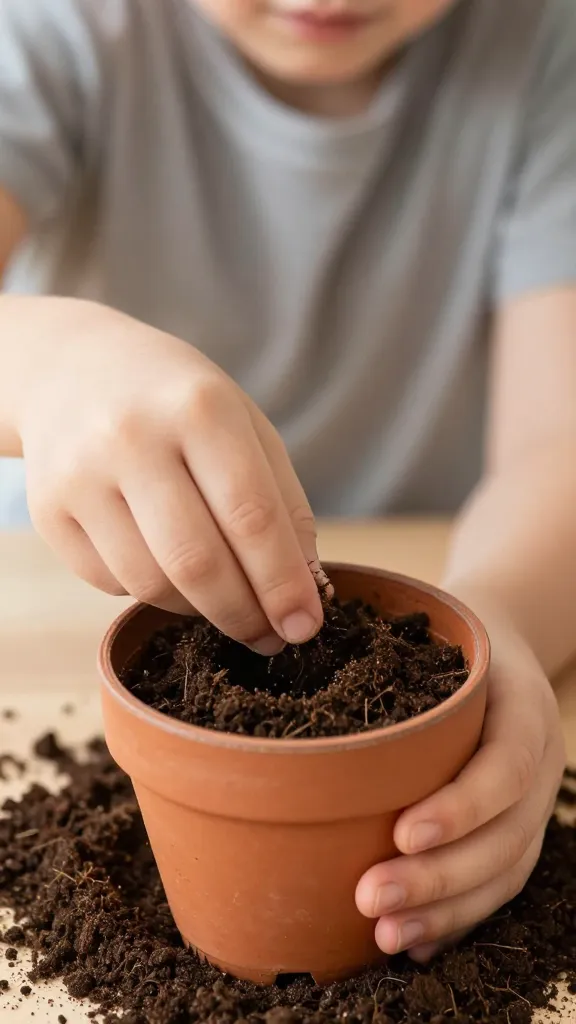
Outdoor time isn’t just play; it’s discovery, risk assessment, and healthy competition (against the grass, obviously). Here are outdoor ideas that stay engaging without turning into a full-blown camping trip.
Mini nature scavenger hunts
Create a simple list: find a smooth rock, a feather, a leaf with three lobes, a worm (safely observed, not disturbed). It’s amazing what kids notice when you give them a scavenger map.
- Bring a notebook or camera to document finds.
- Make it a sibling challenge or a cooperative quest.
Sandbox or dirt play (with a twist)
If you’ve got a sandbox or a patch of dirt, add cups, shovels, small vehicles, and a storytelling element. Build a pretend bakery, a construction site, or a seaside port.
- Introduce themes: fossils, treasure maps, or “build a city” scenarios.
- Wash-up ritual: quick hand wash and snack break to reset.
Bike, scooter, or simple relay races
Short, energetic sessions work wonders. Keep it safe with helmets and clear play zones.
- Time trials or relay teams keep motivation high.
- Mix in a pretend obstacle course with cones or chalk arrows.
Navigating safety, logistics, and energy levels
Safety and practicality shouldn’t kill the vibe. Here’s how to keep things smooth without stifling the fun.
Safety on both sides
– Always supervise, even during calm activities.
– Check equipment and surfaces for hazards.
– Teach kids how to handle scissors, paint, and tools safely.
– Have a quick “pause” code for when overstimulation hits.
Energy management
– Alternate high-energy with calm activities to prevent burnout.
– Build in snack/sip breaks to keep moods even.
– Let kids opt in or out of activities to respect their autonomy.
What to do when screens sneak in (and why it’s okay sometimes)

Screens aren’t the villain—balance matters. They can offer creative storytelling, educational games, and social interaction, especially on rainy days or when screens are a shared family activity. Use them intentionally.
- Choose high-quality, interactive options with clear limits.
- Pair screen time with a related physical task—dance along to a science video, then recreate the experiment with household items.
- Set a countdown and maintain a concrete end time to avoid the “one more minute” spiral.
From planning to real life: a flexible weekly rhythm
A weekly rhythm helps you avoid daily decision fatigue. Mix indoor and outdoor slots with a few repeat favorites and a couple of new experiments.
Sample week (easy to tweak)
– Monday: Indoor creative station after school
– Tuesday: Outdoor nature scavenger + snack outside
– Wednesday: Indoor story theater and dress-up
– Thursday: Outdoor bike ride or relay races
– Friday: Home cinema night with a themed activity afterward
– Weekend: Longer outdoor adventure or park day
Conclusion
Indoor and outdoor activities aren’t enemies; they’re teammates. The best days blend both worlds, matching energy, weather, and mood to the moment. Give yourself permission to switch gears when needed, and celebrate the tiny wins—like a child who builds a “castle” out of couch cushions or a kid who pedals a scooter all the way to the mailbox and back. The point isn’t to maximize screens or minimize mess; it’s to spark curiosity, resilience, and connection. You’ve got this.
Frequently asked questions
Is one environment better for learning at a young age?
Both environments have strengths. Indoor spaces foster concentration, fine motor skills, and storytelling, while outdoor settings boost gross motor development, risk assessment, and sensory exploration. A mix supports well-rounded growth.
How can I keep indoor play safe and organized?
Designate a play area, use washable materials, and rotate toys to avoid overwhelm. Establish simple rules, like “one toy out at a time” and a quick cleanup routine before dinner. FYI, kids love tidy-up games as much as adults hate them.
How long should outdoor play last?
Short bursts can be magical, especially for younger kids. Aim for multiple 15–30 minute sessions spread through the day, plus a longer outdoor block on weekends if possible. Improvise based on weather and energy.
What if my child resists outdoor play?
Lead with a story, or tie outdoor time to a favorite activity (a treasure hunt, a sandbox expedition, or a simple bike ride to a park). Make the outdoors inviting rather than a chore, and respect limits. Sometimes you win by starting small.
Any quick tips to balance screen time?
Use screens as a tool, not a default. Schedule a few purposeful sessions per week, pair them with hands-on activities, and keep a clear end time. IMO, screens are great when they spark learning or collaboration, not when they replace real-world play.