Quick Crafts vs Deep DIY
The moment you finish a Quick Craft and feel like a magician who just discovered glitter can fix anything, you know there’s something bigger going on. Quick Crafts are the espresso shot of DIY: fast, bold, and over before your coffee cold. Deep DIY, on the other hand, feels like a slow-braised Sunday meal—patient, layered, and somehow more satisfying when you finally taste the payoff. So what wins in the end? It depends on your mood, your project, and whether you’re chasing glory or stability. Let’s break down the vibes and trade-offs without turning a hobby into a life coach session.
What we’re really chasing: instant wins or lasting skills
Quick Crafts give you a win fast. You finish a project, snap a photo, and you’re done. Deep DIY rewards show up later—when the thing you built actually holds up, or you can repeat the process with better results. Do you want a shelf that’s up tonight or a technique you can reuse in ten rooms? Both paths are valid; you just need to be honest about what you’re optimizing for.
Speed vs. payoff: the two kinds of satisfaction
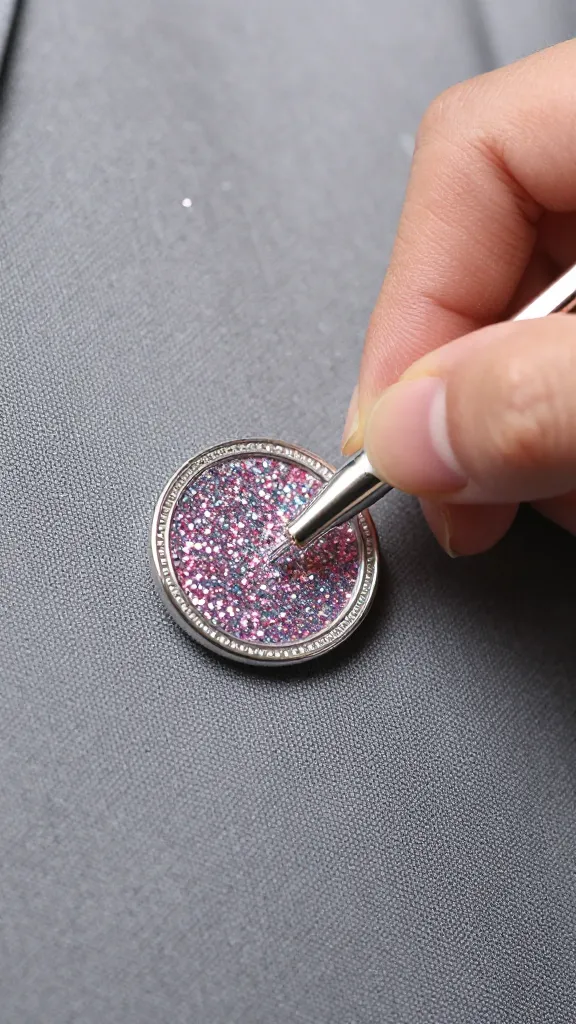
– Quick Crafts satisfaction
- Instant results, instant bragging rights
- Low commitment, low risk, high impulse-joy
- Great for testing ideas without sinking hours into it
– Deep DIY satisfaction
- Walk away with real mastery and reusable skills
- Better craftsmanship the more you practice
- Often more budget-friendly in the long run, if you count your time as a price
FYI, you can absolutely do a mix. Quick wins for morale, deep dives for skills. The trick is not to pretend one is the other and to know when you’re choosing speed over durability (or vice versa).
What counts as a Quick Craft anyway?
A Quick Craft is basically anything you can finish in one sitting, usually under an hour. Think spray paint plastic planters, a fabric tassel, or a shelf you assemble with pre-cut pieces and little to no measuring drama.
What makes it feel quick
– Simple materials: tape, glue, stickers, or a coat of paint
– Clear, limited steps: five steps or fewer
– Minimal tools: a glue gun, scissors, and a brush, tops
– A visible result in a short window
Where Quick Crafts shine
– Freshening up your space fast without breaking the vibe
– Building confidence with small, repeatable wins
– Silencing that “I have no projects” voice with DIY momentum
What counts as Deep DIY then?
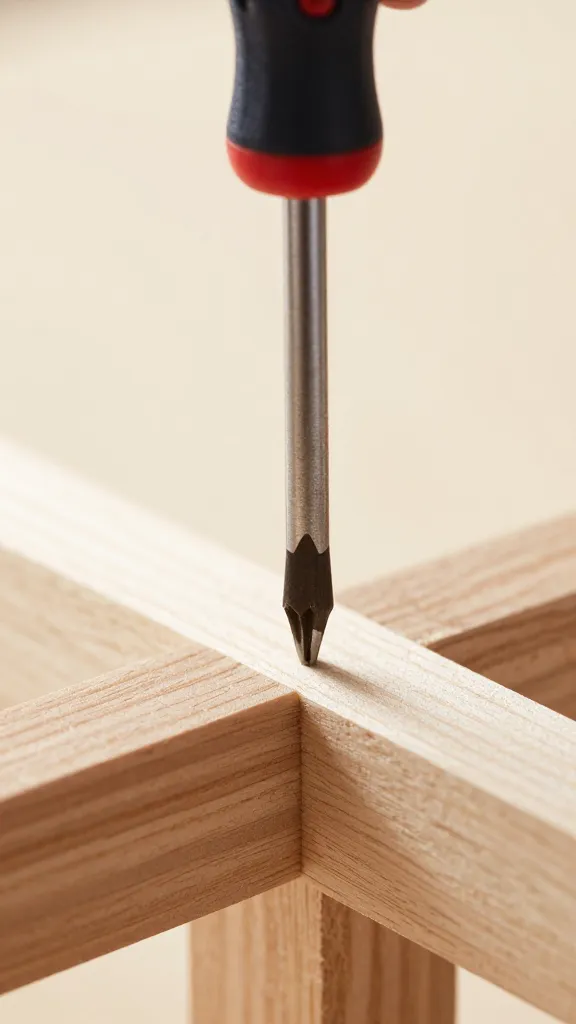
Deep DIY means investing time, patience, and sometimes money to learn a technique, master a craft, or build something sturdy from the ground up. You’ll spend more time researching, planning, and revising. The payoff isn’t just the finished item—it’s the process and the confidence that comes with it.
What makes it worth the time
– Stronger materials and longer-lasting results
– Transferable skills that apply to future projects
– A sense of autonomy: you can fix, customize, and iterate
Typical Deep DIY projects
– Building furniture from raw materials
– Cabinetry, carpentry, or metalworking
– Sewing a weighted blanket or a tailored garment
– Learning a finishing technique, like French polishing or advanced staining
Tools, time, and a little money math
Let’s break down the practical stuff with a no-nonsense approach.
– Time: Quick Crafts take hours, not days. Deep DIY can span weeks or months depending on complexity.
– Tools: Quick Crafts require a few basic items. Deep DIY often needs more specialized tools and safety gear.
– Money: Quick Crafts can be budget-friendly upfront. Deep DIY can be more costly initially but pays off with durability and skill. If you’re counting, add in your “learning curve” cost to time.
Smart budgeting for both paths
– Start with what you already own. If you have a stash of paints, brushes, or fabric, use it.
– Pick a project with scalable costs. A simple project you can level up is ideal.
– Track your time. If you’re spending hours without progress, pivot to a simpler quick-win and save the deeper dive for later.
Mindset matters: how to stay motivated
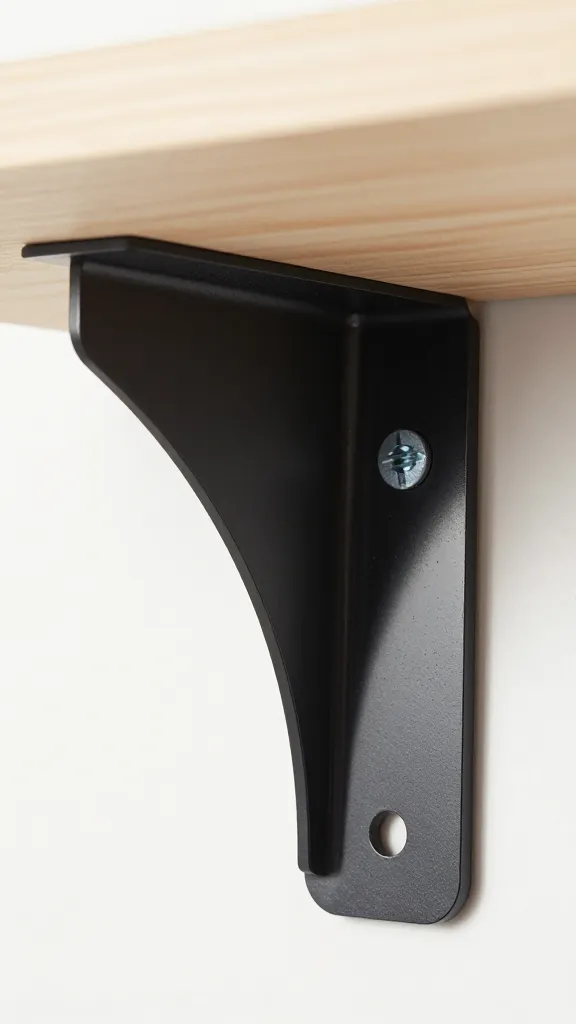
Motivation isn’t one-size-fits-all. Some people thrive on the adrenaline of a quick win; others crave the calm of a patient process. Here’s how to keep yourself on track.
– Set a clear goal: Do you want a finished product tonight, or a technique you can reuse?
– Create mini-milestones: Five steps? Check, check, check, done.
– Celebrate small wins: A perfect edge, a clean seam, a smooth finish—these matter.
– Don’t chase perfection. Quick Crafts excel at progress; Deep DIY rewards mastery, not perfection on the first try.
When to choose Quick Craft over Deep DIY—and vice versa
If the clock is ticking, go Quick Craft. If your heart is set on a new skill or you’re building something you’ll rely on for years, go Deep DIY.
– Pick Quick Craft when:
– You’re new to a material or technique
– You want a quick decor update
– You’re short on time but crave a project fix
– Pick Deep DIY when:
– You’re excited by mastering something complex
– The project has long-term use or value
– You want to save money over time through durable results
Balancing both worlds in one project
You don’t have to pick one path. Here’s how to blend them.
– Start with a Quick Craft to test a concept. If you like the result, expand it into a Deep DIY version.
– Break big projects into Quick Craft phases. Do the first phase fast, then refine in the next pass.
– Allocate time blocks: one quick sprint, one deeper session weekly. You’ll end up with momentum plus growth.
Conclusion
Quick Crafts are your daylight sprint—bright, fast, and satisfying in the moment. Deep DIY is the sunset marathon—steady, rewarding, and deeply fulfilling when you cross the finish line with a skill you can carry forward. Both paths have value, and both can coexist in your creative life. The key is knowing what you want from a project, setting expectations, and letting your mood steer you without guilt.
FAQ
What’s the easiest Quick Craft to start with?
Try a fabric plant hanger or a painted plant pot. Both need basic supplies, require little risk, and deliver a visible result in under an hour.
How do I decide if a project is worth a Deep DIY approach?
Ask yourself: will this project improve with repetition, or will it create a lasting skill that I can reuse? If yes, it’s a good candidate for a Deep DIY path.
Can I switch between Quick Craft and Deep DIY mid-project?
Absolutely. Treat the quick portion as a prototype. If you love the result, commit more time and effort to scale it into a full-blown Deep DIY version.
What if I want both speed and durability?
Plan in stages: start with a Quick Craft to validate the idea, then upgrade materials, finish, and techniques for a durable, long-lasting version.
Any tips to stay motivated across both paths?
Set small, tangible goals, track progress with photos, and celebrate micro-wins. FYI, sharing your progress with friends or a DIY community can provide a nice motivational boost.