fake vs real seashell crafts supplies
From the shell shop to your craft desk, fake vs real seashells can feel like a blind date: some spark, some plastic vibes, and a few don’t-even-bother-pretending-to-be-natural options. You want the real shimmer without the shell-shock of disappointment, right? Let’s cut through the glitter and glare. I’ll walk you through how to spot the real deal, why it matters, and how to craft without accidentally desecrating your coastal vibes. FYI, a little skepticism goes a long way here.
What counts as “real” seashells, anyway?
Seashells come from actual mollusks that lived their best life in the ocean. Real shells have weight, texture, micro-imperfections, and a story you can actually feel with your fingers. Fake shells might be dyed plastic, resin, ceramic, or glued-together bits designed to look the part from a distance. The difference isn’t just aesthetic—these materials behave differently in crafts, wear, and even with certain adhesives or paints.
– Real shells: calcium carbonate, natural wear, slight asymmetry, madrepores and growth lines visible under close inspection.
– Fake shells: plastic or resin, uniform shape, bright color overkill, smoother surface, sometimes hollow or hollow-ish with a cheap core.
– Why it matters: weight, durability, how they react to glue and paint, and how they interact with heat or UV light.
If you’re chasing a beachy vibe with authenticity, you’ll probably want real shells most of the time. If you’re after bold colors or specific shapes, fakes can be your friend—just know what you’re sacrificing.
Spotting the real deal in the shop
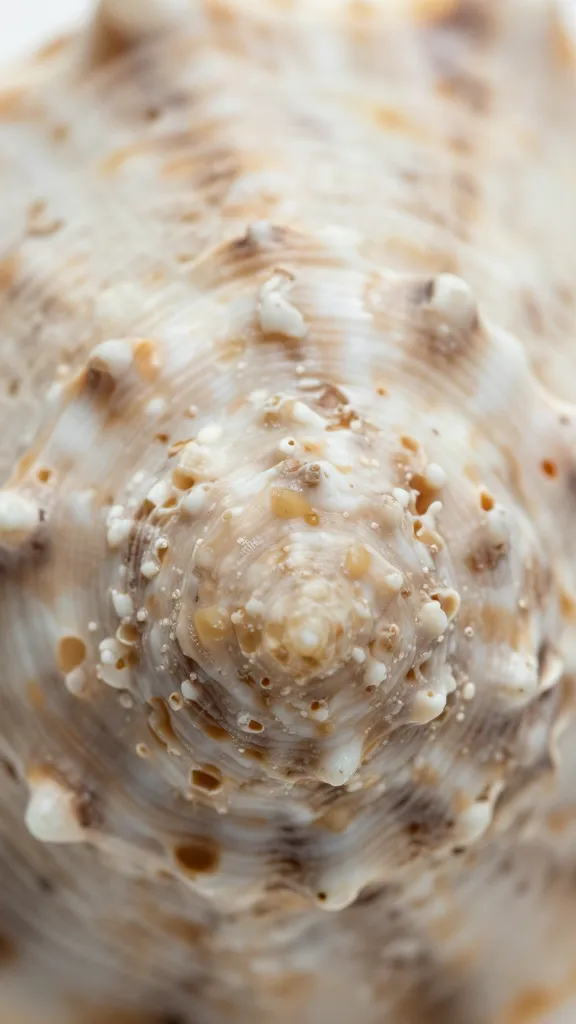
Here’s a quick cheat sheet you can use while browsing. No need to bring a magnifying glass to the checkout line (unless you want to—guilty as charged).
– Weight test: Real shells usually feel heavier for their size. Plastic shells feel hollow and too light.
– Texture check: Run your finger over ridges and edges. Real shells have subtle roughness and micro-structures; fakes tend to be ultra-smooth or pattern-perfect.
– Sound trial: Tap two shells together. Real shells make a soft, crisp clink; plastics often sound hollow and dull.
– Color honesty: Real shells have natural color variations and tiny flaws. If a shell looks like it was painted by a unicorn, it’s probably fake.
– Edge inspection: Look at the aperture and rim. Real shells have natural wear and slight irregularities; fakes often show perfectly clean, machine-made edges.
Subtle clues
If you’re allowed to sniff (okay, not recommended in a shop unless it’s hand sanitizer), a faint ocean-brine odor hints at real origin less dyed-up. Also, check the price. The ocean doesn’t produce perfectly identical shells sold in bulk for bargain-bin prices. If it’s suspiciously cheap, ask questions: where’s it from? what species? how was it collected or produced?
Materials behind fake shells: what you’re really getting
Knowing what you’re buying helps you plan your project. Fake shells aren’t inherently bad—just different.
– Plastic shells: lightweight, durable, easy to color, good for kids’ crafts, but can warp with heat and may crack with heavy use.
– Resin shells: sturdier than plain plastic, can be cast into specific shapes, often finished with a glossy surface.
– Ceramic or plaster shells: heavy, very durable, good for display pieces; can chip if dropped.
– Dyed or painted shells: real shells that have been coated for a dramatic look. The coating may chip if you’re rough with them.
Pros of fakes
– Consistent shapes and sizes for templates
– Color control for matching a project palette
– More economical in bulk
– Less impact on endangered species lists (if sourced responsibly)
Cons of fakes
– Less tactile texture, which matters for certain jewelry or nature-inspired pieces
– May not hold up to weathering or adhesives as nicely as real shells
– Some coatings can crack or peel with heavy manipulation
Practical tip
If you’re layering shells in a mosaic, fakes can be perfect because you won’t worry about tiny natural asymmetries throwing off your layout. If you’re making a nature-inspired wreath you’ll want the real thing for that organic irregular charm.
Choosing for different crafts
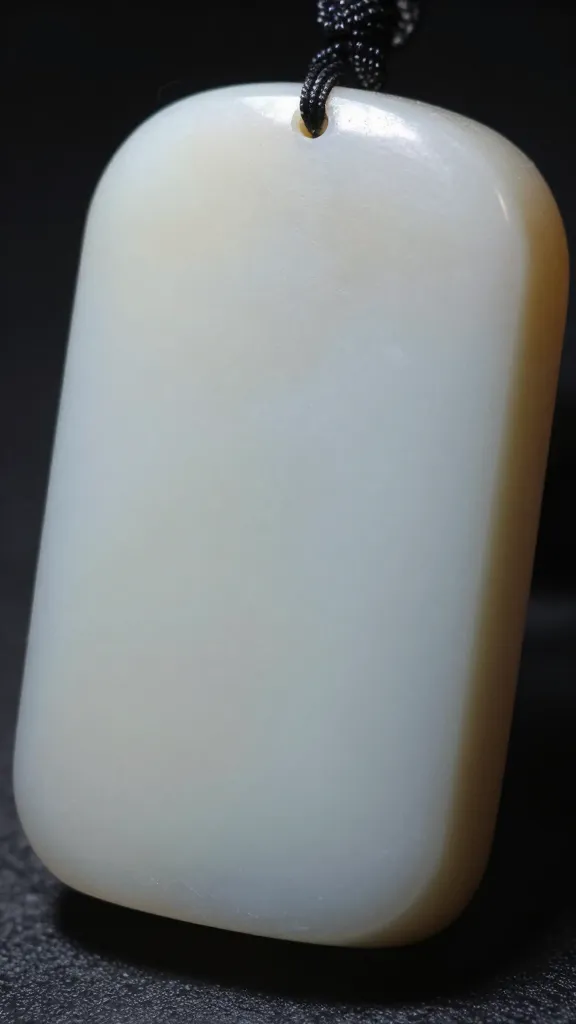
Your project should drive shell selection. Here are some common scenarios and the best fit.
– Jewelry (earrings, pendants, charms): Real shells for authenticity; use small, unblemished pieces. If you need uniform shapes, look at high-quality fakes designed for jewelry.
– Shadow boxes and wall art: A mix works great. Real shells for texture, faux shells to fill gaps or create color blocks.
– Coastal wreaths: Real shells for the top layer, fakes to backfill and maintain consistency in color and size.
– Mixed-media sculpture: A blend often looks best. Real shells for organic feel; fakes to stretch your budget and add bold colors.
Care and maintenance: getting the most from both worlds
Let’s keep your shells looking fresh, whether they’re real or fake.
– Cleaning real shells: Rinse with fresh water, pat dry, and avoid harsh chemicals. If you want extra shine, a light rub with mineral oil can bring out luster, but don’t overdo it.
– Cleaning fake shells: Mild soap and water usually do the trick. Avoid abrasive scrubbing that could scratch painted surfaces.
– Sealing options: If you want extra durability, use a clear sealant on both real and fake shells. Matte finishes look natural; gloss can make a piece feel more polished or museum-like.
– Glue compatibility: Some glues bond better with real shells’ calcium carbonate; others grip plastics better. Always test a tiny spot first.
Ethics and sourcing: keep it breezy and responsible
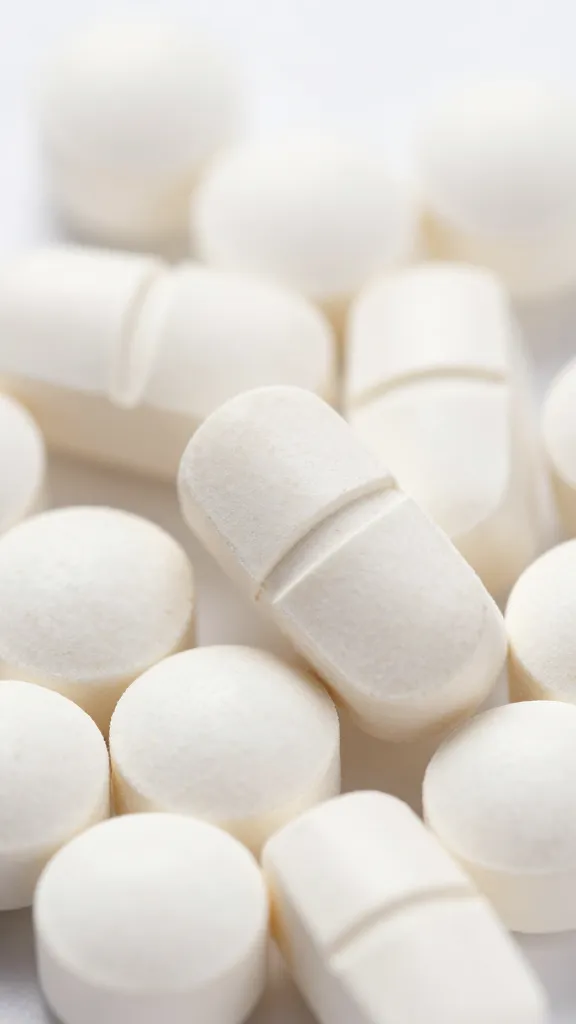
This isn’t just about making pretty stuff; it’s about respecting creatures and ecosystems.
– Real shells: Source from reputable suppliers who can document sustainable collection or farmed origins. Avoid shells from endangered species or protected beaches.
– Fake shells: Look for recycled or upcycled options. Some manufacturers reuse plastic waste to cast shells, which is a win for the planet.
– Localities matter: If you live inland, you’ll rely on vendors who stock real shells from reputable suppliers. If you’re coastal, support small businesses that share their sourcing stories.
– Quick FAQ on legality: Some regions regulate the collection or sale of certain shells. Always check local rules before buying or removing shells from shorelines.
DIY ideas: quick project starters with fake vs real accents
Here are simple, fun ideas to get you crafting without overthinking it.
– Beachy wind chimes: Use a mix of real and fake shells for varied textures. Tie with twine and add a small lighthouse charm for whimsy.
– Shell-accented photo frame: Glue tiny real shells along the edge for natural charm; fill gaps with dyed faux shells to maintain a balanced color palette.
– Jewelry set: Real mini shells for pendants; faux shells for bead accents in matching colors.
– Terrarium decoration: Place a few real shells on the soil surface for a natural touch; fill in more with faux shells to keep things lightweight.
Maintaining your collection: storage, rotation, and display
A tidy setup makes everything easier and lovelier.
– Storage: Use small, labeled containers or trays. Keep real shells dry and away from direct sunlight to prevent fading. Fake shells don’t mind sun, but color can still shift over time.
– Display: Group by color or size for visual rhythm. Real shells can be more irregular, which adds character to a display wall or jar arrangement.
– Rotation: If you’re selling or gifting, rotate your displays to keep things fresh and interesting. People notice fresh shells when they’re swapped in every few weeks.
Conclusion: pick with intention, craft with joy
Whether you chase the authenticity of real shells or the versatility of fakes, the right choice depends on your project, budget, and ethics. Real shells give you texture, story, and a tiny piece of the sea. Fake shells bring consistency, color, and affordability. Mix and match if you want—your craft deserves it.
If you’re ever unsure, ask yourself: does this piece need natural irregularity, or do I want clean shapes to build around? Do I need to withstand weather or be display-only? Answering those questions will guide you to the right shells without the drama.
FAQ
How can I tell a real shell from a high-quality fake in a store?
Real shells feel heavier for their size, have natural textures, and show slight imperfections. Fakes often look too smooth, uniform, and perfectly colored. A quick weight, texture, and edge check goes a long way.
Are there ethical concerns with using real seashells in crafts?
Yes. Ensure shells come from reputable sources, avoid endangered species, and follow local regulations. Consider supporting suppliers who practice sustainable harvesting or offer farmed shells.
Do real shells always look better than fake ones for all projects?
Not necessarily. For some projects, especially where precision and color control matter, high-quality fakes work brilliantly. For others, the organic irregularities of real shells are the star.
What’s the best way to clean real shells without damaging them?
Rinse with fresh water, pat dry, and avoid harsh chemicals. If you want extra luster, rub a tiny amount of mineral oil onto the surface sparingly and buff gently.
Can I mix real and fake shells in the same project?
Absolutely. In fact, it often looks fabulous. Real shells provide texture and authenticity, while fakes fill gaps, add bold color, and keep costs down. Just balance weight and color so nothing sinks or clumps oddly.