12 Earth Day Craft Ideas for School That Spark Creativity
Hey there, crafty crew! Earth Day is begging for hands-on fun, and these ideas are perfect for classrooms, after-school clubs, or playful at-home projects. Each idea is a fresh, unique take—no repeats, no variations—so you’ve got 12 distinct inspirations to choose from. Trust me, your students (and their parents) will be obsessed.
Ready to roll up your sleeves? Grab recyclable scraps, a splash of imagination, and a dash of curiosity. Let’s dive into 12 earth-loving crafts that are as educational as they are adorable.
1. Recycled Friendship Garden Markers
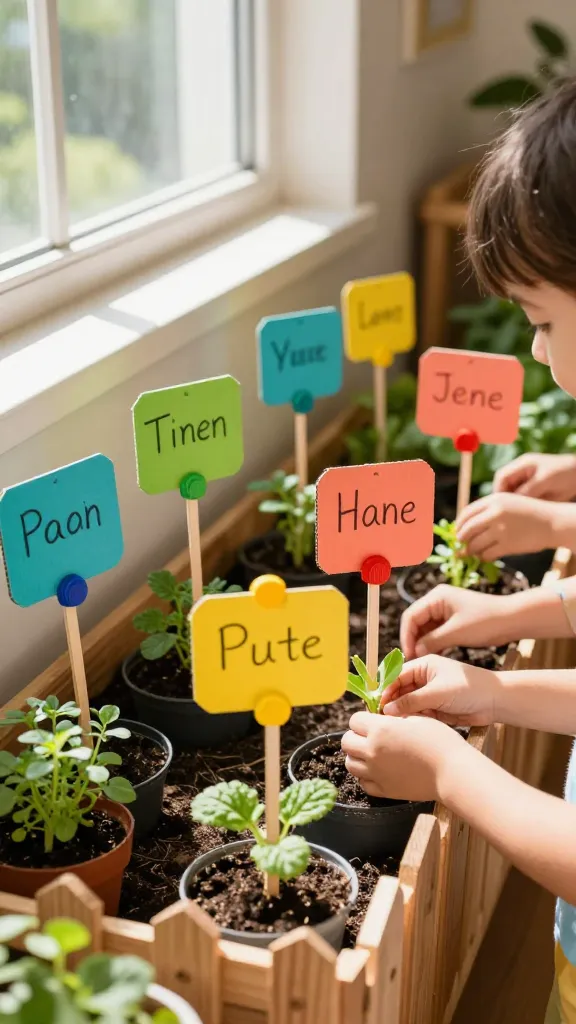
Picture a sunny classroom garden corner with cheerful markers naming each plant. These charming markers turn scrap cardboard and bottle caps into mini works of art. The colors pop, the kids take ownership of their plot, and the whole project screams sustainability.
Materials Needed
- Recycled cardboard or cereal boxes
- Plastic bottle caps
- Wooden skewers or popsicle sticks
- Acrylic paints or markers
- Double-sided tape or glue
How to Make It
- Cut cardboard into tag shapes. Paint them with plant names or simple icons.
- Glue markers or bottle caps to the tags for a wind-chime-like look when outdoors.
- Poke a hole near the top and thread a skewer through to plant into soil.
Pro Tips / Styling Ideas
- Laminate or seal the tops for durability in sunlight.
- Use bright, earthy tones to match your garden’s vibe.
Who would love this?
Natural-lovers and budding gardeners—great for classroom gardens or school plots.
2. Paper Plate Pollinator Gardens
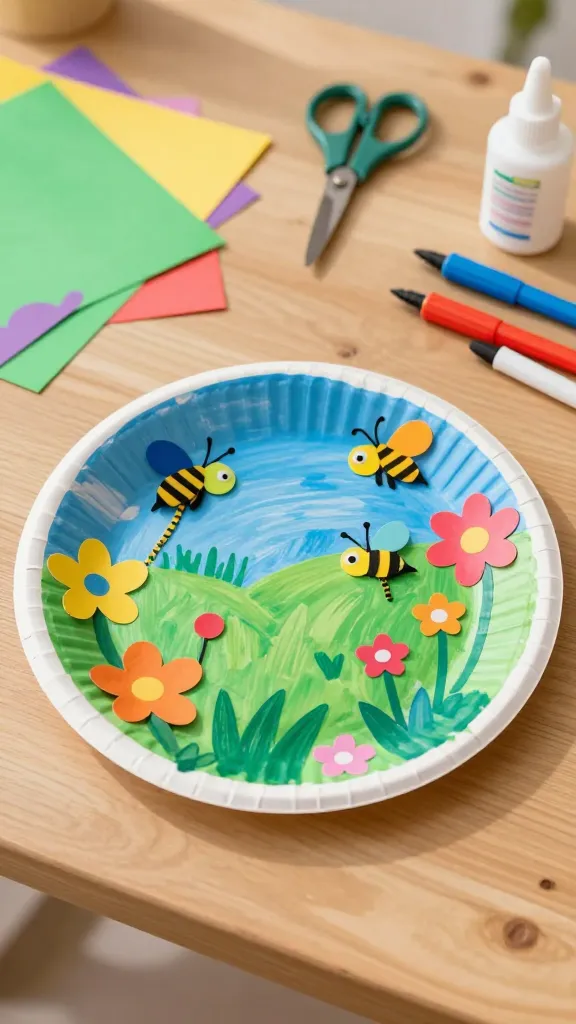
Transform plain paper plates into tiny, buzzing pollinator havens. Kids paint the back to look like a lush meadow, then add paper bees, butterflies, and flowers. It’s a bite-sized ecology lesson with a big impact.
Materials Needed
- Plain paper plates
- Colored paper, markers, glue
- Googly eyes (optional)
- Pipe cleaners for stems
- Scissors
How to Make It
- Paint the plate to resemble grass and sky, then cut out floral shapes from colored paper.
- Glue flowers around the plate edge; add paper bees or butterflies hopping from flower to flower.
- Attach pipe cleaner stems at the bottom to stand as a mini garden scene.
Pro Tips / Styling Ideas
- Laminate for durability or hang as a classroom display.
- Label each pollinator with a tiny fact to extend learning.
Who would love this?
Science buffs and future environmental stewards who love a pretty, educational piece in the hallways.
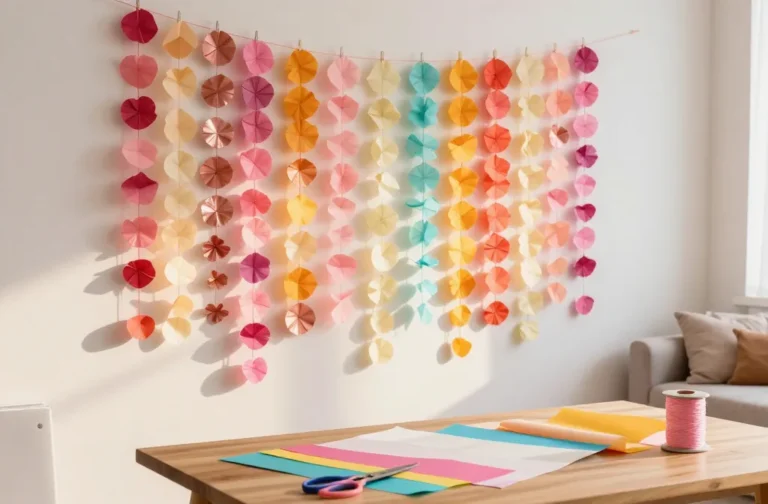
3. Upcycled magazine Beads Garlands
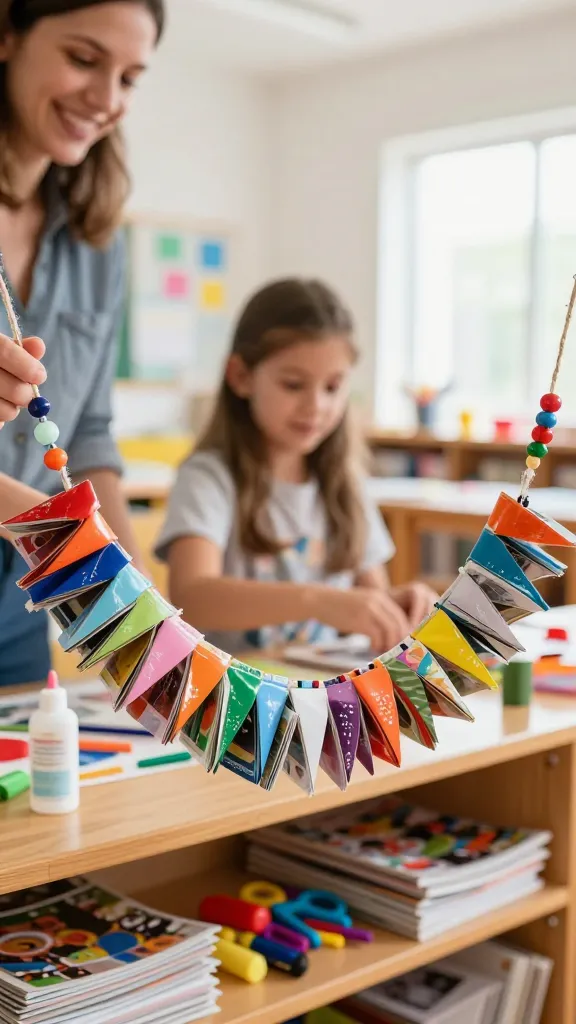
Turn colorful magazine pages into dazzling bead garlands that brighten classrooms and celebrate repurposing. It’s a rhythmic craft that doubles as fine motor practice and a sustainable fashion statement.
Materials Needed
- Old magazines or scrap paper
- Wooden skewers or fishing line
- Scissors
- Glue or mod podge
- Clear sealant (optional)
How to Make It
- Cut pages into long triangles or shapes; roll into beads and seal with glue.
- String beads onto thread, creating rainbow-colored garlands.
Pro Tips / Styling Ideas
- Hang in the classroom windows for sun-caught color.
- Create team colors to represent different groups or Earth Day stations.
Who would love this?
Art lovers and anyone with a stack of old magazines screaming to be used again.
4. Seed Bomb Promise Spheres
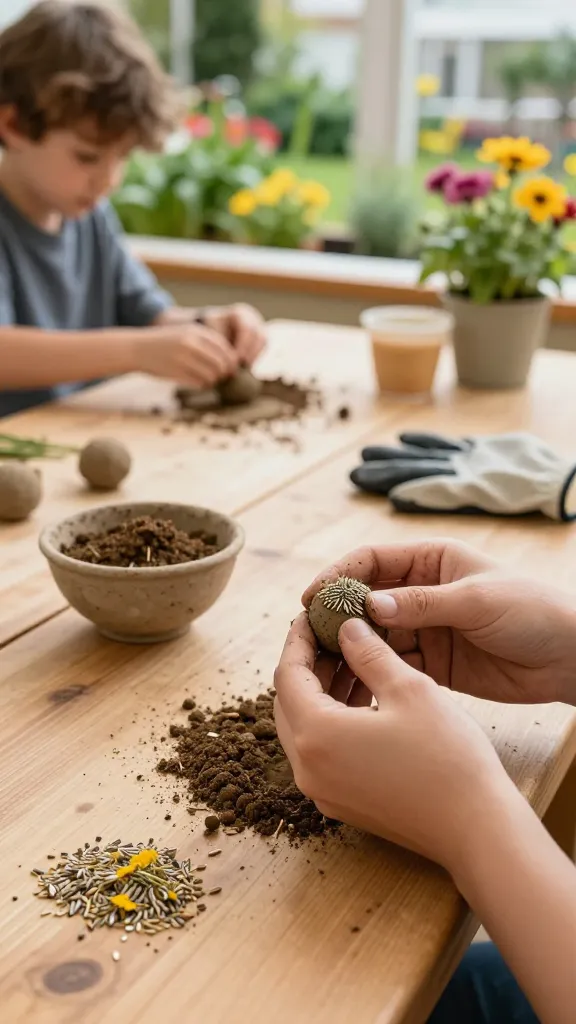
Seed bombs are tiny adventures packed into clay and compost. Roll up seed balls with wildflower seeds and a pinch of soil, then toss them into school gardens or outdoor spaces. It’s a playful way to grow pollinator-friendly patches with minimal effort.
Materials Needed
- Clay powder or air-dry clay
- Compost or potting soil
- Wildflower seeds
- Gloves
- Water
How to Make It
- Knead clay with soil until it forms a dough-like consistency.
- Mix in seeds; roll into small spheres and let dry.
Pro Tips / Styling Ideas
- Package in small bags with care instructions for Earth Day swaps.
- Include a QR code linking to a seed-growing guide.
Who would love this?
Environmental science clubs and teachers who want a tangible, bite-sized planting activity.
5. Cardboard City Parks
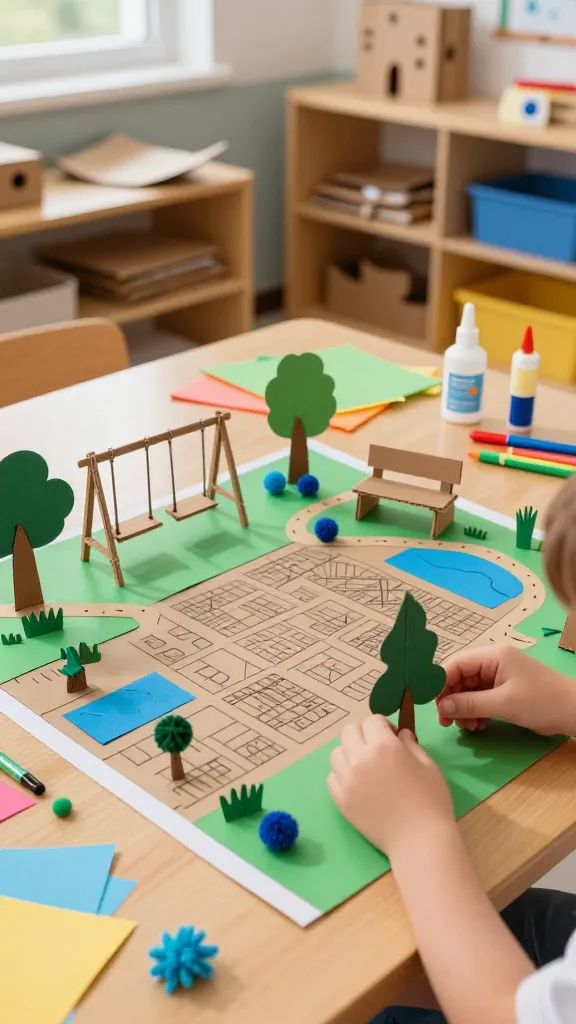
Build miniature parks from cardboard and recyclable bits to illustrate urban green spaces. Kids design playgrounds, trees, and benches, learning about urban ecology while crafting a tactile model.
Materials Needed
- Old cardboard boxes
- Construction paper, scraps
- Glue, scissors, tape
- Markers or paint
- Mini pom-poms or yarn for trees
How to Make It
- Cut cardboard into a city grid; create park sections with trees and swings.
- Decorate with paper that mimics grass, water, and paths.
- Add tiny signs for eco-friendly features like bike lanes or rain gardens.
Pro Tips / Styling Ideas
- Glue magnets to the back for a pop-up classroom display.
- Label each park with a sustainability feature you discussed in class.
Who would love this?
Future urban planners and sustainability champions who love hands-on models.
6. Reusable Tote Decorating Party
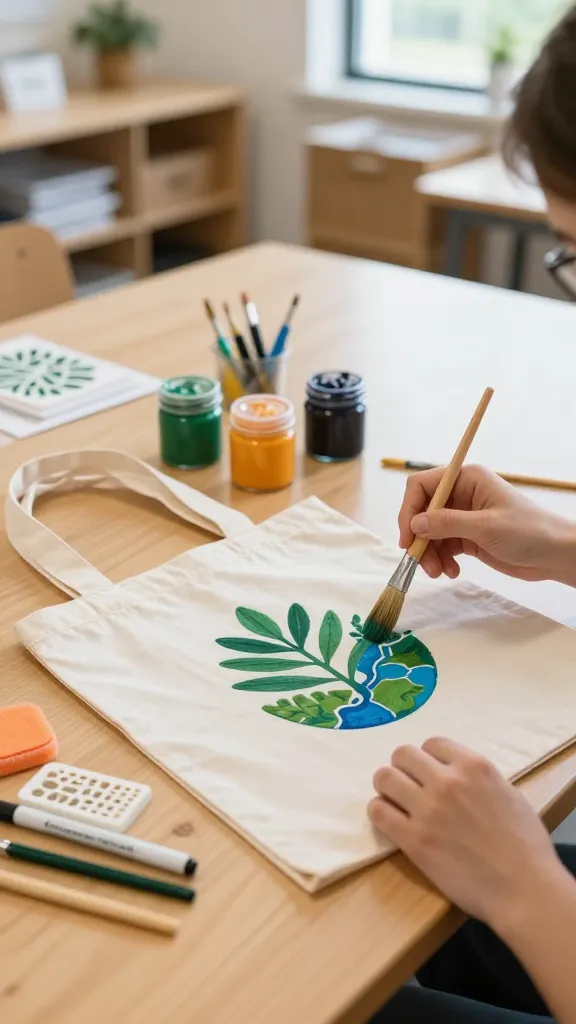
Let students personalize plain canvas totes with natural dyes and eco-friendly paints. This giftable project turns a simple tote into a daily reminder of sustainable habits.
Materials Needed
- Plain canvas tote bags
- Natural dyes or acrylic paints
- Stencils (optional)
- Brushes, sponges
- Fabric markers
How to Make It
- Decorate with plants, earth icons, or positive messages about reducing waste.
- Use stencils for neat, bold designs; finish with fabric markers for detail.
Pro Tips / Styling Ideas
- Seal with a fabric-friendly sealant to extend life.
- Pair tote decorating with a pledge card about how the tote will reduce plastic use.
Who would love this?
Students who like wearable art and practical, reusable items.
7. Compost Jar Creations
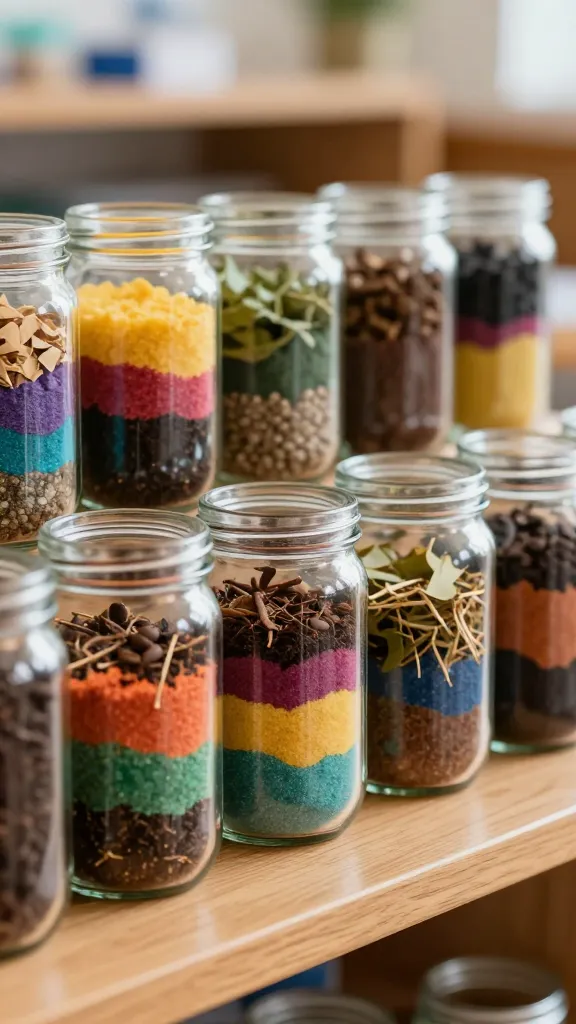
Bowls of colorful, layered compost jars teach decomposition and ecology in a very tangible way. They look gorgeous on a shelf and make compost science approachable for younger students.
Materials Needed
- Small glass jars with lids
- Colored sand or soil layers (optional)
- Miniature dry leaves, twigs, coffee grounds
- Label tags
How to Make It
- Layer jars with different compostable materials to show how things break down.
- Explain each layer briefly on a label card.
Pro Tips / Styling Ideas
- Place in a “curiosity corner” with a weekly decomposition fact.
- Use as a visual aid during science talks about sustainability.
Who would love this?
Science lovers and teachers who want a tactile, decorative display that teaches at a glance.
8. Natural Dye Earth Palettes
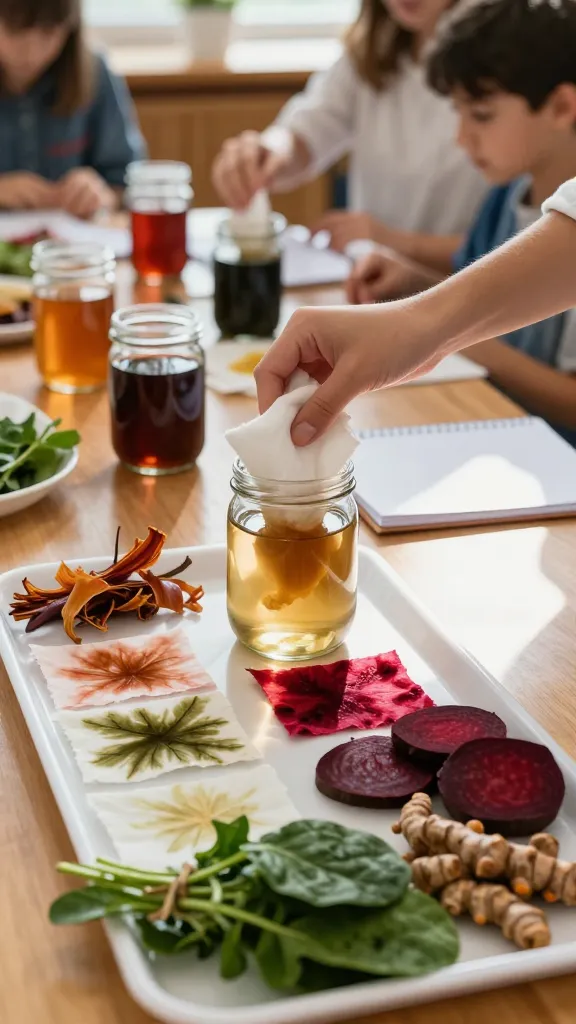
Harvest leaves, flowers, and berries to create natural dye swatches that students log in a little “Earth Palette” book. It’s a sensory, literary-friendly activity with a focus on plant chemistry.
Materials Needed
- White cotton squares or fabric swatches
- Natural dye sources (onion skins, beet juice, turmeric, spinach)
- Glass jars, water
- Rubber bands and string
How to Make It
- Simmer plant materials to extract color; dip fabrics and let dry.
- Catalog colors in a mini dye journal with notes about shade depth and timing.
Pro Tips / Styling Ideas
- Pair with a mini “ethnobotany” read-aloud for cross-curricular tie-ins.
- Create a classroom color wheel from the dried swatches.
Who would love this?
Color enthusiasts and budding chemists who love experiments that smell amazing and look stunning.
9. Upcycled Tin Can Lanterns
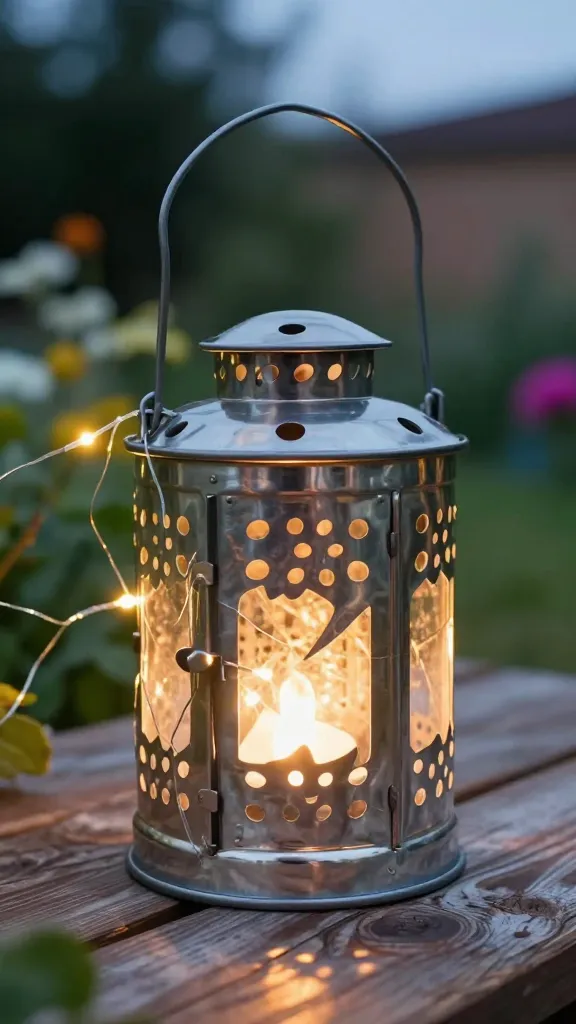
Tin cans become twinkling lanterns with a little pattern punching and string lights. This project feels festive for Earth Day displays or evening school events, and it uses common recyclables in a bright, cozy way.
Materials Needed
- Clean tin cans
- Hammer and nail or pin vise
- Tea light or LED lights
- Twine or ribbon
How to Make It
- Punch decorative patterns around the can; rinse and dry thoroughly.
- Place a light inside and hang or set on a safe surface.
Pro Tips / Styling Ideas
- Paint the exterior in earthy tones or metallics for curb appeal.
- Combine with outdoor cushions for a cozy Earth Day corner.
Who would love this?
Crafters who adore glow-y accents and students who love a little magic after dark.
10. Recycled Bottle Cap Mosaic Clock
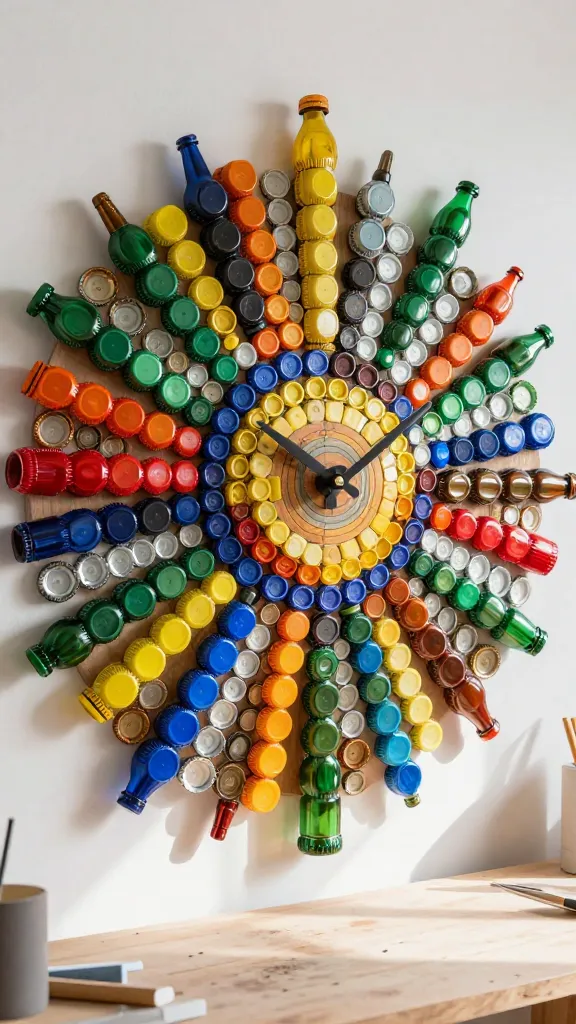
Turn bottle caps into a sunburst mosaic clock that’s both functional and funky. It’s a striking wall piece that proves recyclables can become something timeless and decorative.
Materials Needed
- Recycled bottle caps
- Cardboard or wooden round base
- Acrylic paint, clock kit or hands
- Strong adhesive
How to Make It
- Arrange caps in a sunburst pattern, then glue to the base.
- Add a clock mechanism and hands in the center.
Pro Tips / Styling Ideas
- Color-code caps for a bold, graphic look.
- Hang near a learning corner about recycling rates and impacts.
Who would love this?
Artful students who love big statements and sustainable storytelling.
11. Eco-Washi Tape Terrariums
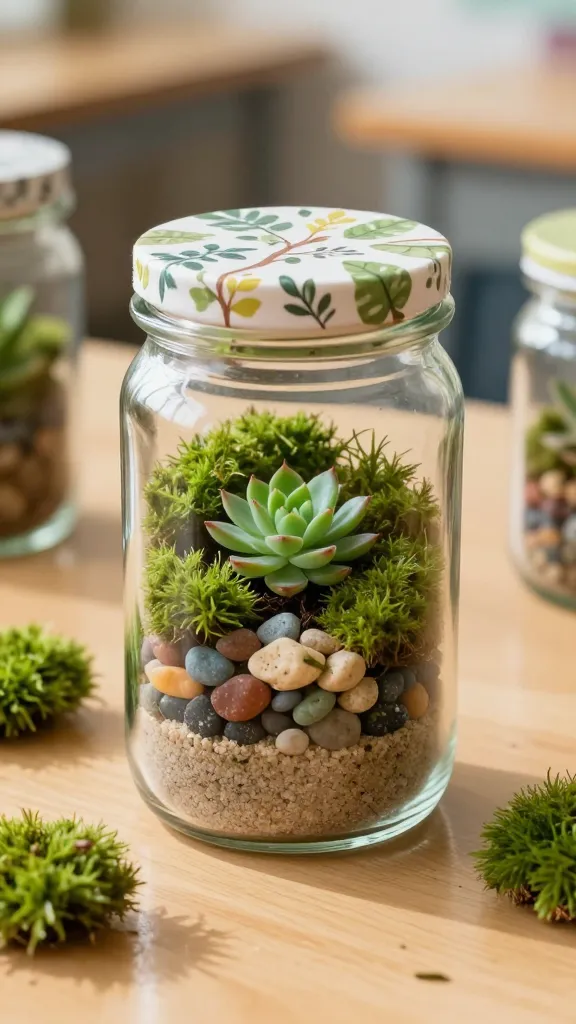
Tiny glass terrariums filled with moss, pebbles, and tiny plants become miniature eco-ecosystems. A dash of washi tape gives them a playful frame, and they’re perfect for desks or windowsills.
Materials Needed
- Small glass jars or jars with lids
- Moss, tiny pebbles, sand
- Small plants or succulent cuttings
- Washi tape in nature motifs
How to Make It
- Layer rocks, sand, and moss; top with a tiny plant.
- Wrap the lid with washi tape for a decorative touch and easy removal for watering.
Pro Tips / Styling Ideas
- Label each terrarium with a quick care note for students to follow.
- Create a whole row of these for a classroom “eco gallery.”
Who would love this?
Nature lovers and students who crave a serene, compact display piece.
12. Plastic-Free Snack Bags Makeover
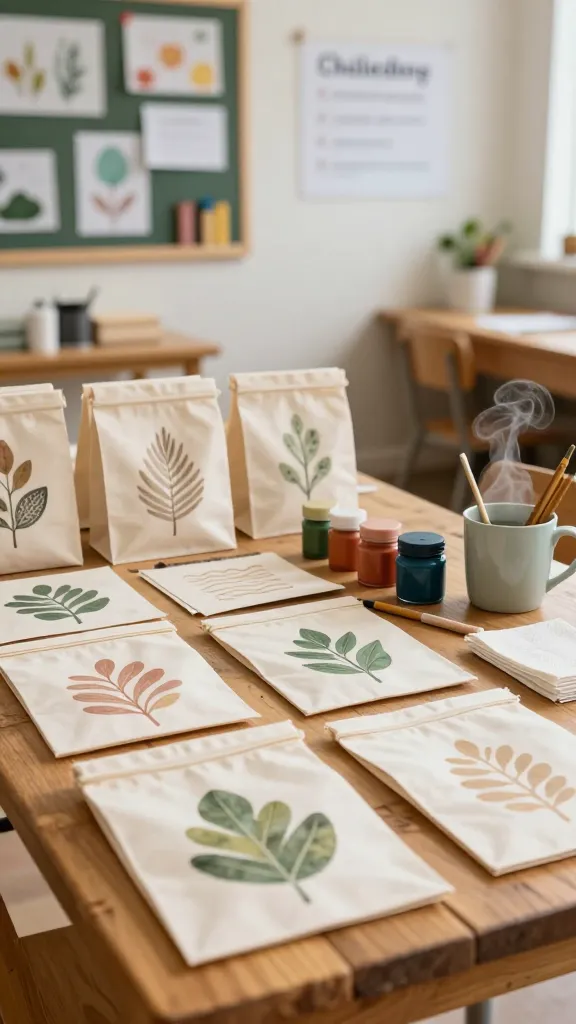
Give plain cloth snack bags a makeover with plant-inspired prints. It’s a practical, mess-free project that doubles as a daily reminder of reducing single-use plastics.
Materials Needed
- Plain cotton snack bags
- Natural fabric paints or dyes
- Stamps or stencils (leaves, waves, earth icons)
- Brushes
How to Make It
- Stamp or paint nature-inspired patterns onto the bags.
- Let dry and heat-set if needed to keep designs longer.
Pro Tips / Styling Ideas
- Pair with a classroom challenge: “Pack it in, pack it out.”
- Gift a set to students as Earth Day keepsakes.
Who would love this?
Practical crafters and families committed to reducing waste without sacrificing style.
Conclusion
Earth Day is the perfect excuse to unleash creativity while teaching big ideas about sustainability. Each of these 12 completely unique crafts is designed to be accessible, visually appealing, and classroom-friendly—so you can mix, match, and sprinkle them across projects all month long. Pick one, or try them all, and watch the classroom buzz with color, curiosity, and eco-friendly flair.
You’ll love this approach because it’s playful, meaningful, and incredibly doable. Ready to get crafting? Gather your recyclables, invite a few friends, and start turning ordinary materials into extraordinary Earth Day art.
Want more inspiration? Save this guide for Pinterest-ready ideas, share it with fellow teachers, and watch your students’ creativity flourish as they learn to care for the planet—one delightful project at a time.