small spaces vs large yards seashell crafts
From tiny nooks to sprawling backyards, shells have a way of turning ordinary spaces into whimsy. Small spaces don’t have to mean boring décor, and large yards aren’t automatically pricey to beautify. Seashell crafts bridge that gap with personality, texture, and a dash of coastal charm. Ready to mix a handful of shells with your clever ideas? Let’s dive in.
Why seashell crafts work for both tight corners and big expanses
No matter the square footage, shells add instant texture and a story. In small spaces, they reflect light, create focal points, and invite touch without clutter. In large yards, shells can anchor seating areas, line garden paths, or become a conversation starter. FYI, shells aren’t just for the beach house anymore—they’re a universal charm offensive.
Ideas for small spaces: maximize impact with minimal footprint
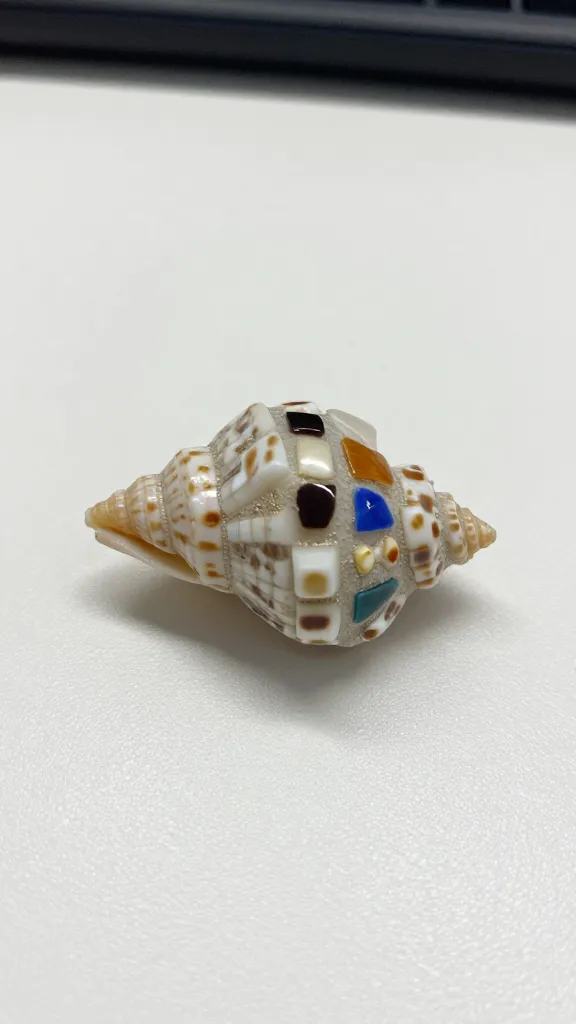
Tiny apartments, balcony boxes, or a nook by the window—shells can punch above their weight here.
Shell accoutrements for shelves and corners
– Collect a small tray of mixed shells and place it on a coffee cart or shelf. The natural colors do the heavy lifting.
– Create a one-shelf display using a shallow indented tiered tray. Add a little greenery and you’ll have depth without taking up space.
Functional decor that doubles as storage
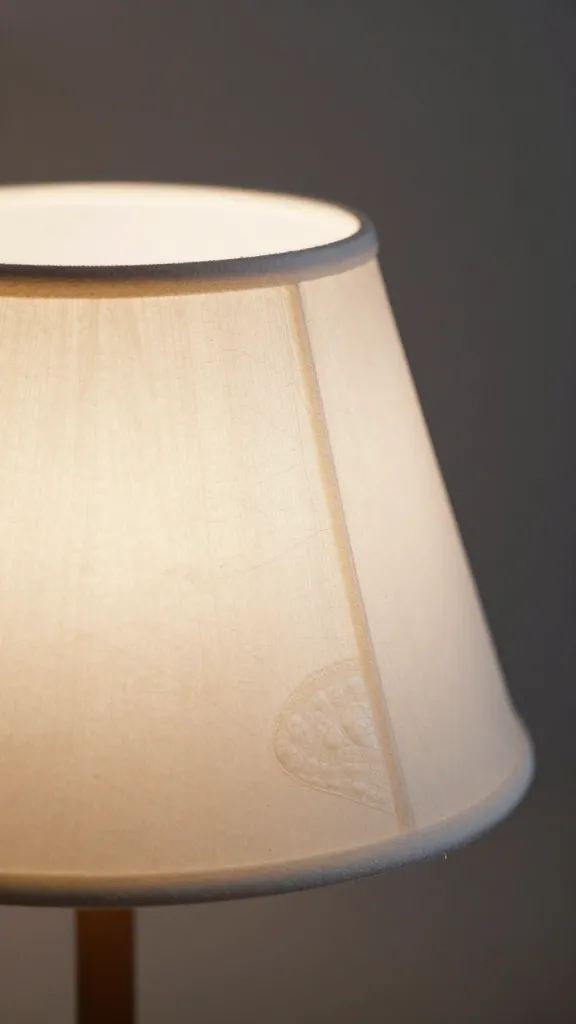
– Make a compact coastal lamp base by hot gluing shells around a simple lamp. It gives you mood lighting and a talking point.
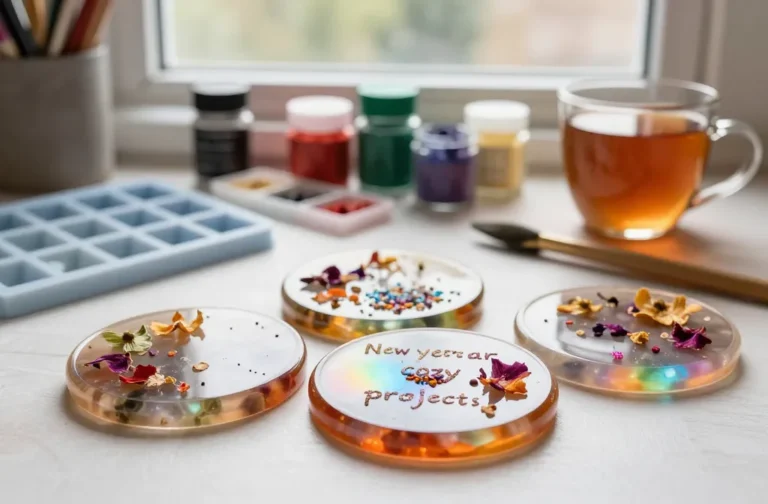
– Use a clear resin tray filled with shells to hold keys or jewelry. It looks beachy but stays organized.
Wall artistry that saves floor space
– Collage a shell mosaic on a plywood panel to hang as wall art. It’s lightweight, boho, and totally unique.
– Create a laminated shell frame for a mirror or photo frame. The shells catch light and make the piece feel premium.
Sea-inspired features for large yards: scale up with style
With more room, you can strategize, choreograph, and really let shells sing.
Pathways and borders that guide the eye
– Line garden paths with shells of varying sizes embedded in low-cost concrete. It feels luxe, but you didn’t break the bank.
– Create a seashell border around a patio or fire pit. It frames the space and softens hard edges.
Seating accents and focal points
– Build a coastal-inspired bench with shells in resin panels. It’s a durable, eye-catching centerpiece.
– Use large, flat shells as decorative stepping stones or as a splash of texture near a water feature.
Water features and shells: a match made in tide heaven
– Bury a shallow dish fountain or a small water pump beneath a shell bed. You’ll get soothing sound and movement without a full-on pond.
DIY fundamentals: materials, safety, and long-term care
You don’t need a treasure chest to start; you just need the right basics and a touch of patience.
Where to source shells (without becoming a hoarder)
– Start with a small mix: a dozen small shells, a handful of mid-sized, and a couple of dramatic statement pieces.
– Check local craft stores, beachcombing responsibly, or reputable online sellers. Respect local regulations about collecting shells.
Adhesives, fixatives, and sealants
– For indoor projects, hot glue and clear epoxy resin work well. For outdoor pieces, choose weatherproof sealants.
– If you’re layering shells on furniture, seal the surface to prevent shells from popping off with humidity changes.
Durability and maintenance tips
– Indoor displays: dust regularly; a quick damp cloth is enough.
– Outdoor installations: choose UV-resistant sealants and avoid shells that degrade quickly in sun and rain.
– Recheck fasteners every season—shells love to loosen when the wind picks up.
Personalizing your shell crafts: themes, color, and vibe
The whole point is to make it yours, not a generic coastal postcard.
Color storytelling
– Keep a restrained palette: whites, creams, and soft blues create calm. Add a pop with coral or teal accents.
– If you’re feeling bold, go high-contrast with black-backed shells or metallic highlights.
Texture play
– Mix smooth, glossy shells with rough, barnacle-like pieces. The contrast adds depth.
– Combine shells with other natural elements: driftwood, pebbles, and pinecones for a layered look.
Seasonal swaps
– Change out a few shells or the display setup with the seasons. It’s budget-friendly and refreshing.
– For autumn, pair shells with warm-toned gourds and dried grasses. In spring, go airy with pale shells and light linen fabrics.
Common mistakes to avoid (so your shells don’t end up in the recycling bin)
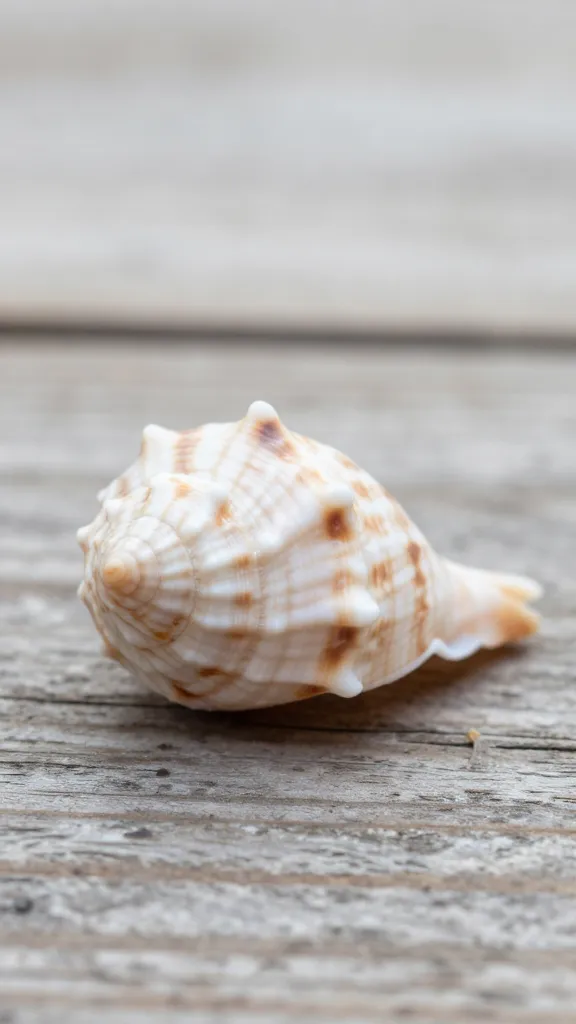
Hitting the right balance takes practice. Here are quick pitfalls to sidestep.
- Overloading every surface. Space out shells so they can shine without competing with each other.
- Ignoring scale. A huge shell in a small frame looks out of place; smaller pieces should lead.
- Choosing the wrong glue for outdoor pieces. Weatherproofing matters if it’ll see sun or rain.
Frequently asked questions about small spaces vs large yards seashell crafts
Can I use the same shells for indoor and outdoor projects?
Yes, but you’ll want different sealants. Indoor shells benefit from a gentle sealant, while outdoor pieces need weatherproofing and UV protection. FYI, some shells are more delicate—save the pretty, fragile ones for indoor displays.
What are the easiest shells to work with for beginners?
Small to medium, smooth shells are forgiving. Think scallop slices, clams, and tiny conchs. They’re easy to glue, balance well, and don’t require fancy mounting techniques.
How can I keep shells looking fresh year after year?
Dust regularly, reseal outdoor pieces every season if you’re using resin or sealants, and store indoor items in a cool, dry place when not in use. A little care goes a long way.
Are seashell crafts expensive?
Not necessarily. Start with a small kit and DIY pieces using inexpensive adhesives and sealants. If you collect shells yourself, you can keep costs very low while still getting wow-worthy results.
Do shells really make small spaces feel bigger?
Absolutely. Reflective, light-catching surfaces brighten corners, and a well-placed shell mosaic or framed shell piece can create the illusion of depth. It’s all about strategic placement and a little sparkle.
Conclusion: a sea of possibilities, no matter the yard
Smaller rooms benefit from shells that sparkle and simplify, while bigger landscapes benefit from shells that anchor, guide, and delight. You don’t need a voyage to the coast to wield this magic—just a sparing handful of shells, a plan, and a sense of fun. So go ahead: mix the tiny and the grand, the delicate and the bold, and watch spaces come alive with a touch of tide-inspired charm. IMO, the best part is you get to keep tweaking things until it feels distinctly yours.
FAQ
How do I decide how many shells to use in a project?
Start with a focal piece and add accents. In a small space, less is more. In a yard, you can scale up thoughtfully—think focal shell, then a few supporting pieces along a path or border.
What finishes look best with seashell crafts?
Matte neutrals balance busy shells, while glossy finishes can amplify color. For outdoor pieces, a weatherproof sealant with a slight gloss often looks fresh and modern.
Can I mix shells with other nautical decor?
Yes. Driftwood, rope, and pale fabrics complement shells nicely. Keep a unifying color or texture to prevent the look from feeling chaotic.
Is it okay to use found shells from the beach?
Yes, but check local regulations and avoid disturbing wildlife. Leave live organisms where you find them and only collect shells that are empty and natural to the beach ecosystem.
What’s a quick beginner project I can try this weekend?
Two options: a shell mosaic wall panel using a plywood base and clear epoxy, or a resin-coated shell tray for keys and jewelry. Both are forgiving and satisfying for beginners.