How to Make Sensory Bins Kids Activities
What makes sensory bins a must-have in a kid’s play arsenal? Everything you need to spark curiosity, calm chattering minds, and secretly sneak in learning without turning playtime into a freak-out session. Sensory bins are basically brain-boosting slime that doesn’t slime your furniture—okay, maybe a little. They invite exploration, language, fine motor work, and those tiny “aha” moments we chase as parents, caregivers, and enthusiastic aunts. Ready to dive in? Let’s roll.
What a sensory bin actually is (and isn’t)
A sensory bin is a shallow container filled with a base material plus interesting objects that kids can manipulate, scoop, pour, and explore. The base can be rice, sand, pasta shapes, beans, or even water beads. The key: it should be safe, non-toxic, and appropriate for your child’s age. Materials aren’t set in stone—creativity wins here.
– Pro tip: always supervise. Curious hands + small parts = potential choking risks.
– Make it eco-friendly when possible: use dried beans, dry pasta, or repurposed recyclables as fillers.
Picking the right fillers: what actually works

The filler is the heart of the bin. It should invite discovery without turning into a mess you’ll regret afterwards.
- Rice: Clean, cheap, and easy to color with a few drops of food coloring. Great for pouring and scooping.
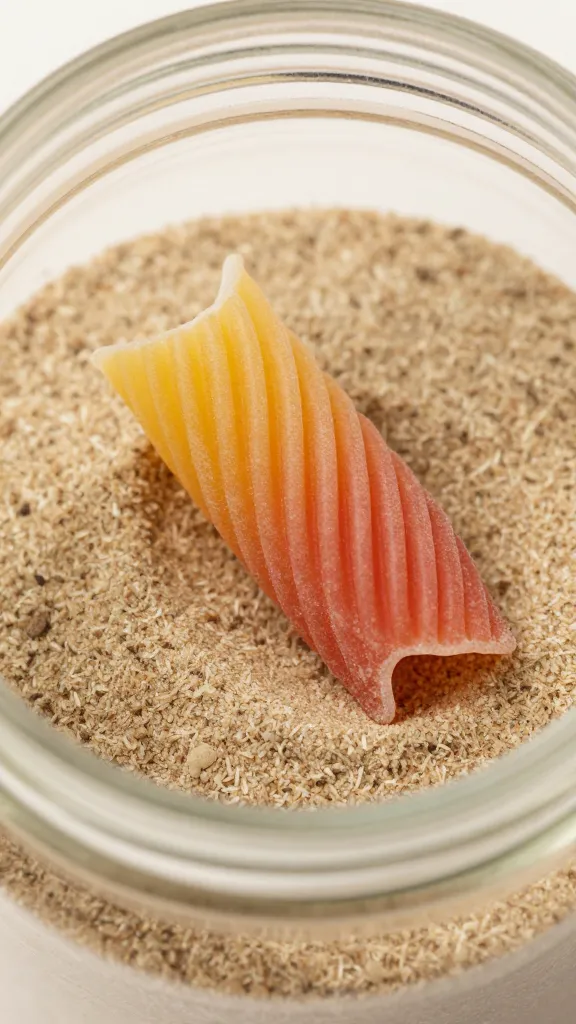
- Colored pasta: Works well for threading, sorting, and basic math later on. FYI, it sticks less to hands than glitter—trust me.
- Water and marbles: A watery bin with glass beads creates great sloshy play. Keep it age-appropriate and wipe-clean afterward.
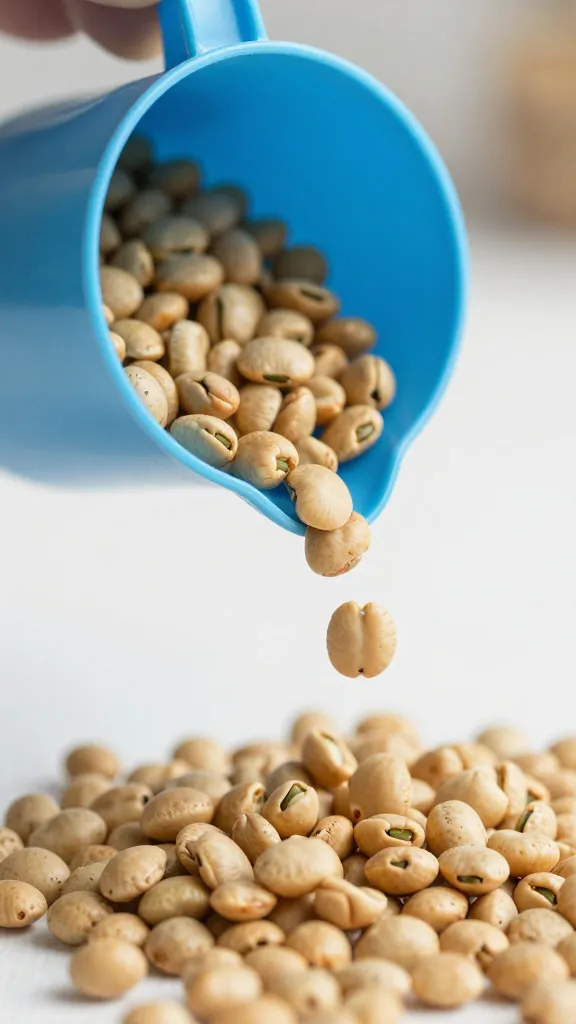
- Dry beans or lentils: Excellent for hiding small objects and sensory shaping, but can be dusty—have a cleanup plan.
- Natural options: Pinecones, acorns, sand, and shells offer tactile richness without plastic clutter.
Tools and toys that transform a bin from meh to yay
You don’t need a billion gadgets to make a sensory bin sing. A few sturdy tools go a long way.
- Scoops, cups, and funnels: Tiny scientists love pouring experiments. Keep sizes kid-friendly.
- Tweezers and tongs: Great for fine motor work—try a color-sorted scavenger hunt.
- Mini scoops and shovels: Different textures call for different tools—let kids decide what feels best.
- Containers with lids: For cleanup and quick swap-outs to keep play fresh.
Designing bins for different ages (and attention spans)
One bin does not fit all. Age, temperament, and toddler-level chaos tolerance all matter.
Toddlers (1–3 years)
Keep it simple. Fewer items, bigger pieces, and lots of rotation to maintain interest.
- Base: rice or pasta for safe, audible feedback.
- Objects: 5–8 chunky items like large beads, spoons, and soft toys.
- Supervise closely; offer gentle direction and lots of praise for exploring.
Preschoolers (3–5 years)
They love pretend play and sorting.
- Base: colored rice or sand for sensory depth.
- Objects: small scoops, animal figurines, and color cards for sorting games.
- Incorporate simple vocabulary goals: “Find three red pieces,” “Pour to fill the cup.”
Early elementary (5–7 years) and beyond
Challenge them with patterns, math, and storytelling.
- Base: dry beans or pasta for satisfying texture sounds and resistance.
- Objects: letters, numbers, tiny props for storytelling or measurement tasks.
- Turn it into a challenge: “Can you build a bridge with these pieces that can hold a small block?”
Quiet-time bins vs. high-energy bins: know your moment
Sensory play isn’t one-size-fits-all. Some bins should calm, others should energize.
- Calm bins: Softer textures, slower tasks, fewer fast-moving pieces. Perfect for wind-down routines or post-screen wind-down.
- Active bins: Quick tasks, bright colors, and a sense of challenge. Great for mornings or after snack time when energy is high.
Hygiene and safety: quick reminders
Safety first, always.
- Pick non-toxic, child-safe materials. Check labels if you’re unsure.
- Watch for choking hazards. Pre-sort tiny pieces for younger kids or skip them altogether.
- Clean up promptly and store bins in an accessible spot to avoid spill avalanches.
- Consider a dedicated play space to keep the rest of the house intact. Your couch will thank you.
Ways to level up play with smart themes
Themes keep kids excited and invite them into extended play sessions.
- Seasonal bins: fall leaves, winter scooping, spring seeds.
- Story prompts: “Build the castle from the story book,” then retell the tale with the props.
- Discovery journeys: hide small objects and create a simple map for kids to follow.
Organization tricks that actually work
Bins are only fun if cleanup isn’t a nightmare.
- Use clear containers so kids can see contents at a glance.
- Label lids with pictures or words to encourage independent cleanup.
- Rotate contents weekly to keep interest high without redlining your storage space.
Incorporating learning without turning it into a lesson
Yes, you can sneak in letters, numbers, and descriptive language without turning play into a worksheet.
- Ask open-ended questions: “What do you notice?” “Which piece is heavier?”
- Encourage language: name colors, textures, and sizes aloud.
- Make it collaborative: switch roles between child and adult to model conversation.
Conclusion
Sensory bins aren’t just messy pockets of fun. They’re bite-sized labs for learning, language, and quiet confidence. Start simple, keep safety in focus, and let curiosity lead. If one bin isn’t amazing, swap the filler, change the theme, or invite a friend to join. Before you know it, you’ll be tossing together bins like a pro and watching your kiddo’s brain do backflips of joy.
FAQ
1. How do I introduce a sensory bin to a child who hates mess?
Start small with a shallow tray and a manageable amount of filler. Set a timer for 5–10 minutes and celebrate any exploration, even the tiny wins. Gradually increase time as comfort grows, and keep wipes handy for quick cleanups. FYI, patience pays off here.
2. What if my child tries to put everything in their mouth?
Use age-appropriate materials and supervise closely. Choose larger pieces, avoid small beads, and consider opaque fillers so curious fingers can’t see tiny items to avoid temptation. If in doubt, skip risky items entirely.
3. How often should I rotate sensory bin contents?
Aim for weekly rotations or when a current setup loses appeal. Fresh colors, textures, and objects maintain engagement and prevent boredom. IMO, variety is the spice of sensory life.
4. Can sensory bins support early literacy?
Absolutely. Include letters, number cards, or tiny word props and narrate what you’re doing. You’ll boost vocabulary, letter recognition, and simple counting without turning play into a graded exercise.
5. Are there easy cleanup strategies?
Use a large tray, place a washable mat underneath, and have a designated bin for “recipe swapping” when you switch fillers. Quick wipe-downs with a damp cloth or a quick vacuum in the play area help keep chaos at bay.
6. How can I involve siblings or friends?
Set up two or more bins with complementary themes and introduce quick collaborative challenges: “Build the tallest tower using only red pieces.” It’s a simple way to practice cooperation, turn-taking, and communication while keeping the fun high.