How to Teach Art Through Kids Activities
The moment you swap worksheets for messy hands and crayons, you realize teaching art is really teaching how to see—and have fun while you’re at it. Kids don’t need fancy galleries or perfect line management to make something feel meaningful; they need space, questions, and a nudge to try. So let’s ditch the boring lecture and dive into art with activities that actually teach. You’ll be surprised how much kids teach you right back.
Make Art a Living, Breathing Activity
If art sits on a shelf as something to admire later, it loses its spark. Treat every project like a mini adventure that reveals how the world looks through a child’s eyes. Start with a quick, lively prompt and end with a goofy gallery walk where everyone shares one thing they noticed. Keeps energy high, and you’ll notice more curiosity than complaints.
Bundle Creativity with Everyday Play
Kids learn best when art is part of daily life, not a date on the calendar. Try these easy pairings:
- Cooking and color: talk about how mixing colors reminds you of recipe changes.
- Nature scavenger art: collect leaves, sticks, and seeds to assemble a collage.
- Story-drawing: read a tiny snippet and illustrate a scene before you turn the page.
FYI, you don’t need fancy supplies to spark big ideas. A mug of water, a tray, and some tape can become a vast studio.
Spark Learning with Open-Ended Prompts
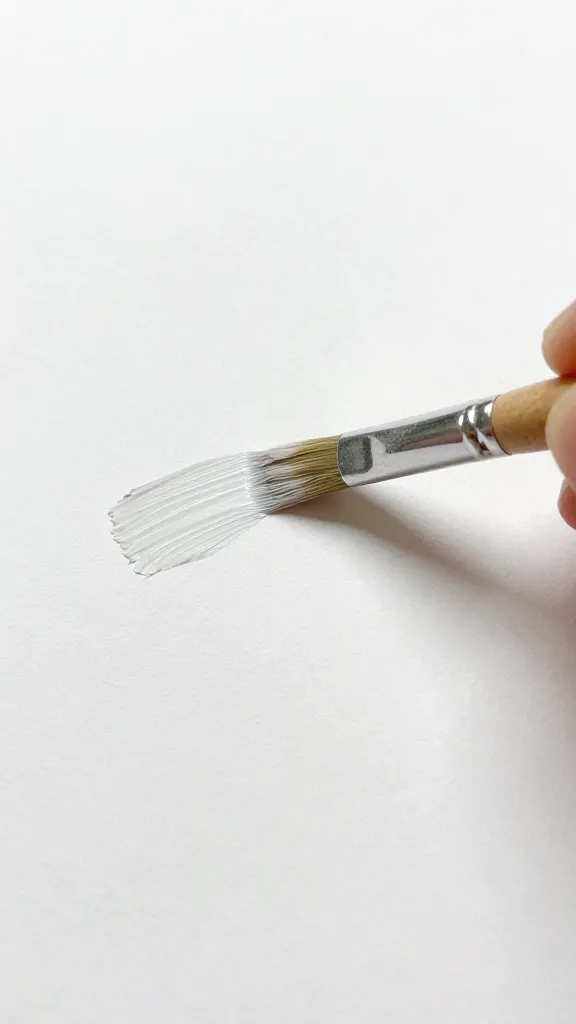
Strong prompts push kids to invent rather than imitate. Instead of “draw a house,” try:
- “Draw a house that could float on air. What keeps it up?”
- “Create a creature that uses three different textures.”
- “Design a map of your dream playground—what would you add?”
Open-ended prompts invite problem-solving and brag-worthy creativity without a single minute of frustration. And yes, you’ll get some wild answers—embrace the chaos.
Turn Mistakes into Masterpieces
The clumsy first brushstroke is the secret ingredient. Instead of sighing when a project veers off, lean in:
- Highlight the change: “Nice, you turned that line into part of a tree trunk.”
- Ask reflective questions: “What happens if you press harder here?”
- Celebrate experimentation: display the “try again” version with the final piece.
Mistakes become talking points, not failures. IMO, that shift alone makes kids fearless about trying new techniques.
Explore Materials Like Little Scientists
Arts-and-crafts time doubles as a mini lab. Let kids test materials and predict outcomes:
- Watercolor vs. tempera: who bleeds, who stays sharp?
- Texture tests: glue, sand, yarn—where do they feel most at home?
- Color experiments: mix primary colors to meet a target shade.
Document results with a simple “What I learned” card. It’s not about perfect color wheels; it’s about curiosity in action.
Structure Without Stifling: Routines That Help
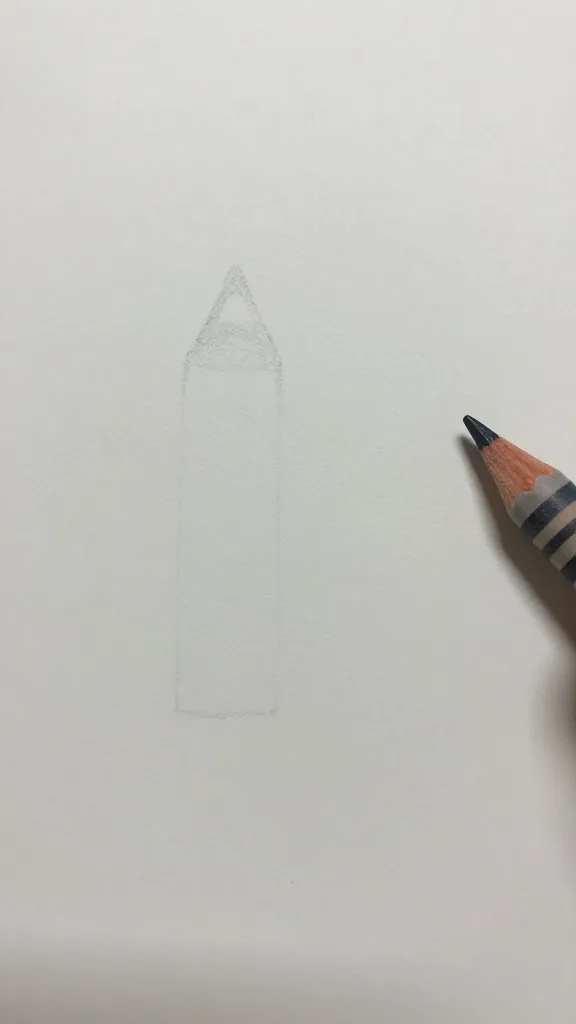
A little rhythm goes a long way. Try a predictable flow that still leaves room for surprise:
- Warm-up: a quick doodle or color swatch sprint (2 minutes).
- Main activity: hands-on project with a loose goal.
- Reflection: kids share one thing they learned and one thing they’d do differently.
Keep stations simple, rotate materials weekly, and watch attention spans grow. You’ll thank yourself later.
H3: Quick Activity Ideas to Try This Week
Shadow Portraits
Children trace their silhouettes at different times of the day, then color based on mood. It teaches perspective and emotion.
Texture Tiles
Create a mosaic using foil, fabric scraps, paper, and beads. Discuss how texture changes tone and feel.
Mini Comics
Pair drawing with storytelling. Students storyboard a 4-panel comic about a kid who learns something new.
What to Do with the Finished Artwork
The end isn’t just hanging things on a wall. It’s a doorway to reflection and pride:
- Show-and-tell gallery: a 5-minute rotation where each kid explains their piece.
- Artist’s statement: a one-liner about what they learned.
- Group critique, minus the critique: focus on what works and what they’d try next time.
The goal is to celebrate effort, not perfection. If kids leave thinking “I can improve this with more practice,” you’ve hit the sweet spot.
Incorporating Digital Art Without Drowning in Screens
Digital tools are amazing, but they can also steal away tactile joy. Balance is everything:
- Blend sessions: 80% hands-on, 20% digital to compare outcomes.
- Low-pressure digital drawing: one line, one shape, one color per slide.
- Printer-proof projects: create something that looks good both on screen and off.
Tech should amplify, not replace, the messy, magical vibe of kids’ art.
Assessment Without the Stress
Kids learn when assessment feels like feedback, not a quiz. Try:
- One-sentence growth goals: “Next time, I want to try thicker lines.”
- Progress murals: a wall where each child adds one new element over a few weeks.
- Peer feedback: simple prompts like “What color did you notice first?”
If you can narrate the progress with enthusiasm, you’ll hear fewer “I can’t”s and more “I did.”
Conclusion
Teaching art through kids’ activities isn’t about turning children into tiny Monet clones. It’s about nurturing curiosity, resilience, and a willingness to dive in even when you’re not sure how it’ll end. Let the process be the prize, not the product. When you keep things playful, open, and a tad messy, art becomes a language they speak with confidence. FYI, your future art room will be loud, colorful, and totally worth it.
FAQ
Why should I use open-ended prompts if my students always ask for directions?
Open-ended prompts give kids space to think and invent. They still want guidance, but with room to explore. You’ll get surprising solutions that you wouldn’t see with rigid prompts.
How do I keep materials organized without killing the vibe?
Set up simple stations, label each with a color or icon, and rotate weekly. A quick wipe-down ritual at the end keeps things tidy and ready for the next adventure.
What if someone finishes early or finishes the project ahead of others?
Offer extension options: add textures, create a companion piece, or write a short artist statement. Early finishers can mentor peers, which builds a collaborative vibe.
Is it okay to mix age groups in art activities?
Absolutely. Pair younger kids with older buddies for a collaborative project. Just tailor prompts and materials to be accessible for everyone involved.
How do I handle a child who says they can’t draw?
Reframe it as “I can’t draw this yet.” Provide accessible prompts, encourage tracing, and emphasize process over product. Celebrate small wins and spark curiosity with tactile activities that prove they have creative power.