7 Meaningful Earth Day Crafts for Classrooms
Earth Day is the perfect excuse to get kids crafting with purpose, and these seven ideas are designed to be fun, easy, and classroom-ready. You’ll love how each project looks, sounds, and teaches a tiny lesson about tending our planet. Trust me—these will be the activities your students actually remember long after the bell rings.
1. Upcycled Map Mural Wall Art
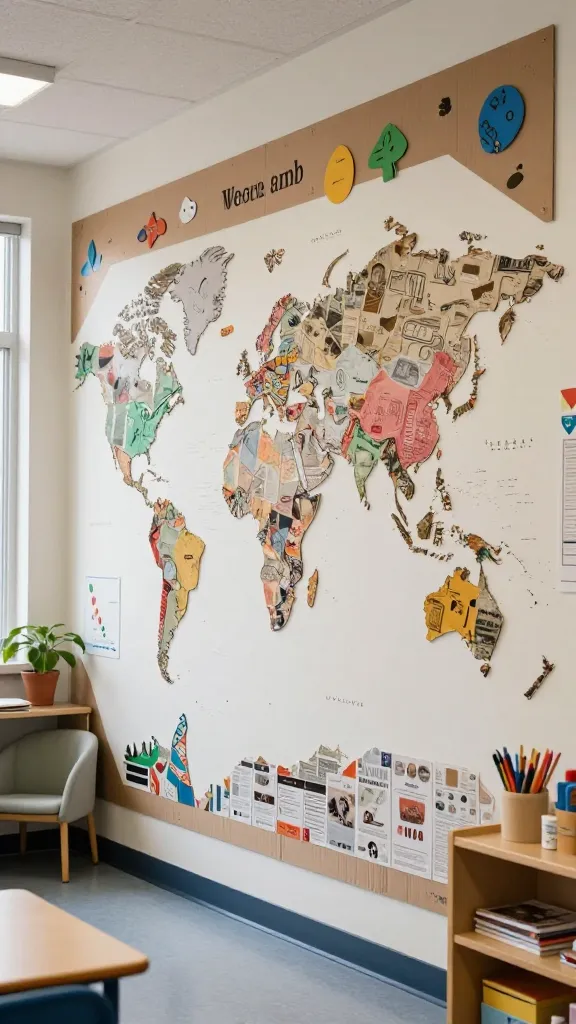
Imagine a vibrant wall that tells a story of our planet through upcycled materials. This map mural is playful, educational, and decorative enough to brighten any classroom corner. It’s a perfect way to visualize continents, oceans, and sustainable habits all at once.
Materials Needed
- Old magazines, gift wrap, and scrap paper
- Cardboard or thick poster board
- Glue sticks and white school glue
- Scissors
- Map-stencil or printed world map (optional)
How to Make It
- Cut large shapes from recycled papers to assemble a world map on the cardboard base.
- Use bold colors and patterns from the scraps to fill in continents and oceans. Create textures with tissue and fabric scraps for land, water, and borders.
- Label continents and key oceans with small handwritten tags or printable labels.
Pro Tips / Styling Ideas
- Hang it at student height so kids can point out places you’ve discussed.
- Add tiny “eco-habits” icons around the edge—bike lanes, recycling, tree planting—so the mural doubles as a mini classroom guide.
Who would love it or when to use it
Great for early geography lessons and Earth Day celebrations. This mural grows with the class as you add new facts or student-made annotations.
2. Seed Bombs for School Garden Heaven
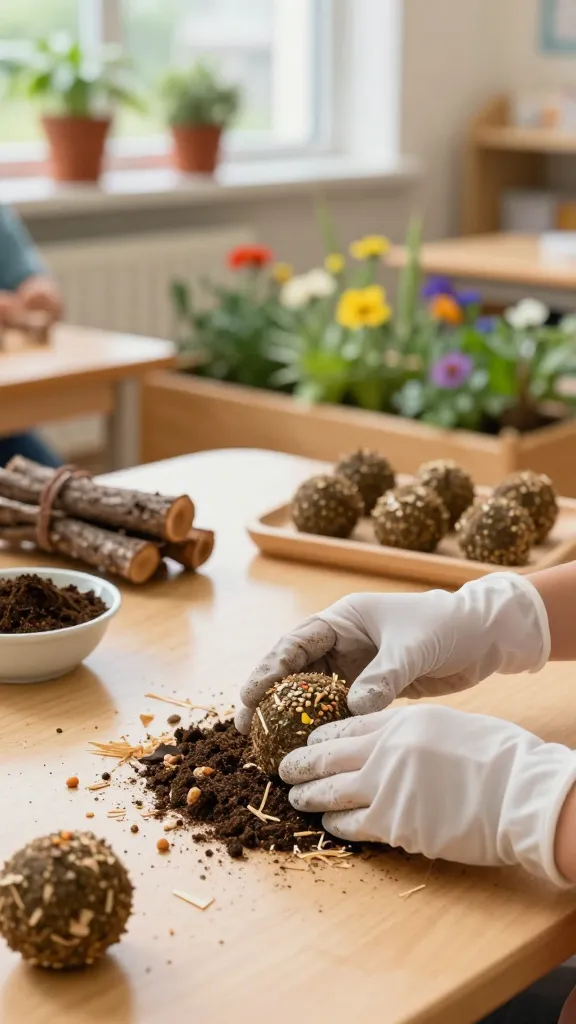
Seed bombs are small, joyful crunchy-balls—perfect for hands-on planting without fuss. This craft turns waste paper into edible soil-ready packets that sprout wildflowers, herbs, or vegetables. It’s eco-friendly and endlessly satisfying to toss into an outdoor bed or designated garden plot.
Materials Needed
- Paper scraps (newspaper, notebook pages, or junk mail)
- Compost or potting soil
- Seeds (wildflowers work well for pollinators)
- Water (a splash)
- Gloves (optional)
How to Make It
- Shred paper and soak until mushy. Squeeze out excess water.
- Mix paper pulp with soil and seeds until it forms a damp crumbly consistency.
- Roll into small balls and let them dry completely.
Pro Tips / Styling Ideas
- Use a little glitter-free sparkle with dried petals for visual appeal (no mess, just texture).
- Pack a few seed bombs into gift bags for Earth Day activity kits.
Who would love it or when to use it
Perfect for classroom gardens, nature clubs, or community planting days. Students learn about seed diversity and pollinators while contributing to a real garden.
3. Recycled Bottle Bird Feeders
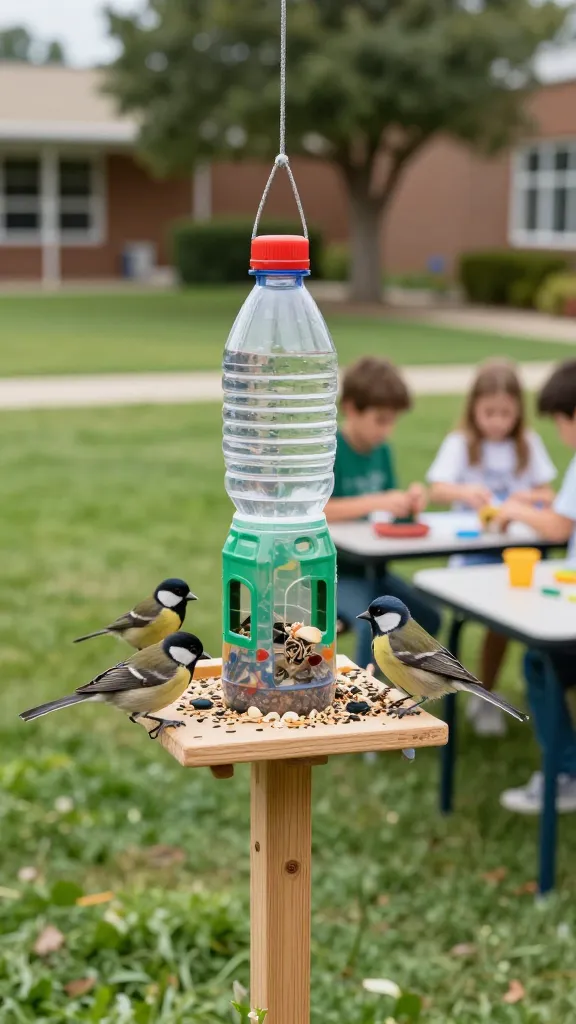
Turn plastic bottles into stylish, functional bird feeders that attract feathered visitors to the schoolyard. This project teaches reusing plastic and caring for local wildlife, all while giving kids a bright, functional item they can proudly display outside.
Materials Needed
- Empty plastic bottles with caps
- Wooden spoon or stick for perch
- Wire or string for hanging
- Birdseed and nesting materials
- Scissors or a craft knife (adult supervision)
How to Make It
- Cut small windows near the bottom for seed access (keep edges smooth).
- Insert a spoon through a side hole to serve as a perch.
- Fill with birdseed, cap it, and thread string for hanging.
Pro Tips / Styling Ideas
- Paint the bottle with weatherproof acrylics in earthy tones or bright patterns to attract more birds.
- Hang near windows so students can observe feathered visitors up close and journal their visits.
Who would love it or when to use it
Ideal for science journals, observation time, or a quick outdoor lesson about ecosystems and food webs.
4. Earth-Friendly Self-Watering Planters
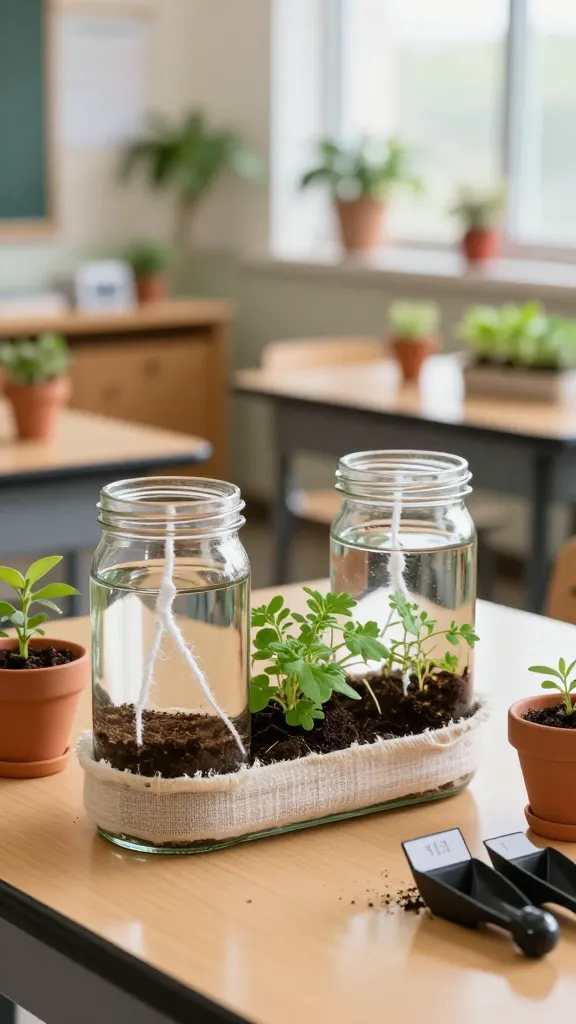
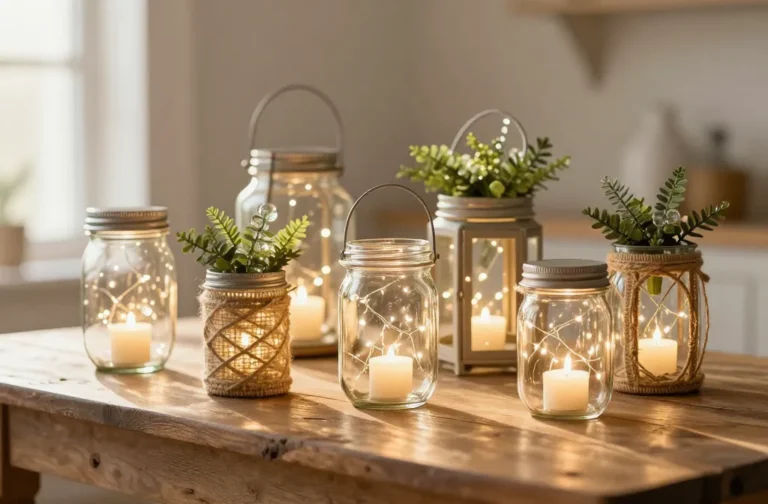
This project turns jars into stylish, self-watering planters that keep classroom greens thriving with minimal effort. It’s surprisingly chic, incredibly handy, and teaches kids about water cycles and plant care.
Materials Needed
- Glass jars or small terracotta pots
- Cotton cords or strings
- Water-wicking material (clean cloth or old t-shirt strips)
- Soil and small classroom-friendly plants or herbs
- Optional paint for decorating
How to Make It
- Fill the bottom jar with a shallow layer of water if using jars with two parts; wick water up through the string into the soil.
- Support the plant above with a second jar as a lid, so the wick sits between.
- Decorate the outer jar to suit your classroom vibe.
Pro Tips / Styling Ideas
- Label each planter with a plant’s name and its care tip for quick reference.
- Place in a sunny windowsill for maximum growth—students love watching the roots drink.
Who would love it or when to use it
Great for science corners, dyslexia-friendly labeling, and desk plants that require minimal care but maximum joy.
5. Paper Plate Ecosystem Dioramas
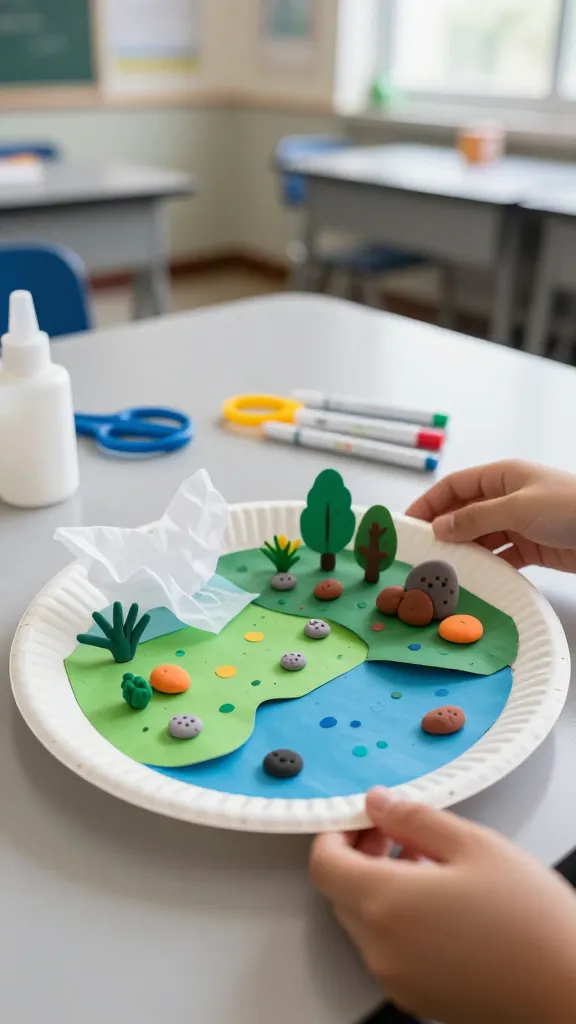
Bring a tiny biome to life with a hand-held ecosystem diorama. Students curate layers—water, land, air—using simple, recyclable materials. It’s tactile, imaginative, and a standout wall display that teaches biodiversity in a compact scene.
Materials Needed
- Plain paper plates
- Colored construction paper, tissue paper, magazine cutouts
- Glue, scissors, and markers
- Optional: miniature toy figures or clay creatures
How to Make It
- Layer a landscape by painting the plate or adding colored paper for land and water.
- Create forests, deserts, wetlands with tissue or paper scraps, then add animals or plants.
- Add a small label card describing the biome’s key traits and conservation tips.
Pro Tips / Styling Ideas
- Use a tray as a base so the diorama can travel between classrooms without tipping.
- Encourage students to swap diorama creatures to illustrate interdependencies.
Who would love it or when to use it
Perfect for close-reading prompts, science centers, and Earth Day storytelling stations.
6. Compostable Confetti Garden Cards
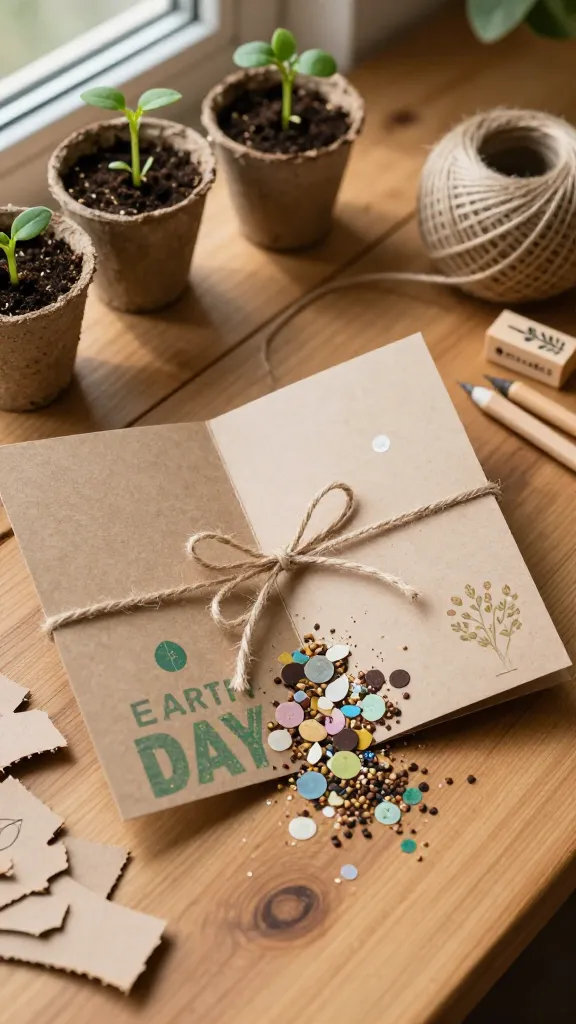
Make greeting cards that celebrate Earth Day and plantable seeds. The confetti is made from biodegradable paper bits, and the card itself doubles as a seed packet. It’s eco-friendly, adorable, and a thoughtful way to share the Earth-friendly spirit.
Materials Needed
- Recycled card stock or old greeting cards
- Seeds embedded in tiny biodegradable paper bits
- Twine or string for embellishment
- Clear stamp or pencil for message
How to Make It
- Cut the seed-confetti paper into card shapes or fold mini cards.
- Paste the seed bits into the corners or along the margin.
- Write a sweet Earth Day message and add a simple illustration.
Pro Tips / Styling Ideas
- Keep messages short and sweet—save the bigger notes for a class display.
- Pair the card with a small potted seedling for a gift bundle.
Who would love it or when to use it
Ideal for student gifts, parent-communication days, or a classroom seed-swap event around Earth Day.
7. Reclaimed Ribbon Rainbow Garland
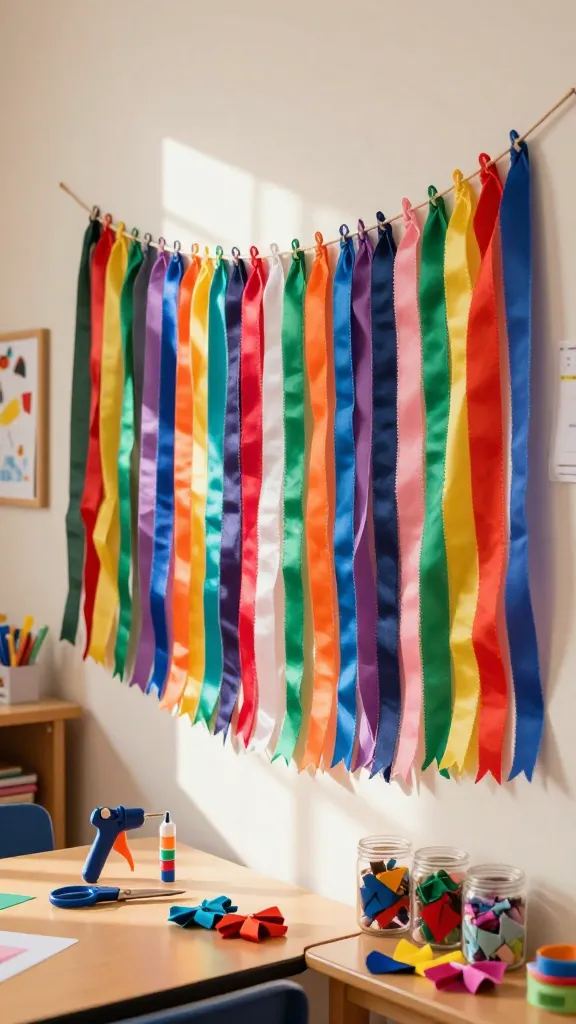
Turn scraps into a joyful ribbon garland that brightens the classroom while teaching the concept of recycling. This project is color-rich, tactile, and easy to customize for seasonal vibes and school colors.
Materials Needed
- Leftover ribbons and fabric scraps
- String or twine
- Scissors
- Glue or hot glue (adult supervision)
How to Make It
- Cut ribbons into uniform lengths.
- Tie or glue them onto the twine in a repeating rainbow sequence or a color-block pattern.
- Leave generous tails at ends for easy hanging.
Pro Tips / Styling Ideas
- Create a “bits of Earth” banner by adding tiny leaf shapes or seed icons between ribbon strands.
- Hanging the garland near a reading nook makes a cheerful, eco-friendly backdrop for Earth-themed stories.
Who would love it or when to use it
Festive for Earth Day assemblies, hallway displays, or classroom decoration refreshes after spring cleaning.
Conclusion
These seven Earth Day crafts are more than pretty projects—they’re tiny teachable moments about reuse, care, and curiosity. Pick one to start, or thrill your class by doing all seven as a week-long celebration. You’ll see creativity bloom, hands-on learning flourish, and a little spark of planet-loving pride in every student. Go ahead and get crafting—your classroom (and the Earth) will thank you.