8 Active Kids Activities for Kinesthetic Learners (Move & Learn)
Ready to channel all that energy into crafty wins? These 8 completely unique, high-energy projects are built for kinesthetic learners who learn best by doing, moving, and touching. Trust me, your little movers will glow with pride as they transform space and senses—one active craft at a time.
1. Motion-Powered Storyboard Race Track
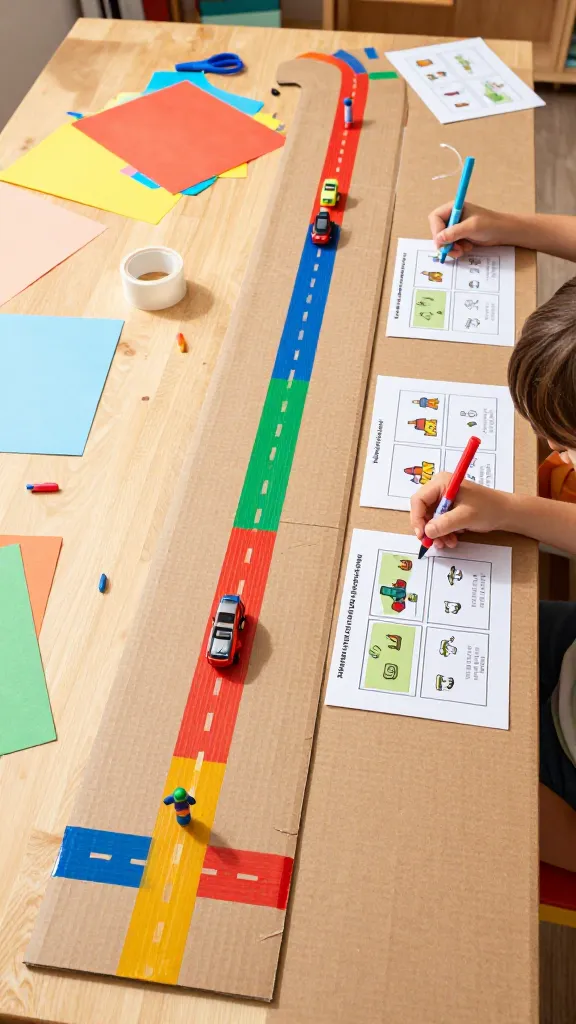
Imagine a DIY storyboard that doubles as a mini race track for tiny vehicles. Colorful paper, cardboard, and a dash of science collide into a storytelling sprint that invites kids to narrate, then drive, their way through a tale.
Materials
- Heavy cardboard or a foam board
- Colored cardstock, marker pens
- Mini toy cars or DIY peg people
- Masking tape, glue, scissors
- Index cards for story panels
How to Make It
- Lay out a long track on the cardboard. Use masking tape to mark lanes and a finishing line.
- Create story panels on index cards; each panel cues a scene or action.
- Decorate with bright colors and textures—dots, waves, and zigzags give it zing.
- Place panels at intervals along the track; kids move a car from panel to panel, telling the story as they go.
Pro Tips / Styling Ideas
- Use washi tape to create mini hills and ramps for extra movement.
- Laminate panels for durability and reuse—swap stories weekly.
End note: This one’s perfect for families who love storytelling, improv, and active play. A fantastic classroom center, too. You’ll love this for turning laps into literary adventures.
2. Jump Rope Alphabet Obstacle Course
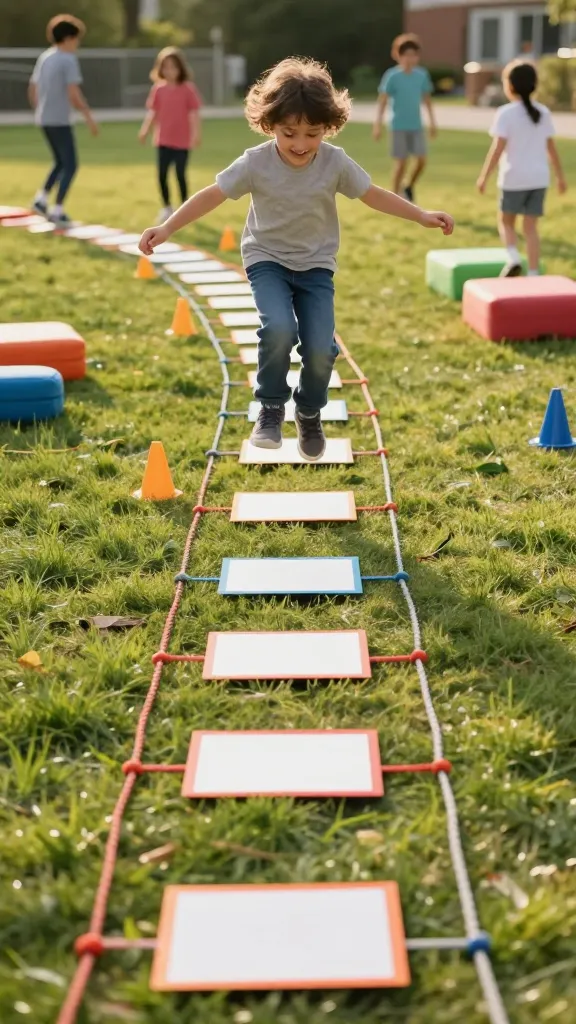
Turn a simple jump rope into an alphabet-powered obstacle course that makes letter learning kinetic and hilarious. It’s a cross between fitness and phonics—seriously satisfying to watch!
Materials
- Several jump ropes or string lines
- Index cards with uppercase and lowercase letters
- Cones or cushions to define stations
- Masking tape to set track boundaries
How to Make It
- Arrange jump ropes on the ground as stations. Place a letter card at each station.
- Kids hop along, landing on a card and calling out the letter sound, then perform a quick movement (spin, clap, or stomp) before moving on.
- Mix in quick word challenges at stations—“C” for cat, “D” for dog—spiraling into mini phonics games.
Pro Tips / Styling Ideas
- Use foam letter tiles for soft landings and easy loosening before the next hop.
- Create timed rounds to boost excitement and friendly competition.
End note: A blast for mornings, after-school sessions, or a playful classroom warm-up. Kids get steady cardio and letter mastery—win-win.
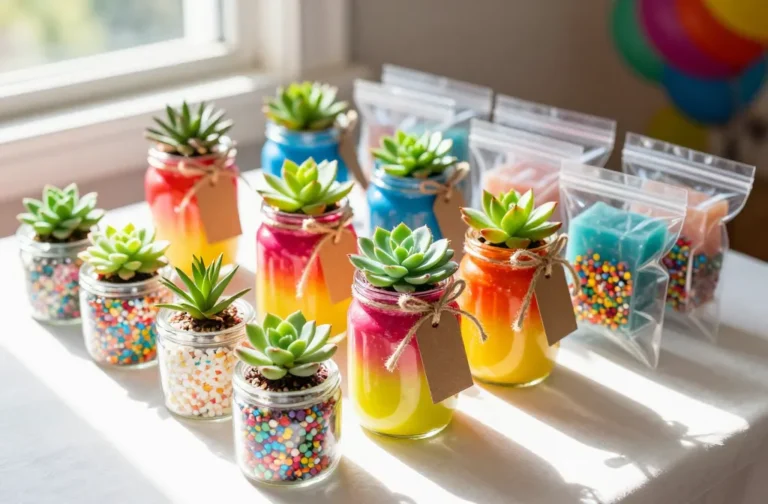
3. Sensory Garden in a Jar
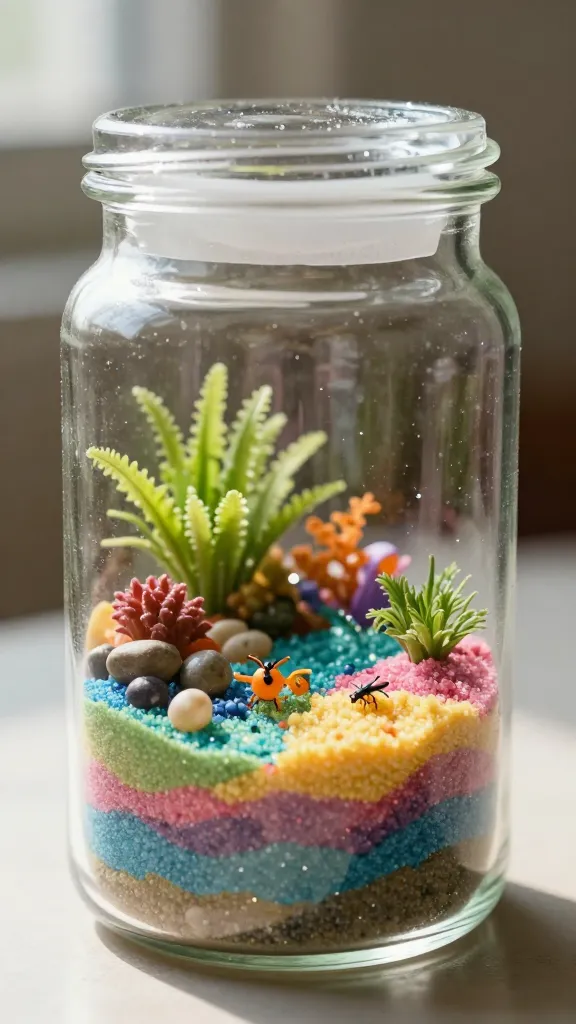
Turn a glass jar into a tiny, moving garden that kids can shake, fill, and explore with all five senses. This project blends science, garden lore, and tactile play into one sparkling, portable habitat.
Materials
- Transparent jar with lid
- Colored sand, tiny faux plants, pebbles
- Water, a pinch of glitter (optional)
- Mini toy insects or plastic critters
- Glycerin or clear glue (optional for slow movement)
How to Make It
- Layer sand, stones, and a few plants to create a micro landscape inside the jar.
- Drop in a couple of insects and cap it with a tight lid.
- Add a few drops of glycerin or a dab of glue to slow down movement when the jar is shaken.
Pro Tips / Styling Ideas
- Seal with decorative tape and add ribbon for a whimsical touch.
- Label the jar with the plant names learned, turning it into a learning exhibit.
End note: This is comfort-for-tots meets curiosity-for-kids. Great for calm-down corners or a decor piece that doubles as a mini science lab.
4. Texture-Track Creature Obstacle Course
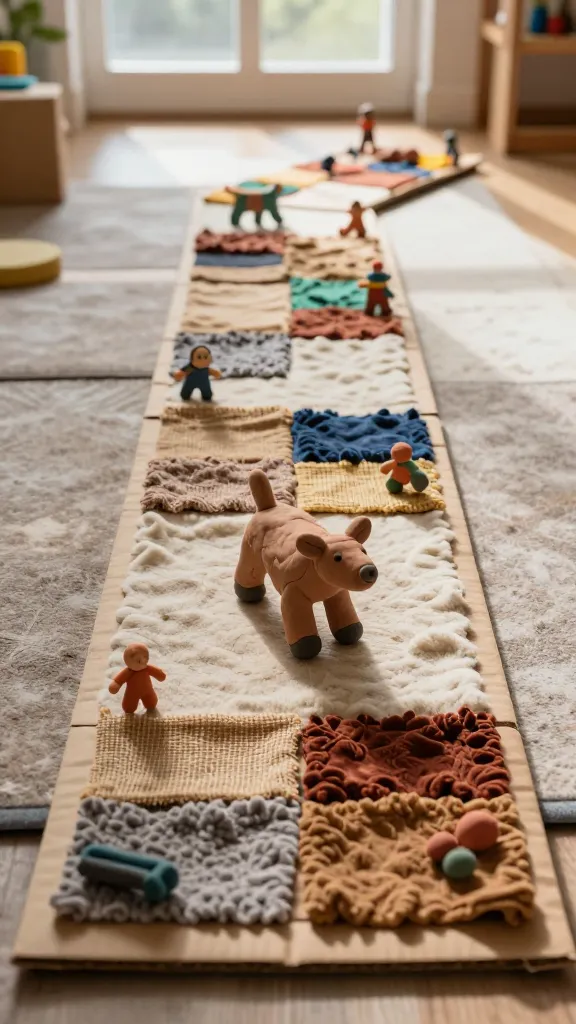
Design a tactile obstacle course that animals traverse across different textures. It’s a dynamic, messy-lovely way to explore sensory integration while sprinting between stations.
Materials
- Low-profile cardboard panels
- Fabric scraps with varied textures (fleece, burlap, velvet)
- Non-slip mats or felt pieces
- Small toy figures or clay animals
- Decorative glue and scissors
How to Make It
- Lay panels end-to-end to form a winding path. Glue textured fabrics in segments along the path.
- Place creatures at the start. Kids race them across the textures, describing what they feel with each step.
- Add color pops with markers or fabric paint for extra flair.
Pro Tips / Styling Ideas
- Incorporate a soft “grassy” section with green felt and a muddy patch with brown shredded paper.
- Use a timer to introduce friendly competition and boost motion.
End note: Perfect for sensory-friendly playrooms and classrooms. It’s a texture treasure hunt with a cardio twist—you’ll love the giggles and cheers.
5. Cardboard City Sprint Track
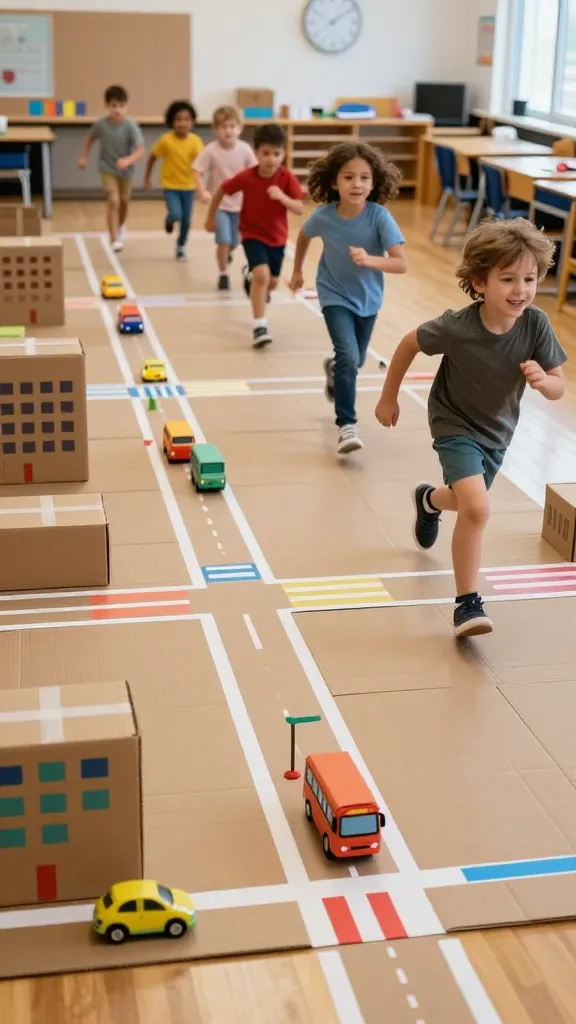
Create a kid-friendly sprint track that doubles as a tiny cardboard city. Think sidewalks, crosswalks, and a bus stop—all made from basic bits. The result is a fast, tactile tour through urban planning with a lot of running.
Materials
- Large flattened cardboard boxes
- Colored paper, markers, stickers
- Masking tape or painter’s tape
- Mini toy cars or DIY cardboard buses
- Optional: small clock or timer to pace runs
How to Make It
- Unfold boxes into a broad city map. Use tape to mark streets and crosswalks.
- Decorate buildings along the sides and create a bus stop zone—kids can pretend to race to the stop and back.
- Place cars at the edge and set a sprint route. Time each lap for a playful challenge.
Pro Tips / Styling Ideas
- Add landmarks like parks, markets, or a “library” block for imaginative play.
- Encourage kids to narrate the route as they zoom by—great for storytelling precision.
End note: A concrete (well, cardboard) way to combine physical activity with creative world-building. If your kid loves cities, they’ll adore this sprint through Blocks Town.
6. Hoop-Sling Target Toss
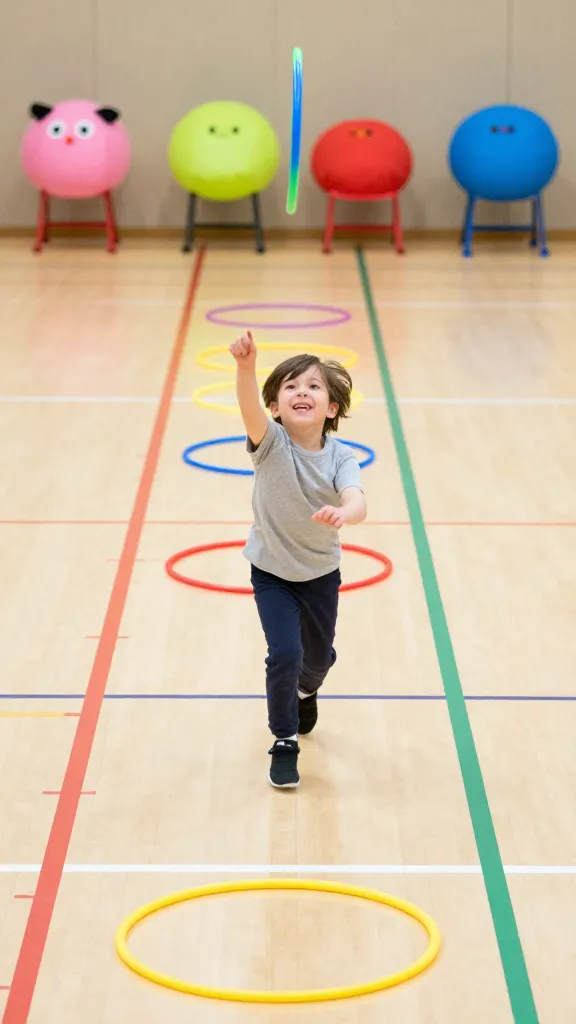
A fast-paced, colorful activity where kids sling soft hoops toward targets set at different distances. It’s all about aim, arousal, and a triumphant “I did it!” moment.
Materials
- Plastic hoops or ring-shaped cardboard cutouts
- Small soft targets (bean bags, plush toys)
- Colored tape to mark distances
- Chair or stand to hold targets
How to Make It
- Set up a series of targets at increasing distances. Use tape to indicate lines the hoops must pass beyond to count as hits.
- Kids toss hoops, aiming for the most points by hitting different targets.
Pro Tips / Styling Ideas
- Paint targets with fun animal faces for extra engagement.
- Introduce theme rounds—space, jungle, or underwater—to heighten imagination.
End note: Quick, energetic, and incredibly satisfying. Great for family game nights or backyard play; you’ll love the quick wins and cheers after each successful toss.
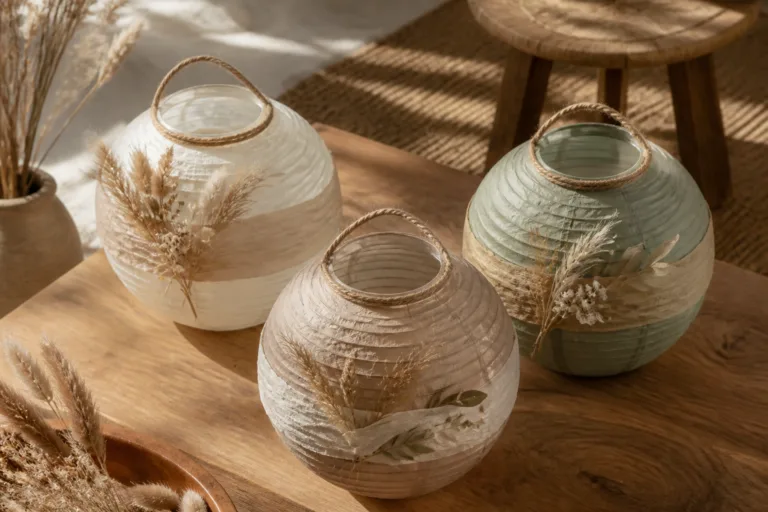
7. DIY Motion Lanterns
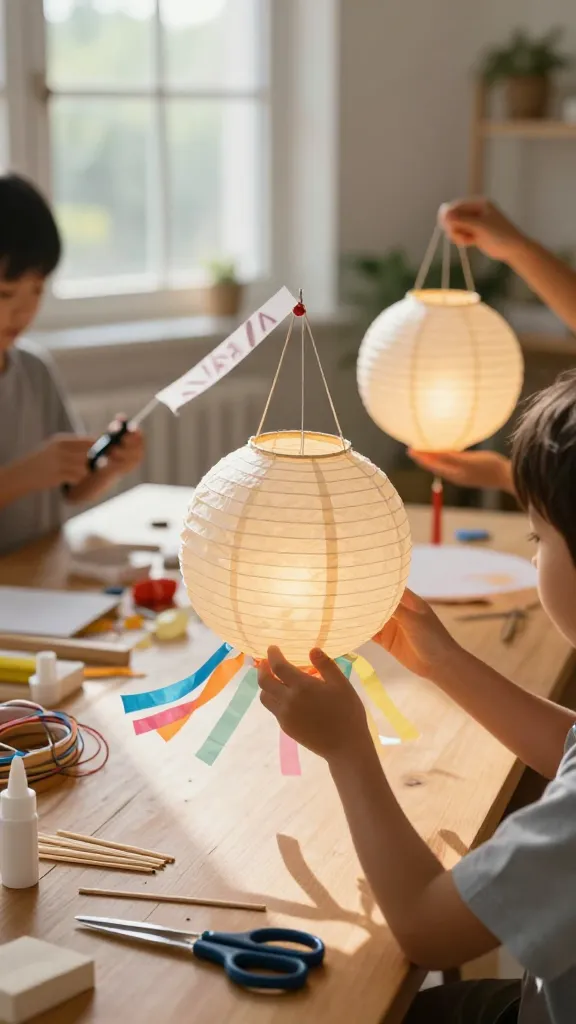
Turn simple lanterns into kinetic art with moving parts. A dash of wind, a hand crank, or a gentle shake brings these lanterns to life, creating a soft, mesmerizing centerpiece that kids can actively influence.
Materials
- Lightweight paper lanterns or jar lanterns
- Colored streamers, ribbons, or tissue paper
- Small wooden dowels or chopsticks
- String or cotton thread
- Glue, tape, scissors
How to Make It
- Decorate lanterns with streamers, then attach a moving element (a small banner or dangling ribbons) using strings tied to a dowel.
- Attach the dowel to the lantern so that a gentle twist or outward push makes the ribbons sway.
- Provide a mechanism for kids to hard-pan tilt and see the movement—no power needed, just motion.
Pro Tips / Styling Ideas
- Hang on a string in a playroom and let a fan gently stir the movement for a magical effect.
- Add glow-in-the-dark paint for nighttime shimmer.
End note: These lanterns are dreamy, playful, and entirely hands-on. They double as decor and interactive art, turning a simple room into a kinetic gallery.
8. Sock Puppets on a Stage
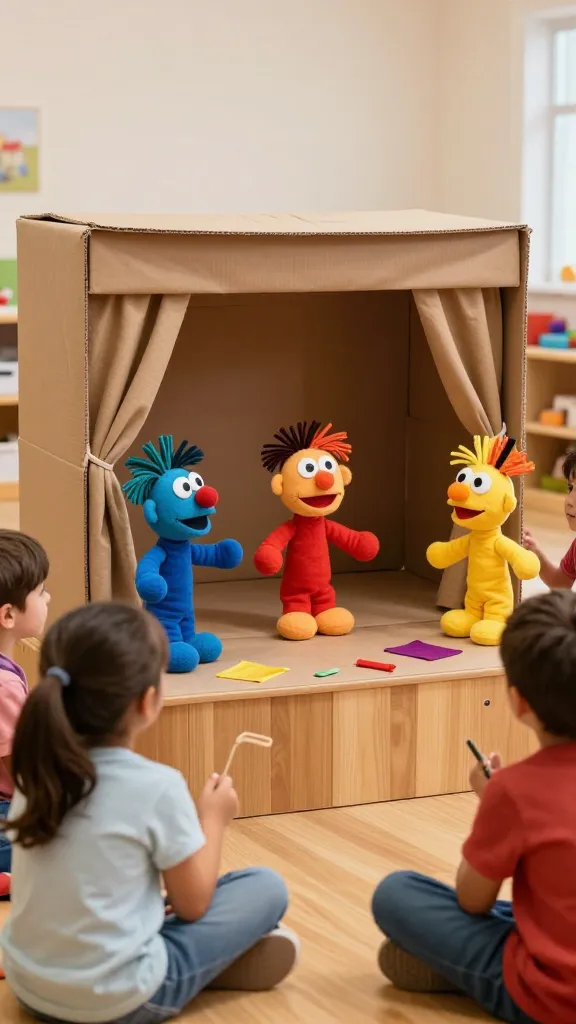
Bring tiny performers to life with a mini sock-puppet theater that doubles as an active story parlor. Kids move, perform, and learn through dramatic play—perfect for kinesthetic learners who crave action and improv.
Materials
- Old socks in bright colors
- Buttons, yarn, fabric scraps for features
- Cardboard box or curtain-dressed stage
- Glue, needle and thread (optional for durability)
- Pipe cleaners for arms
How to Make It
- Decorate each sock with eyes, mouths, and hair; create 2–3 characters with distinct looks.
- Set up a simple stage using a cardboard box cut to make a small theater opening.
- Kids perform short scenes, using the puppets to explain concepts or tell a story—move, speak, clap, and cheer between acts.
Pro Tips / Styling Ideas
- Put on a quick “audience” role with two wooden spoons as claps to celebrate each scene.
- Record a few mini-plays to watch later for memory and reflection.
End note: An all-ages favorite that’s easy to pull together, portable, and endlessly entertaining. Perfect for rainy days or a cozy family show night.
Conclusion
These eight crafts fuse motion, imagination, and tactile fun into eight unique, ready-to-play activities for kinesthetic learners. Each project is simple to assemble, vivid in color, and built for active engagement—no boring setup here. Pick one (or all eight) and watch kids move, learn, and shine with pride.