How to Set Up Indoor Kids Activities
Introduction
Starting indoor kid activities is not about reinventing the wheel—it’s about turning ordinary spaces into mini-adventure zones. You want engagement, not chaos, right? So let’s skip the doom-scroll and get writing with activities that spark curiosity, creativity, and just enough chaos to be memorable. FYI, a little planning goes a long way, and a splash of spontaneity seals the deal. Ready to transform your living room into a playground your kids actually beg to revisit? Let’s dive in.
1. Design a Crazy-Helpful Space
Kids bounce off walls for real reasons, so set up zones that channel that energy instead of fighting it. Think clearly labeled areas: a reading corner, a building block station, a pretend play nook, and a crafts table. Keep paths wide and clutter minimal so you can breathe and they can breathe too.
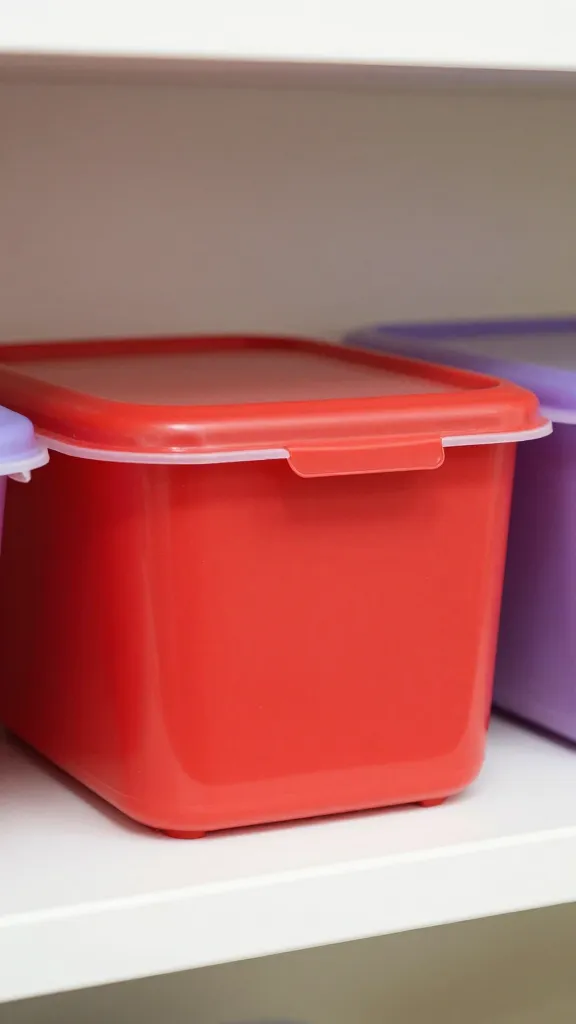
– Create kid-sized stations: shelves within reach, bins with lids, and easy-to-clean surfaces.
– Use color cues: red for active play, blue for calm reading, green for creative crafts.
– Add a “clean-up timer”: a fun sand timer or a playful chime to wrap up sessions.
Why it works—structure reduces scuffle and increases independence. If kids can find their stuff quickly, they’ll actually use it without your constant guidance. IMO, parents underestimate the power of a tidy, labeled space.
2. Pick Activities That Teach Without Feeling Like Work
The best indoor activities sneak in skills under the guise of play. Look for options that hit fine motor, gross motor, problem-solving, and social skills at once.
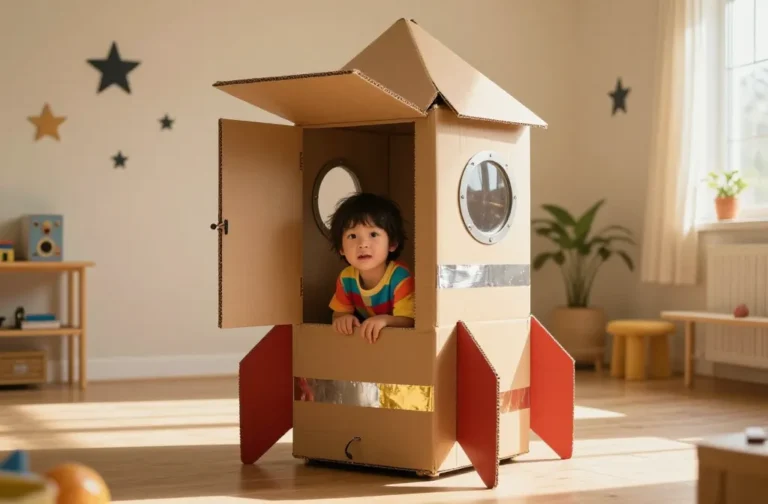
– Build-and-create stations: Lego, Magna-Tiles, or cardboard builders.
– Mystery bag experiments: fill with safe household items and guess what they do.
– Dress-up rotations: costumes that spark storytelling and role-playing.
Pro moves—rotate activities weekly so they stay fresh without requiring you to reinvent the wheel. FYI, kids love a “new” station every Monday, even if the core activity stays the same.
3. Schedule That Keeps Momentum, Not Burnout
A loose rhythm beats a rigid timetable. Build a day that includes short bursts of focus, then a reset activity.
– 20-minute focus blocks (high-energy activities), 5-minute transition breaks.
– A 15-minute mini-workshop: read-aloud, quick science demo, or a math puzzle.
– A wind-down free play window to end on a high note.
Tip—keep a simple visual schedule on the fridge. It helps kids anticipate what’s next and reduces “are we there yet?” energy. IMO, predictability is a friend, not a tyrant.
4. Craft Quick, Low-Prep Activities for Busy Days

Some days you need wins fast. These activities require minimal setup and deliver big smiles.
– Snack-time science: dissolve Effervescent tablets in water and watch fizz fizz fizz.
– Themed treasure hunts: hide color cards around the room with a small prize at the end.
– Indoor obstacle course: cushions, tape lines, and a target mat for jumping and balancing.
Subsection: Sensory Stations That Stay Clean
If sensory play is your jam, keep it mess-light with dry ingredients like rice or beans in open trays for scooping (supervised, of course). Add a wipeable mat and a spray bottle of water for quick cleanup. Your future-self will thank you.
5. Screen-Time Smarter: When to Include Tech
Tech isn’t the villain—intentional, curated screen time can be a valuable educator and babysitter when used well.
– Pick apps that encourage problem-solving, creativity, and collaboration.
– Use timers and co-play: work with your kid on a challenge; don’t park them in front of a screen and walk away.
– Create a tech toolbox: one app per session, plus a non-screen option as a fallback.
Reality check—if screens derail your mood or the house becomes a mess magnet, pull back and re-balance. FYI, moderation beats guilt.
6. Outdoor-Feeling Indoors: Bring the Garden Inside
Even if you can’t go outside, you can simulate nature indoors for curiosity and resilience.
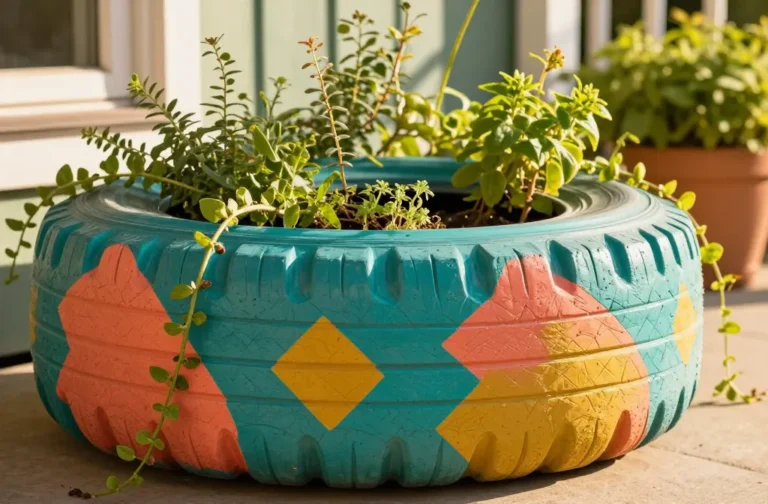
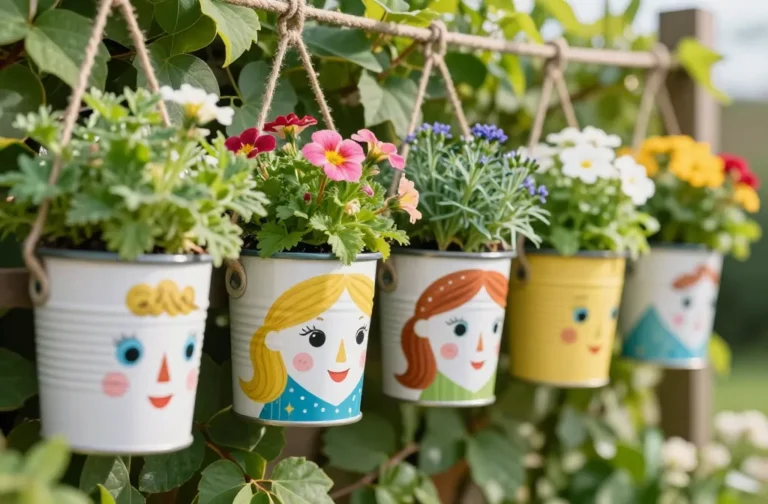
– Plant corner: small pots with herbs or sunflowers; let kids water and care for them.
– Nature sensory box: pinecones, leaves, shells, and safe textures to explore.
– Weather corner: a simple wind chime, a fan, and a thermometer to track daily changes.
7. Make It Social: Family Projects and Playdates
Indoor activities shine with a social spark. Short, structured group activities beat chaotic free-for-alls any day.
– Cooperative building challenges: work as a team to construct a city with blocks.
– Story circle: a round-robin storytelling game that grows with each child’s addition.
– Swap-and-share craft day: kids bring one simple project to trade with a friend.
Subsection: Healthy Boundaries for Shared Spaces
Agree on “quiet” and “loud” zones, and have quiet-down signals. A simple hand raise or a bell can save you from constant interruptions and “I want that” squabbles.
Conclusion
Indoor kid activities aren’t about endless ideas; they’re about smart setup, balance, and a sense of play that sticks. Aim for a space that invites kids to explore, fail, try again, and celebrate small wins. Keep things rotating, clean, and cheerful, and you’ll find you actually enjoy the chaos. If you stay curious and flexible, your home becomes a launching pad for creativity rather than a battleground. You got this.
FAQ
What if my space is tiny?
Start with one multi-use station and stack activities. Use vertical storage, folding mats, and clear bins so you can swap in seconds. Even small spaces can host big, imaginative play.
How long should indoor activities last?
Short bursts win: 15–25 minutes per activity with quick transitions. Adjust based on your child’s attention span and mood. If they beg for more, you’ve found a good rhythm.
What if my kid loses interest quickly?
Rotate activities weekly and introduce a “surprise” element every now and then. Sneak in a new prop, a fresh story prompt, or a tiny challenge to rekindle curiosity.
How can I involve siblings of different ages?
Choose activities with adjustable difficulty. Co-create projects where older kids lead a mini-lesson or demonstration for younger siblings. Pairing up creates accountability and teamwork.
Are there any safety concerns I should prioritize?
Always supervise and adapt activities to age-appropriateness. Use non-slip mats, child-safe scissors, and keep small parts out of reach for toddlers. Clean up regularly and store materials properly.