Yarn Vs. Embroidery: Cozy Showdown You Need Now
I’ve got a soft spot for yarn and a soft needle for embroidery, but let’s be real: they’re not the same vibe, even if they both end in a cozy finished piece. Yarn vibes like a comfy blanket; embroidery vibes like a tiny, detailed painting on fabric. Let’s dive in and figure out which one your inner craft craving actually wants.
What makes yarn so irresistibly cozy
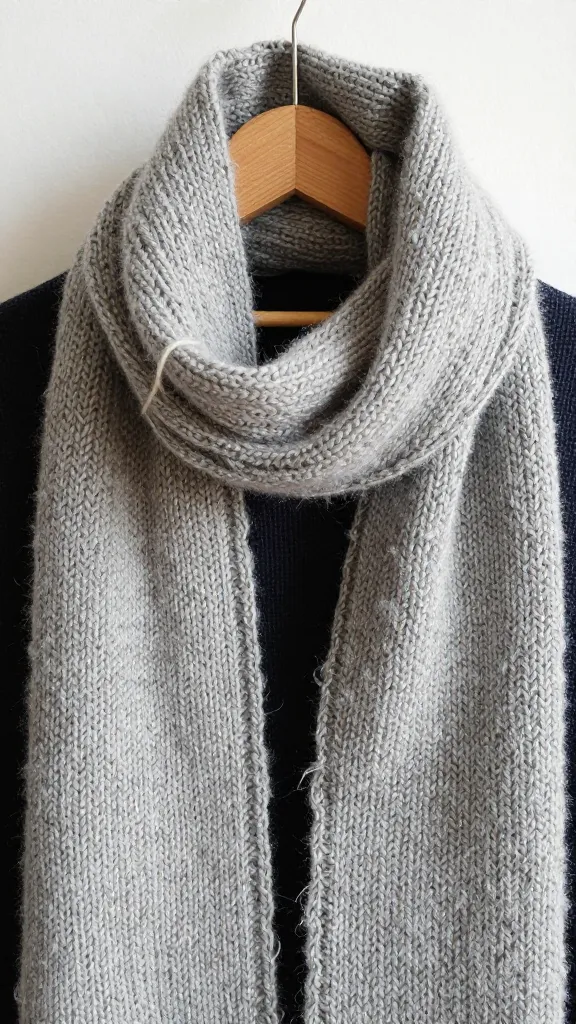
Yarn is the OG comfort hobby. It’s forgiving, it’s portable, and you can pick up a project and run with it without needing a whole studio worth of gear. You knit or crochet a scarf in a weekend and suddenly you’re a wizard of fabric. FYI, the best thing about yarn is how quickly you see progress, even if your tension is… adventurous.
– It’s forgiving: mistakes can be unraveled and tried again.
– Speed can vary: chunky yarn means chunky progress, tiny yarn means tiny, but meticulous wins.
– Variety rules: wool, cotton, acrylic, blends—the options are ridiculous, and so are the color combos.
What makes embroidery sing
Embroidery feels like painting with thread on a canvas you don’t suspect looks good until you step back. It’s precise, deliberate, and can turn a plain tote into a gallery piece. Embroidery demands patience, but the payoff is small, crisp details that thread-paint your story.
– It’s detail-oriented: tiny stitches, tiny victories.
– It’s surface-focused: fabric stays flexible, no bulky seams.
– The macro look is controlled: you decide how big or small the design grows.
Tools, itty-bitty differences, and getting started
If you’re brand-new, you probably want a shopping list that isn’t a novella. Here’s the quick version:
– Yarn path: a pair of needles or a hook, a notion of basic patterns, and a good pair of scissors.
– Embroidery path: embroidery hoop, embroidery floss or threads, an embroidery needle, and a water-soluble pen to sketch your design.
Starter-friendly quick setup
– For yarn: choose a bulky weight if you want quick wins; grab a size that matches your pattern, and a beginner-friendly pattern that uses simple stitches.
– For embroidery: start with a basic satin stitch or backstitch and a few simple motifs like leaves or initials. Keep waxy thread out of the teeth—nobody wants a snag-alarm.
Techniques at a glance: feel-vs-finish
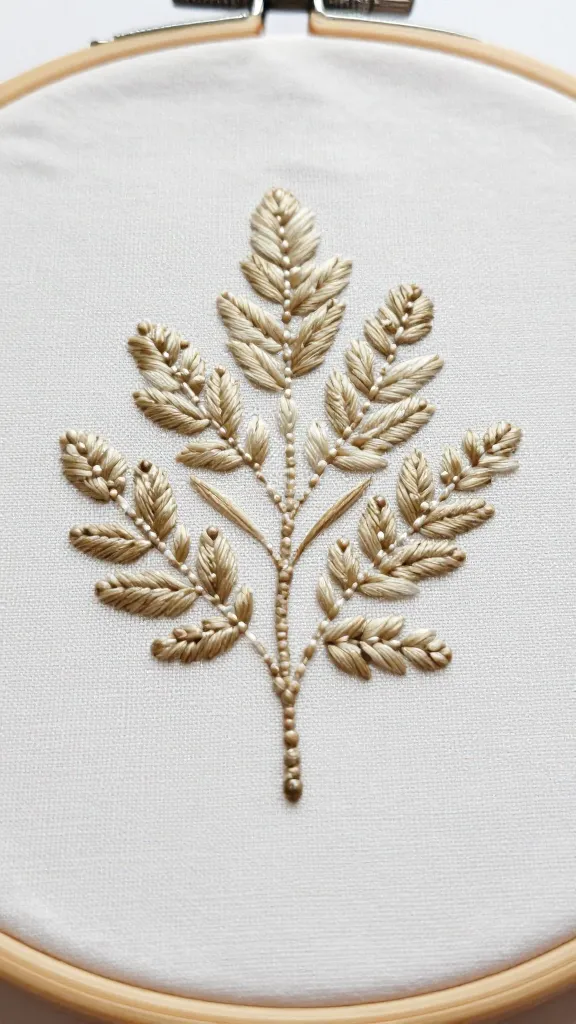
Here’s how the two worlds actually differ on the craft floor.
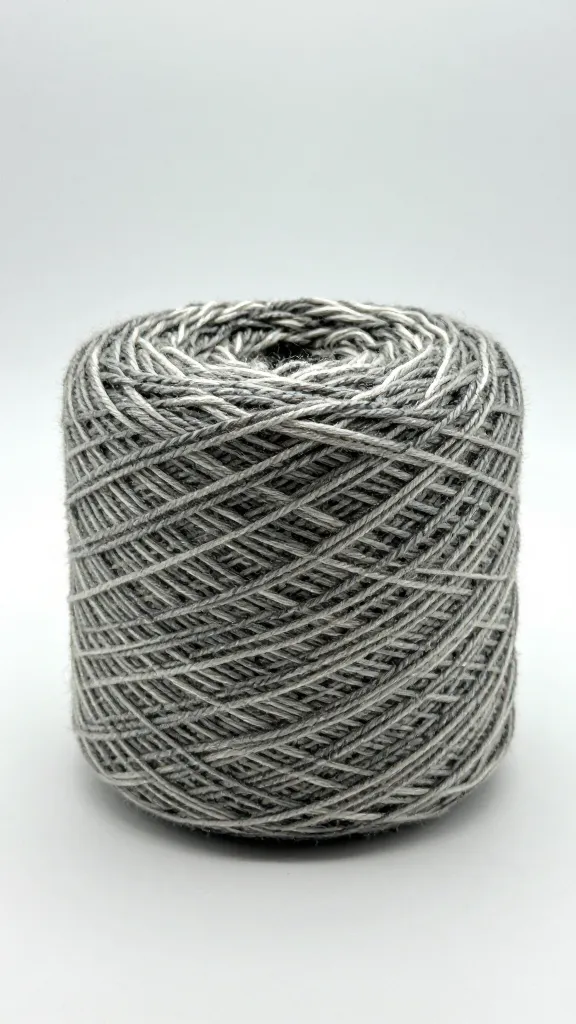
– Yarn techniques lean into repetition: garter stitch, stockinette, single crochet, double crochet. You end up with layers of texture that you can actually reach out and feel.
– Embroidery technique is about precision: backstitch for lines, satin stitch for filled shapes, French knots for dotty accents.
- Texture vs. texture: yarn pleases with plump, bouncy texture; embroidery pleases with smooth, tight lines.
- Durability: yarn projects can stand washing; embroidery can fade if you’re not careful with fabrics and dyes.
- Care: yarn often loves gentle washing; embroidery may require hand washing or fabric-safe precautions.
When to choose which technique
– If you crave warmth, heft, and a piece you can wear, yarn wins.
– If you crave detail that looks like a painting and a project that lies flat, embroidery wins.
Where the projects start to differ in practice
– Garments and blankets often come from yarn. They’re soft, flexible, and forgiving as you learn tension.
– Wall art, patches, and subtle accents typically come from embroidery. They showcase precision and can be framed or sewn on fabric with a permanent pop.
The big questions people ask at the fabric store
– Do you need to be a math whiz for either one? Not really. Patterns guide you; you just have to follow the steps.
– Is one easier for beginners? Both have forgiving moments. Yarn is usually faster to see progress; embroidery can feel instant if you pick simple shapes.
– Are there common mistakes? Knots and pulled threads can drive you nuts in embroidery; dropped stitches are the nemesis of beginners in knitting or crocheting.
Common beginner misfires—and how to avoid them
– Yarn: tension horror stories—practice with a ball of scrap yarn first, not your final project.
– Embroidery: pulling too tight on stitches can distort fabric; keep a light touch and test on scrap fabric.
Project ideas that feel doable for a weekend
– Yarn: a chunky scarf, a cozy mug warmer, a simple beanie.
– Embroidery: a small floral hoop, a cute phrase on a tote, or a decorative patch for a jacket.
Pop-your-second-project ideas
– Try a combined project: embroider a simple motif onto a hand-knit patch. It’s a satisfying crossover and doubles as a fun challenge.
– Create a sampler: mix a few stitches in embroidery on a small square, then stitch the square onto a scarf or tote.
What I actually end up using and why
I flip between the two depending on mood and project goals. If I want warmth and a quick win, I grab yarn and a simple pattern. If I want control, color precision, and a display piece, embroidery gets the call. IMO, a crafty person should diversify—stitching up a storm with both makes you more versatile and resistant to boredom binge-watching.
– Pro tip: stash both in the same craft corner so you can switch mid-project when your brain craves something different.
– FYI: you don’t need every tool under the sun. A few good, reliable basics go a long way.
Conclusion
Yarn and embroidery each bring their own kind of magic to the table. Yarn gives you warmth, texture, and comfy progress that you can wear or snuggle under. Embroidery gives you precision, color, and tiny, gallery-worthy details. The best choice isn’t about which is objectively better; it’s about which vibe you’re chasing today. So pick your mood, grab your gear, and dive in—your hands will thank you either way.
FAQ
Is it possible to combine yarn and embroidery in one project?
Absolutely. People do it all the time. You can crochet or knit a fabric panel and then embroider on top for details. It’s a fun mix of textures and techniques, and it keeps things fresh.
What beginner-friendly project should I start with for each?
For yarn: a chunky, gauge-friendly scarf or a simple crochet scarf. For embroidery: a small floral hoop or a stitched initial on a tote. Both give quick wins and build confidence.
Do I need expensive gear to start?
Nope. Start with basic, budget-friendly tools. You’ll likely upgrade as you go, but you can begin with just a few needles, some yarn, or a starter embroidery kit.
How do I care for finished embroidery versus finished yarn items?
Embroidery on fabric often needs gentle washing or hand washing depending on the thread. Yarn items like sweaters or blankets usually tolerate machine washing, but check the fiber and pattern instructions to avoid surprises.
What’s a fun way to practice without committing to a big project?
Do a stitch sampler for embroidery or swatch a few stitches for yarn. It’s low-pressure and you’ll learn a lot about tension, color work, and fabric behavior. Plus, it’s satisfying to fill a tiny page with patterns.
If you want more tailored ideas, tell me your favorite colors or the kind of fabric you obsess over, and I’ll sketch out a mini plan for both yarn and embroidery projects you’ll actually finish.