5 Craft Ideas Kindergarten
Aww yeah, kindergarten crafting time! If you’re chasing ideas that are fun, quick to set up, and actually doable with tiny hands, you’re in the right spot. We’re talking five crafty ideas that feel like play and learning had a baby. You’ll get messy, you’ll smile at the chaos, and you’ll probably end up with a fridge full of masterpieces that look suspiciously like a rainbow threw up on cardboard. Let’s dive in and keep it simple, friendly, and totally doable for grown-ups without a Pinterest-perfect studio.
1. Texture Treasure Boxes
What kid doesn’t love feeling different textures? Texture treasure boxes turn a calm-down moment into a mini adventure. Here’s how to pull it off without turning your living room into a science lab.
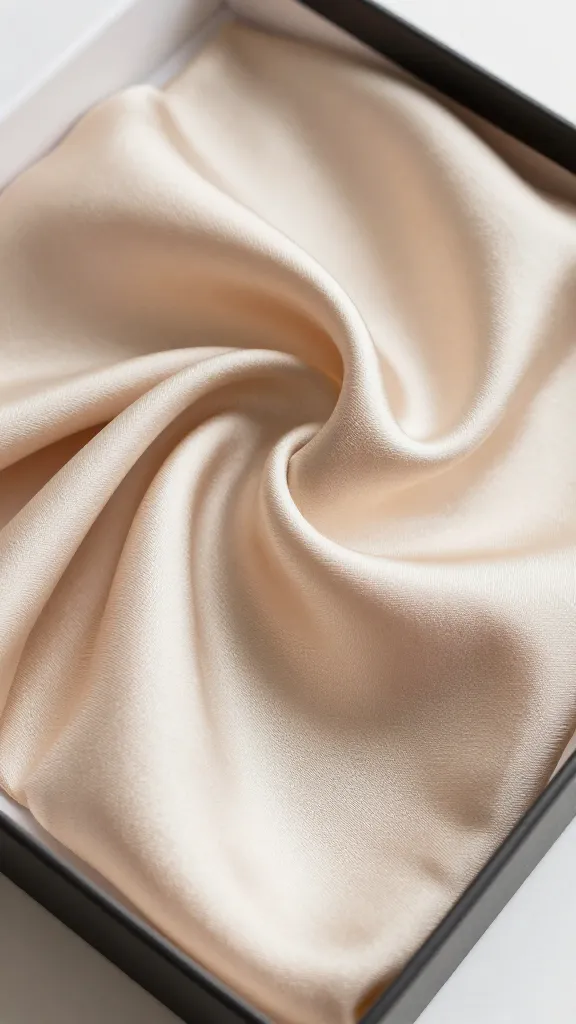
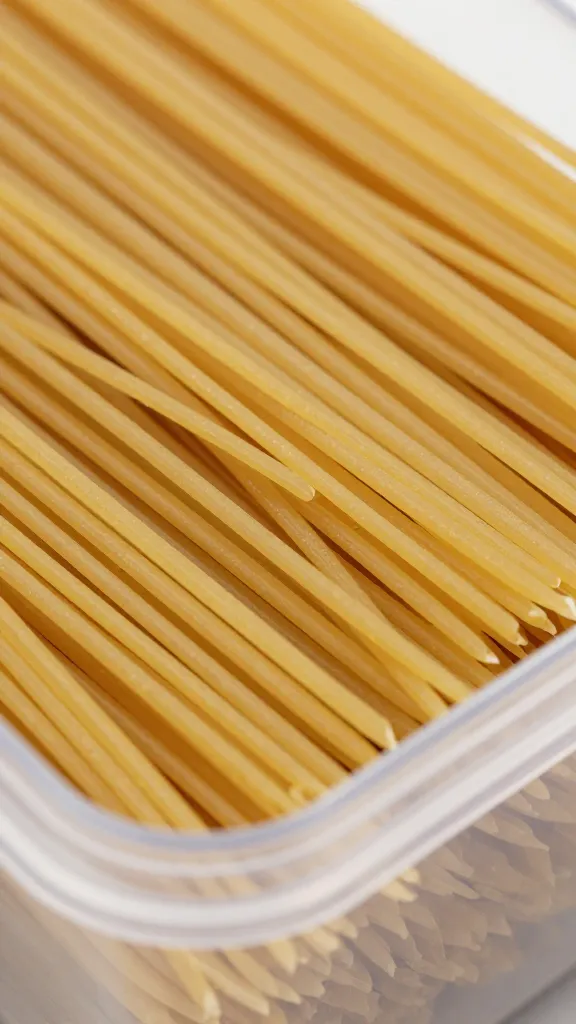
– Gather small items with varied textures: silk fabric scraps, sandpaper (super fine), cotton balls, foil, pom-poms, or dried spaghetti (safe, dry, and paint-friendly if you want).
– Choose a sturdy container for each child: a shoebox, a plastic bin, or a sturdy paper bag works.
– Add a simple prompt card: “Find something soft, something rough, something shiny.”
What’s the point, you ask? Fine motor strength, sensory exploration, and vocabulary building. Kids describe what they feel, you nod like you totally understand the difference between “slimy” and “grainy,” and you both win.
Subsection: How to keep it fresh
– Rotate the items weekly so the box stays exciting.
– Let kids trade items with a buddy for a mini social-skill moment.
– Snap a quick photo and chat about how each texture makes them feel.
2. Paper Plate World Tour
Paper plates are not just for bored afternoons. They’re budget-friendly passports to creative landscapes. Ready for a globe-trotting craft that fits in a snack-sized box?
Steps:
– Pick a simple scene: a sunny beach, a forest, or a city skyline.
– Use markers, paints, and scraps of colored paper to build the scene on the plate.
– Add details with googly eyes, yarn for waves, or foil for water reflections. Yes, foil is basically metallic magic for little hands.
Why this rocks: it’s quick, mess-light, and you can squeeze in a geography mini-lesson (even if it’s just “this plate is the United States because it has a lot of colors”).
Subsection: A tiny challenge
– Try a plate that represents a mood instead of a place—like “sunny day” with bright yellows and oranges. Ask, “What would you see if you woke up in this mood?”
3. Nature Collage Creations
Nature crafts are the OGs of kindergarten art. They encourage exploration, balance, and a little outdoor time before nap time chaos. Here’s a light, doable approach.
– Collect a handful of simple items: leaves, small sticks, pinecones, petals, and pressed flowers.
– Provide a sturdy sheet of construction paper or a canvas board.
– Glue on the items in a loose, intuitive arrangement. Don’t overthink it—nature doesn’t come with a blueprint.
Add a spritz of color with safe, washable paints or markers, and you’ve got a nature collage that’s as unique as each kid. FYI, this one doubles as a sneaky science moment: talk about why leaves change color, or how pinecones open and close with humidity.
Subsection: Display ideas
– Create a rotating “nature wall” in the classroom or at home.
– Laminate the collages to turn them into seasonal placemats—your future dinner table will thank you.
4. Self-Portrait Evolution
Self-portraits spark self-awareness and fine motor control, plus they’re irresistibly goofy. The trick is to keep it simple and fun.
What you’ll do:
– Start with a large piece of paper and a full-length, friendly mirror or a photo of each kid.
– Offer big markers, crayons, and a few silly accessories (pompoms, wig pieces, hats) to decorate the portrait.
– Encourage exaggeration: “Make your eyes super big if you’re excited today.”
This isn’t about perfection; it’s about noticing features, practicing lines, and celebrating each kid’s unique look. The best part? They’ll proudly compare their “before” and “after” versions and laugh together.
<subsection: Scaling complexity
– For a little more depth, introduce color mixing by adding a small paint tray and asking kids to recreate their skin tone using primary colors.
– Mount portraits on a string with clothespins for a goofy “gallery” display.
5. DIY Story Dice
Storytelling meets tactile play with DIY story dice. It’s a fantastic way to boost language, imagination, and narrative structure without a single heavy tome.
What you need:
– Cardstock dice templates or old wooden blocks if you’ve got them.
– Draw simple icons on each side: cat, spaceship, tree, smiley, sun, rain, etc.
– A starting prompt card like “Today I found a…”
How to play:
– Each kid rolls a die and uses the icon to generate a sentence or a mini story.
– Keep it short and snappy: 1–2 sentences per roll.
– Let them illustrate a frame of their story on a separate sheet.
Parent/teacher tip: switch up the themes—seasonal adventures, daily routines, or silly “superpower” stories. It keeps it fresh and reduces the “I forgot what I was going to say” blues.
6. Optional Bonus: Busy Bag On-The-Go
If you’re racing the clock between snack time and pickup, a tiny, curated busy bag can save you. Keep it simple and portable:
– A tiny, zippered pouch with a few folded paper games, a mini coloring book, a few stickers, and a tiny glue stick.
– A tiny notebook for drawing, with a pencil tucked in.
The secret sauce: low mess, high engagement. FYI, kids love the independence of choosing their own activity while you herd the crew toward the door.
Conclusion
Crafting with kindergarteners isn’t about making perfect art; it’s about making moments. Moments where little minds explore, imagine, and learn through hands-on play. Keep it light, keep it flexible, and don’t fear a little chaos—it’s basically part of the process. If a project turns into a hilariously chaotic mess, you’ve probably hit a sweet spot. Enjoy the giggles, the glue sticks that vanish into a black hole, and the proudness that glues everything together.
FAQ
How do I fit these crafts into a short school day?
Crafts can be short, sweet, and effective. Plan for 15–20 minutes of craft time, followed by a quick cleanup and a 5-minute reflection chat about what they made and learned. Quick transitions beat long, messy setup.
What if my child isn’t into messiness?
Offer “low-mess” options and prep a dedicated space. Use washable paints, dry media like crayons, markers, and stickers. You can also do a dry-fix approach: use glue sticks instead of liquid glue to cut down on drips.
Are these activities safe for toddlers as well as kindergartners?
Most ideas scale nicely, but always supervise. For tiny tots, swap in larger, chunky materials, and avoid small pieces that pose choking risks. Safety first, chaos later.
Do I need fancy supplies to pull this off?
Totally not. These ideas thrive on everyday stuff: paper plates, construction paper, glue, scissors (kid-safe), and whatever nature brings in from the yard. FYI, the best crafts often come from what you already have.
How can I make these activities inclusive for kids with different abilities?
Offer multiple entry points for each activity: simple, medium, and advanced. Use adaptive tools when needed and celebrate every little win. The goal is participation, not perfection.
What’s a great way to display the finished crafts?
Create a rotating gallery: string up a line with clothespins, tape pieces to a wall with removable tape, or set up a small “mini-exhibit” shelf. Rotate weekly to keep the excitement alive.