How to Paint Terra Cotta Pots: Brighten Your Outdoor Vibe
If you’ve ever looked at a terra cotta pot and thought, “I could totally jazz you up,” you’re not alone. Pots deserve a little personality, too. Let’s skip the boring beige and dive into colors, patterns, and simple tricks that make your pots pop.
Pick the right pot, then pick a plan
Choosing the right surface matters as much as choosing your color. Terra cotta is porous, which means it drinks up paint like a thirsty plant parent at a smoothie bar. Plan on at least two coats of paint, and seal the deal with a glaze or sealant later.
– Start with clean pots. Wipe off dust, let them dry completely, and give them a quick scrub if they’ve seen garden drama.
– Decide between bold solid colors or patterns. Both work, just know which vibe you’re chasing.
– Consider weather. If your pots live outside year-round, pick outdoor-safe paints and sealants. FYI, some indoor acrylics fade in sun—hello, DIY fade-out.
What paints actually stick to terra cotta
You want paint that sticks, doesn’t peel, and dries reasonably fast. Here’s the short version:
– Use acrylic paints for color. They’re forgiving and easy to layer.
– Prime if you’re going for a dramatic color shift or pale shades. A gesso-like primer works, or a simple white acrylic primer.
– Seal with a clear, weather-resistant topcoat if the pot will live outside. A water-based sealant keeps things flexible and less prone to cracking.
Pro tip: pre-treat the surface
If the pot has a rough texture, sand lightly with fine sandpaper. Wipe away dust, then prime. It’s not glamorous, but it saves you from chipping color off with your fingernail.
Decide on a design vibe
Are you feeling polka dots, stripes, geometric chaos, or a hand-painted scene? Your vibe guides the technique, so pick one and roll with it.
– Solid color block: Clean, modern, timeless. Two coats, then a contrasting rim color can look sharp.
– Patterns: Tape is your friend. Use painter’s tape for crisp lines, or freehand for a more organic look.
– Hand-painted motifs: Ferns, sun rays, or tiny faces—go for it. Use a fine brush and a steady hand, or a toothpick for tiny details.
Color psychology (optional but fun)
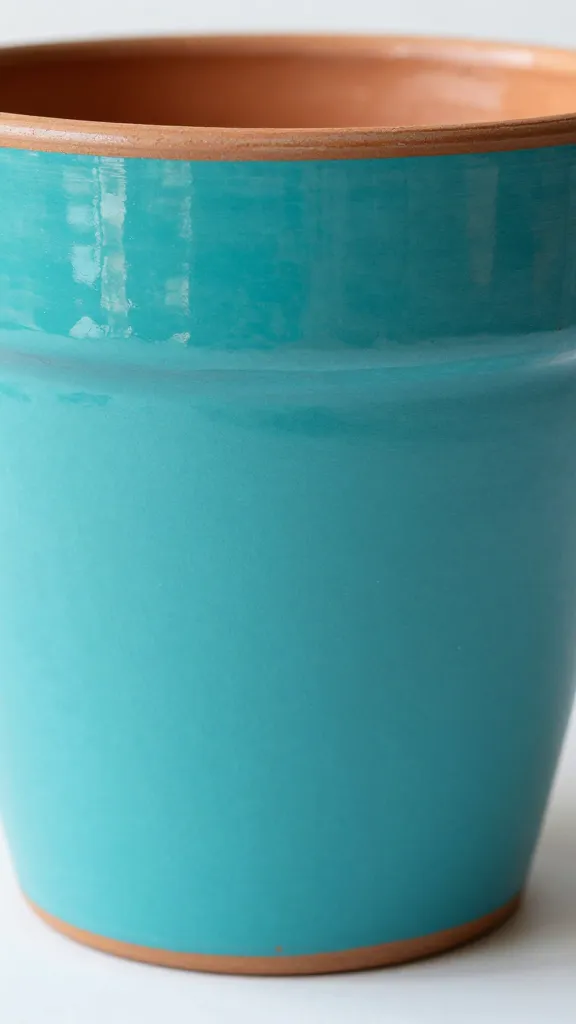
If you’re undecided, think about what you want the pot to say. Calm and grounded? Deep olive or soft terracotta with cream accents. Fun and bold? Bright teal with sunny yellow rims. IMO, contrast sells.
Techniques that actually look good
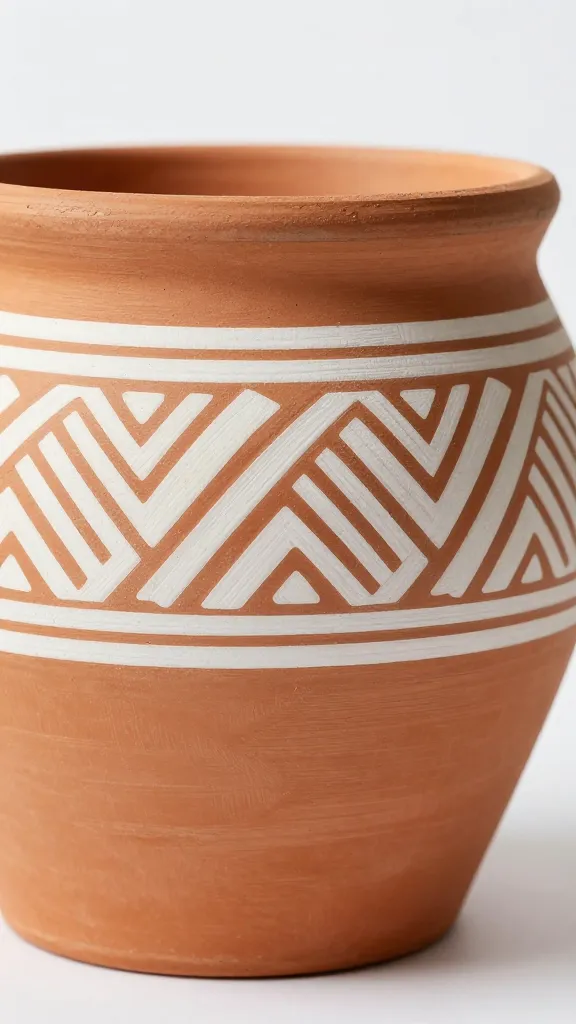
Let’s break down a few practical approaches you can try this weekend.
– Solid base with a pop rim: Paint the whole pot one color, let dry, then add a contrasting color on the rim. Simple, chic, timeless.
– Stripes that don’t look DIY-rushed: Use painter’s tape to section off horizontal or vertical bands. Don’t press the tape too hard—you want clean edges, not a jagged disaster.
– Stencil patterns: Lightweight stencils work well on terra cotta. Tap paint on with a sponge, not a brush, to avoid seeping under the stencil.
– Dots and speckles: Dip a sponge into paint and dab it randomly for a speckled look. It’s forgiving and modern.
– Freehand motifs: A tiny leaf, a sun, or a smiley face—these little touches bring personality. A steady hand helps, but quirky wobbles can be charming too.
Layering for depth
Start with a base color, let it dry, then add a contrasting color in highlights or shadows. This gives your pot depth without needing pepperoni-level precision.
Sealing and protecting your artwork
Paint is cute, but protection makes it last. Terra cotta loves to breathe, so sealants matter.
– Choose a clear sealant intended for outdoor use if your pots live outside.
– Apply in thin, even coats. Two light coats beat one heavy coat that risks peeling.
– Let it cure fully before potting soil against it. That means patience, not finger-trying-to-dry-in-5-seconds.
When to re-seal
If you notice peeling, peeling, or a chalky feel, it’s time for a refresh. Outdoor pots usually benefit from a yearly sealant check.
Care tips for longevity
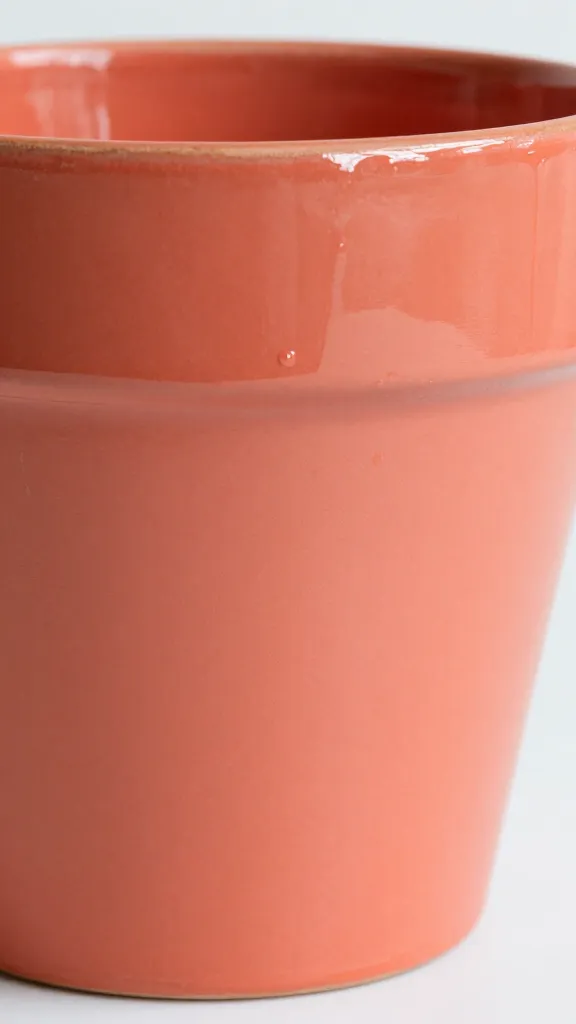
Your painted pots deserve a good life, not a dramatic rock-bottom. Here are easy tips to keep them looking fresh.
– Clean gently. A soft brush and mild soap keep dirt from grilling your paint.
– Don’t soak the pots for hours. Terracotta loves a quick rinse, not a bath.
– Guard the painted surface from direct contact with soil in rainwater runoff. A simple blue-and-white saucer or a small ring keeps water away from paint edges.
Winter worry? Nah
If you’re in a freeze-thaw zone, bring pots inside or store them as winter approaches. Cracked paint is easier to prevent than repair, trust me.
Creative ideas you can actually pull off
Here are some approachable ideas that don’t require a spray booth or a full art studio.
– Tiered color blocks: One pot, three stacked colors with clean lines. It looks fancy but is super doable.
– Garden-themed motifs: Leaves, petals, tiny birds. Use a fine brush or a stencil for crisp lines.
– Monochrome with a pop accent: One base color, white details or metallic accents on the edges.
– Personal touch: Paint initials, a favorite quote, or a tiny illustration that makes you smile. If you’re hanging this in a shared space, a little humor goes a long way.
DIY kit vs. your own mix
If you’re starting out, a simple kit with a few colors and a sealant is enough. If you’re deep into this hobby, mix custom shades to match your garden.
– Primary colors are a great starting palette. You can mix most shades from red, blue, yellow, white, and black.
– Keep a small “palette” of colors you actually use. Don’t overbuy, or you’ll have 12 half-empty bottles and regret.
Conclusion
Painting terra cotta pots is less about perfection and more about personality. With a few colors, some simple techniques, and a dash of patience, your pots can become as much a part of your décor as the plants they cradle. So grab a brush, pick a vibe, and give your gardener’s eye something delightful to admire.
FAQ
Is terra cotta paint okay for outdoor use?
Yes. Use acrylic paints designed for outdoor use and finish with a weatherproof sealant. This combo stands up to sun, rain, and a thirsty plant.
Do I need to prime terra cotta pots before painting?
Not always, but priming helps, especially if you’re switching from a dark to a light color or painting white. It reduces the number of coats and keeps colors vibrant longer.
How many coats should I apply?
Two coats of paint are a good baseline for solid color. If you’re doing patterns or lighter shades, you might need a third coat. Let each coat dry fully before applying the next.
How can I fix a mistake on a painted pot?
Let it dry, then sand lightly the spot and repaint. For bigger mistakes, a small amount of painter’s tape can help mask areas while you touch up.
Can I use spray paint on terra cotta?
Spray paint can work, but it tends to be messier and harder to control. If you go spray, use multiple thin coats and seal afterward. It’s possible, just less forgiving.