Cardstock Vs Construction Paper: Which Wins Your Project
From a craft table full of scraps to a classroom full of glitter, you’ve probably fought with cardstock and construction paper more than you care to admit. One quietly shouts “premium” while the other happily shouts “cheap thrills.” Let’s settle the debate once and for all: which is better for your project, and why should you care?
Cardstock vs Construction Paper: The Quick Snapshot
Cardstock feels sturdy, like a tiny board you can actually rely on. Construction paper feels fun and forgiving, like the friend who naps on your couch and still looks cute in photos. The choice isn’t about “which is better,” it’s about “which fits this project.” Cardstock is thick, smooth, and holds up to glue, scoring, and cutting with clean edges. Construction paper is colorful, a little rough around the edges, and excels at quick, kid-friendly, collage-style work.
Weight and Durability: What your project actually needs
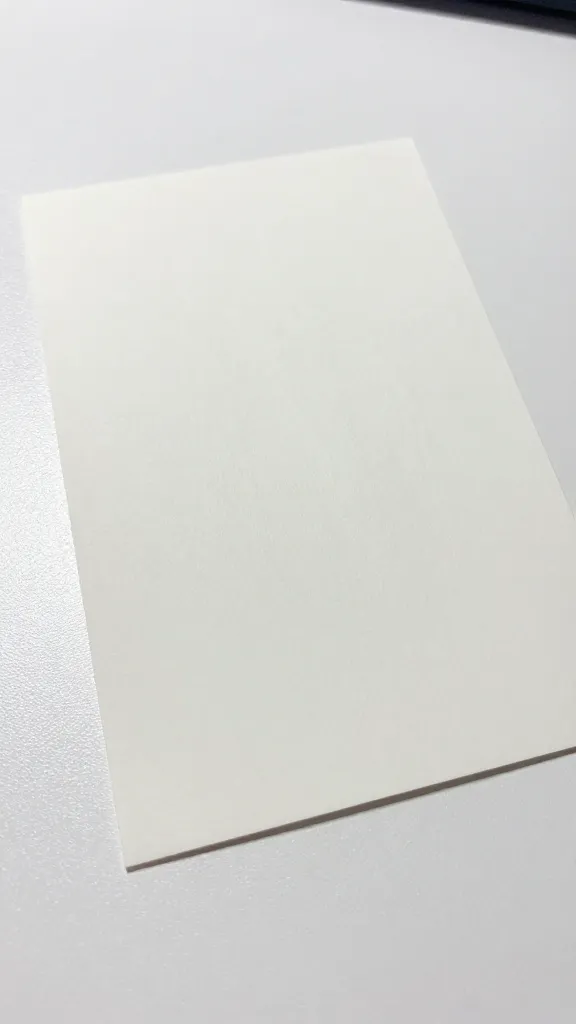
Cardstock typically ranges from 65 lb to 110 lb (or about 180–300 gsm). It’s rigid, resists bending, and can stand up to folds and tabs without crumpling. Construction paper sits around 60–80 lb, but feels lighter because it’s made to be a little more fibrous and forgiving.
– When you need a card that stands on its own or a sturdy brochure, go cardstock.
– When you’re making a collage, puppets, or a quick banner, construction paper shines.
Subtle but real: finish matters
– Cardstock often has a smoother surface, which makes it great for markers, pens, and printed designs.
– Construction paper sometimes has a visible texture that can catch ink or paint in unpredictable ways.
Texture and Surface: How it takes color and glue
If you’ve ever tried to doodle on construction paper with a gel pen, you know what I mean by texture drama. Construction paper tends to have a toothy surface that grabs pencils and crayons. Cardstock offers a sleek surface that takes markers without feathering and cleans up easier with a damp cloth.
– Markers: Cardstock delivers crisp lines; construction paper can smear if you’re not careful.
– Paint: Cardstock handles acrylics and watercolors better; construction paper might warp or pill with wet media.
Pro trick: sealing and finishing
FYI, you can seal cardstock with a light spray varnish for projects that need longevity. Construction paper doesn’t love moisture, so avoid heavy sealing unless you’re going for a tissue-paper vibe under a matte finish.
Cutting and Scoring: How clean is your edge?
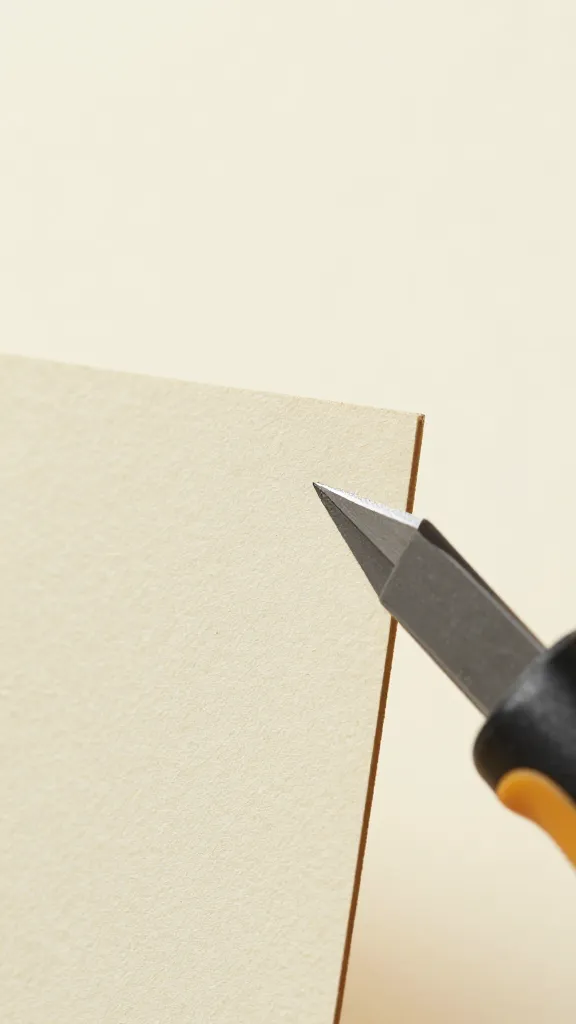
Cardstock behaves like a tiny piece of cardboard. A sharp blade or heavy-duty scissors slices through it with minimal tearing. Scoring is smooth, and you can fold with confidence, knowing the crease will stay put.
Construction paper tears a bit easier and isn’t as forgiving on intricate cuts. It’s still totally doable for banners, puppets, and simple shapes, but expect a few wobbly edges if you push it.
– Tip: Use a metal ruler and a sharp blade for cardstock to keep lines precise.
– Tip: For construction paper, a good pair of craft scissors yields nicer curves and less fraying.
Color Options and Accessibility: What’s the vibe?
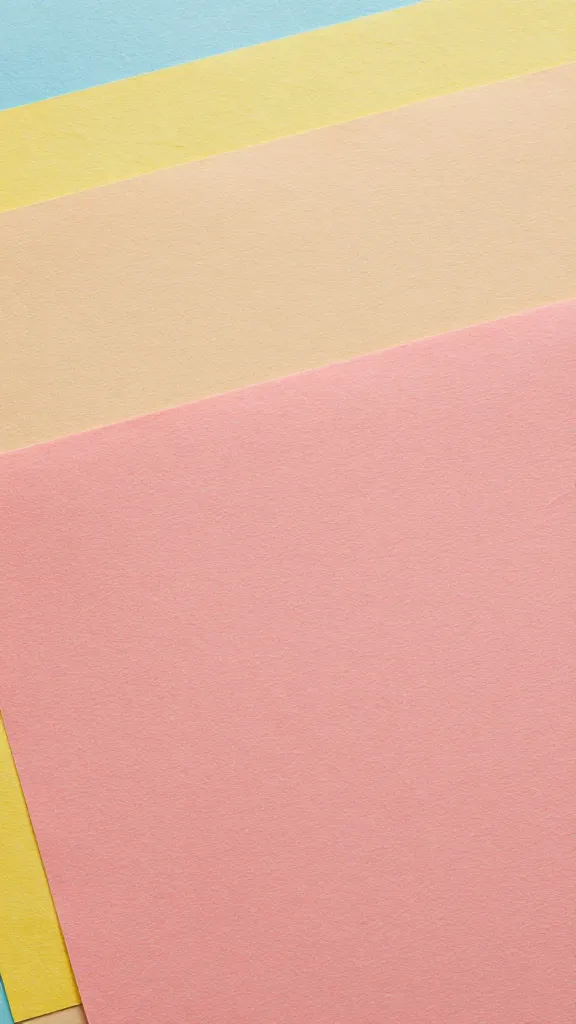
Construction paper wins hands-down on color variety and availability. You’ll find bold brights, pastels, metallics, and even neon options in most craft stores. Cardstock also comes in color, but the palette tends to skew a little more “professional” or “photo-friendly.”
– If you’re making a kids’ collage or a party banner, construction paper’s color punch is the mood.
– If you’re making a business card, greeting card, or a card for display, cardstock’s color fidelity and finish look sharper.
Paper grades and brands
– Cardstock: Look for “120 lb cover” for sturdy cards, or “80–110 lb” for a balance of weight and foldability.
– Construction paper: Check the pack for a “thick” or “premium” label if you want less curling.
Cost and Availability: Budget-friendly vs show-stopping
Construction paper is usually cheaper and easier to find in big packs. It’s the go-to for classrooms, hobbyists, and kid crafts. Cardstock costs more per sheet, but you get a sturdier, longer-lasting result that can double as a mini poster, a card base, or a frame-friendly panel.
– Budget projects: Construction paper, no doubt.
– Projects that need rigidity and a polished finish: Cardstock, absolutely.
Project Ideas: What I’d actually make with each
– Cardstock: Greeting cards, gift tags, printable signs, mini book covers, DIY bookmarks, sturdy postcards.
– Construction paper: Kids’ collages, paper masks, banners, cheap party decor, playful garlands, basic puppets.
Deeper dive: when to combine (yes, it’s allowed)
Sometimes the best solution blends both. Use construction paper for colorful layers and cardstock for bases or structural elements. A simple trick: glue a sheet of cardstock behind a construction paper cutout to stiffen it without changing the color of the front.
Care and Storage: Keep your colors true
Cardstock stores more cleanly; it’s less prone to curling when kept flat and dry. Construction paper can curl or warp if it gets humid or gets pressed under heavy items.
– Store flat in a dry place.
– Use a binder or folder for cardstock-heavy projects to keep edges crisp.
– If you notice curling on construction paper, a light ironing (with a cloth between iron and paper) can flatten things out, though lamination is overkill for most DIY crafts.
Bottom line: Which one should you reach for?
If you want a project that lasts, feels premium, and can stand up to framing or mailing, reach for cardstock. If you’re chasing color, speed, and budget, construction paper is your best friend. And if you’re like me and enjoy experimenting, mix and match—you’ll surprise yourself with the results.
Conclusion
Cardstock and construction paper aren’t enemies; they’re teammates in a crafty lineup. Choose based on weight, surface, color, and how you’ll display or use the finished piece. And if you’re ever unsure, start with construction paper for a rough cut, then upgrade to cardstock for a final, sturdy version. FYI, your future self will thank you for it.
FAQ
Is cardstock better for cards than construction paper?
Cardstock is generally better for cards because it’s stiff, durable, and looks polished. It holds its shape when folded and resists crumpling, which matters for greeting cards that you’ll mail or gift.
Can I mix cardstock and construction paper in the same project?
Absolutely. Use construction paper for colorful layers and cardstock for the base or structural elements. It creates depth and keeps edges clean while staying budget-conscious.
What about glue and adhesion—does one stick better to the other?
Cardstock holds glue well, especially with a white school glue or a glue stick that’s not too runny. Construction paper can be a bit more temperamental with wet glue, but a thin bead or glue stick works fine. Let it dry fully to avoid warping.
Are there DIY limitations with construction paper on rainy days?
If moisture hits construction paper, it can warp or puff up. Cardstock handles a bit more moisture, but neither is ideal for soaking-wet projects. If you must craft in damp environments, seal or varnish lightly after the project dries, or stick to dry media.
What about printing on cardstock vs construction paper?
Printing on cardstock usually yields crisper results, especially with inkjet printers. Construction paper can cause ink to feather or misalign due to its texture. For sharp text and images, go cardstock. For quick, colorful visuals, construction paper still works.